Medical Cannabis Gets Its Federal Papers






LOS ANGELES – On October 30, the U.S. Department of Justice announced the DEA had issued federal registrations to more than 900 state-licensed medical Cannabis dispensaries across seven states: Alabama, Florida, Mississippi, South Dakota, Texas, Virginia, and West Virginia. It was the first phase of implementing Attorney General Todd Blanche’s April order, which reclassified qualifying state-licensed medical Cannabis from Schedule I to Schedule III under the Controlled Substances Act – an action that itself followed a December 2025 Executive Order from President Donald Trump directing federal agencies to expedite the rescheduling process.
For businesses that applied during the initial 60-day window, the approvals represent the first major tangible federal benefit for medical Cannabis operators since rescheduling.
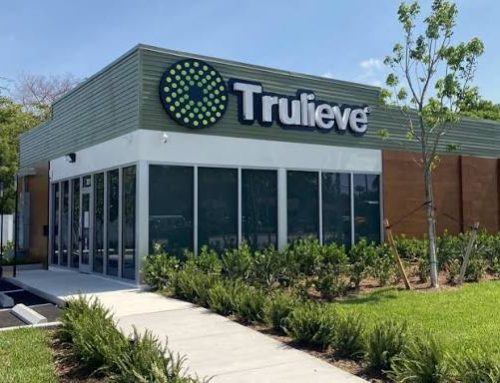
Trulieve Cannabis Corp. was among the first to confirm on November 2 that it had received DEA registrations for its medical Cannabis dispensaries. The company had reorganized to become a medical-only operator ahead of its New York Stock Exchange uplisting in June and submitted its applications shortly after the federal scheduling change was announced. CEO Kim Rivers said the reclassification opens the door to clinical research and delivers “a level playing field for responsible operators.” Trulieve also confirmed that the Schedule III change removed the federal 280E tax burden from its medical Cannabis operations – a provision that had cost the Cannabis sector hundreds of millions in excess taxes annually.
Vireo Growth Inc. announced on the same day that all 41 of its state-licensed medical Cannabis dispensaries in Florida had received federal DEA registrations. Florida gained a substantial majority of the first federal dispensary registrations. CEO John Mazarakis called it “an important regulatory milestone” and said the company welcomes continued progress toward a stable federal framework.
Jushi Holdings Inc. followed on November 3, confirming DEA registrations for certain of its state-licensed medical Cannabis operations. The Boca Raton-based MSO had previously announced the submission of its applications on May 28, 2026. CEO Jim Cacioppo called the registrations “an important step toward greater alignment between state and federal regulation.”
What Hasn’t Changed
A DEA list published October 30 shows 6,983 applicant locations that applied on time, including more than 4,000 dispensaries, more than 2,000 manufacturers, and about 700 distributors. Applications from manufacturers and distributors remain under active review. Recreational Cannabis and activities outside the federal order remain subject to Schedule I controls, and operators with significant adult-use market exposure face an added layer of regulatory uncertainty as a result.
The elimination of 280E from qualifying medical operations is a structural shift. For operators who built or converted to medical-only models, the tax math is already different, and those savings will show up in margins long before they show up in headlines. The larger question for the industry is what comes next. How quickly the DEA works through its remaining manufacturer and distributor applications, how courts and Congress respond to a framework being written in stages, and whether the registration process eventually reaches operators in states with adult-use markets.
The first approvals are in.
The full scope of this reform is still being written.
About the Author: HCN News Team

Related Posts