PROFILE: Jonathan Jacobsen: Building The Export Bridge To Europe







LOS ANGELES – Many cannabis businesses were created to grow more cannabis Jonathan Jacobsen is pursuing a more complicated objective: building the regulated infrastructure required to move medical cannabis between countries.
After acquiring High Ground Medica, Jacobsen took the helm with a plan to develop the Canadian company into an international medical cannabis platform connecting North American production with pharmaceutical demand in Germany and the broader European market.
It is a strategy that requires far more than cultivation. It involves regulatory approvals, international quality standards, processing, testing, importation, distribution, insurance, working capital and the careful coordination of multiple licensed organizations. That complexity is precisely where Jacobsen sees the opportunity.
Looking Beyond the Canadian Market
High Ground Medica operates from Alberta, where its facility near Oyen anchors the company’s Canadian processing operations.
Jacobsen’s focus, however, extends far beyond Alberta.
His strategy is based on a fundamental imbalance in the international market. Canada has developed an extensive regulated cultivation sector, creating significant production capacity and competitive wholesale pricing. Germany, meanwhile, has rapidly growing demand for medical cannabis but remains overwhelmingly dependent on foreign suppliers.
Germany imported 201,094 kilograms of medical cannabis in 2025, compared with approximately 72,850 kilograms in 2024. Canada supplied 93,006 kilograms, making it the country’s largest international supplier.
For Jacobsen, the opportunity is not simply to sell Canadian cannabis abroad. It is to construct a dependable system through which products can repeatedly move from approved producers to European customers.
Building Infrastructure Instead of Chasing Hype
Jacobsen’s approach reflects a practical view of where lasting value can be created in cannabis.
High Ground Medica does not need to own every cultivation facility supplying its system. Its model is designed to source suitable products from multiple approved Canadian cultivators and process them within a consistent quality framework.
That creates flexibility. Instead of depending on the output of one farm, HGM can identify the genetics, specifications and suppliers that best match European demand.
The company’s proposed GMP II Satellite Solution is central to that thinking.
Traditional exporters may need to qualify a cultivator’s existing drying operation or transport freshly harvested cannabis to a separate GMP facility. Both alternatives can create additional costs and risks, including microbial contamination, inconsistent moisture levels, transportation delays and deterioration in product quality.
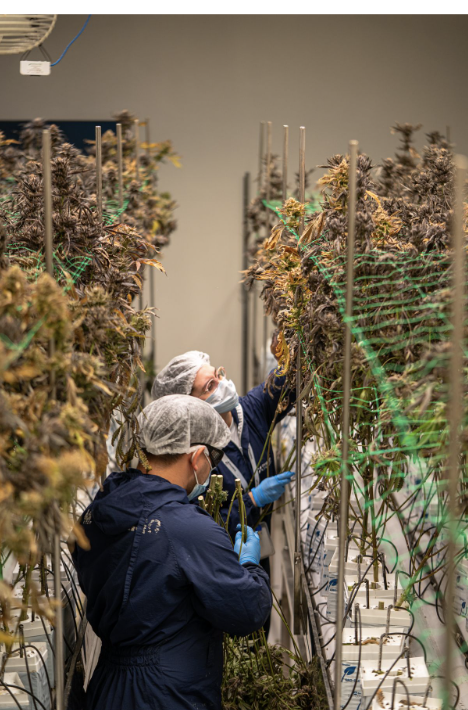
Jacobsen’s proposed model would place a satellite GMP II operation at an approved GACP cultivation site. Cannabis could be dried and stabilized within HGM’s quality system before being transported to a European GMP I facility for final processing, testing and packaging.
It is an infrastructure-led solution to an infrastructure problem.
SUPPORTING ILLUSTRATION
Acquiring a Platform With International Potential
High Ground Medica had been pursuing the European opportunity before Jacobsen acquired the business.
A 2021 company presentation identified Germany as a core market and described plans to connect HGM’s 133,000-square-foot Alberta facility with European processing and pharmaceutical distribution. Its stated approach was to secure demand before expanding production capacity—an important distinction in an industry repeatedly hurt by overbuilding.
Jacobsen did not create that original platform, but he recognized its potential and acquired it.
Under his leadership, the company’s direction has become increasingly focused on international processing, financing and distribution. HGM says it maintains an active commercial relationship with Germany and is also advancing opportunities in the United Kingdom.
Health Canada lists High Ground Medica among federally licensed cannabis companies in Alberta, with authorization covering medical sales, processing and cultivation.
Jacobsen’s task is to turn those assets, licenses and relationships into a commercially repeatable international business.
Connecting Canada With Europe
HGM’s relationship with California’s Medical is an important component of Jacobsen’s European strategy.
The partnership is intended to combine HGM’s Canadian sourcing and processing capabilities with California’s Medical’s European importation and distribution infrastructure.
Subject to final regulatory approvals and shipment-specific permits, the objective is to create an established route from approved Canadian producers to customers in Germany and the broader European market.
The company expects to purchase qualifying Canadian medical cannabis for approximately CAD $1.35 per gram and sell it in Europe for approximately CAD $3.75 per gram following the required processing.
That creates a potential gross spread of CAD $2.40 per gram before the substantial costs associated with processing, testing, packaging, freight, insurance, compliance and financing.
Jacobsen’s challenge is to preserve enough of that spread to build a profitable business while satisfying the strict requirements of international pharmaceutical trade.
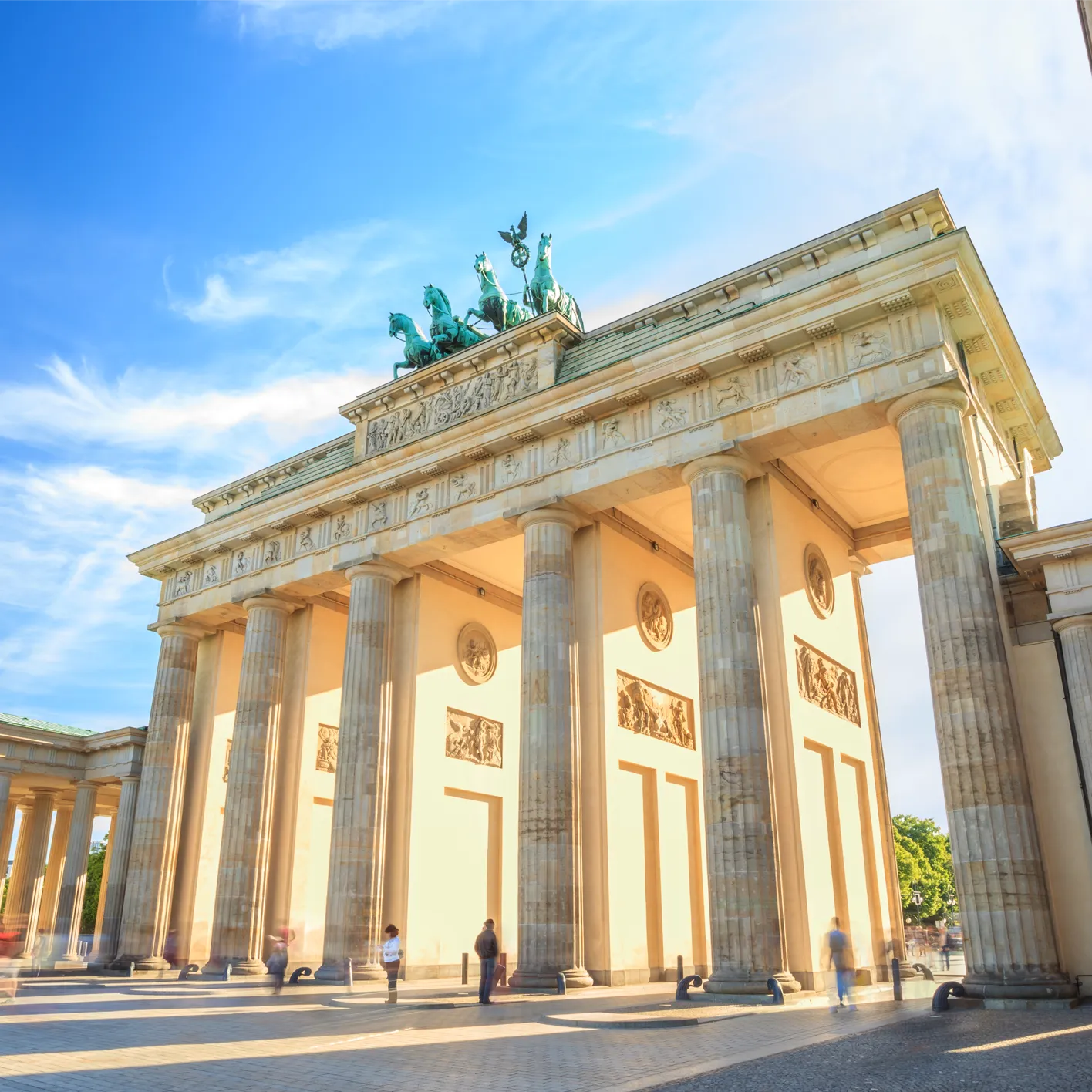
The Brandenburg Gate is one of Berlin’s most renowned landmarks.
Turning the Vision Into a Financeable Business
The next challenge is financial.
International cannabis shipments require significant working capital. Product must be purchased, processed, tested, packaged, insured and transported before payment is collected from the customer.
HGM is therefore seeking a CAD $25 million senior secured revolving credit facility. Rather than funding general corporate expenditure, each advance would be connected to a specific approved shipment.
The proposed structure includes annual interest of 15% on drawn capital and an initial term ending December 31, 2027. The first six shipments would each be limited to CAD $2 million, allowing the lender to evaluate performance before deploying more of the facility.
Funds would be paid through controlled escrow to approved suppliers. Payments from European customers would enter a lender-controlled account and be applied first to fees, interest and principal.
The structure says something important about Jacobsen’s strategy: he is attempting to convert HGM’s international vision into a series of controlled and measurable transactions.
Each shipment must stand on its own operational and financial merits.
The first six shipments would allow a lender to evaluate regulatory compliance, product quality, logistics, customer acceptance, margins and collection performance before approving larger transactions.
SUPPORTING ILLUSTRATION
A Broader North American Vision
Although Canada-to-Europe trade is HGM’s immediate focus, Jacobsen is also looking toward the United States.
The company is establishing a U.S. venture that could eventually allow qualifying American medical cannabis to enter international markets. Such exports would require the necessary DEA registrations, federal authorizations and individual shipment permits.
The U.S. program remains separate from HGM’s initial Canadian plan, but it demonstrates the scale of Jacobsen’s ambition.
He is not building a business around one crop, one facility or one bilateral trade route. He is working toward a regulated North American platform capable of supplying international medical markets.

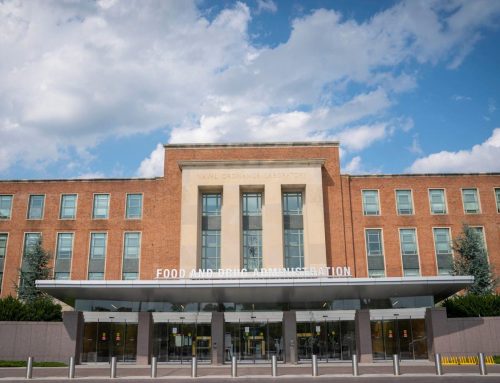
DEA: The US Drug Enforcement Administration
Leading HGM Into Its Next Phase
Building an international medical cannabis company demands patience.
Every part of the business—from licensing and quality assurance to financing and distribution—depends on rules that differ across borders and continue to evolve. Progress is measured not only by revenue but also by certifications, inspections, approved suppliers, import permits and successfully completed shipments.
Jacobsen has chosen one of the more difficult paths available in cannabis. But difficult markets can create the strongest barriers to entry.
High Ground Medica’s success is not guaranteed. Its EU-GMP program remains subject to completion, future shipments will require individual regulatory approvals and its proposed financing remains subject to due diligence and final documentation.
Yet the commercial thesis behind the company is increasingly difficult to ignore.
Germany’s medical cannabis imports have expanded dramatically. Canada is its leading supplier. European patients require consistent, compliant products, while Canadian producers need more efficient routes into international markets.
Jonathan Jacobsen is leading High Ground Medica at the point where those needs meet.
His vision is not merely to export cannabis. It is to build the regulated system that makes international cannabis commerce possible.
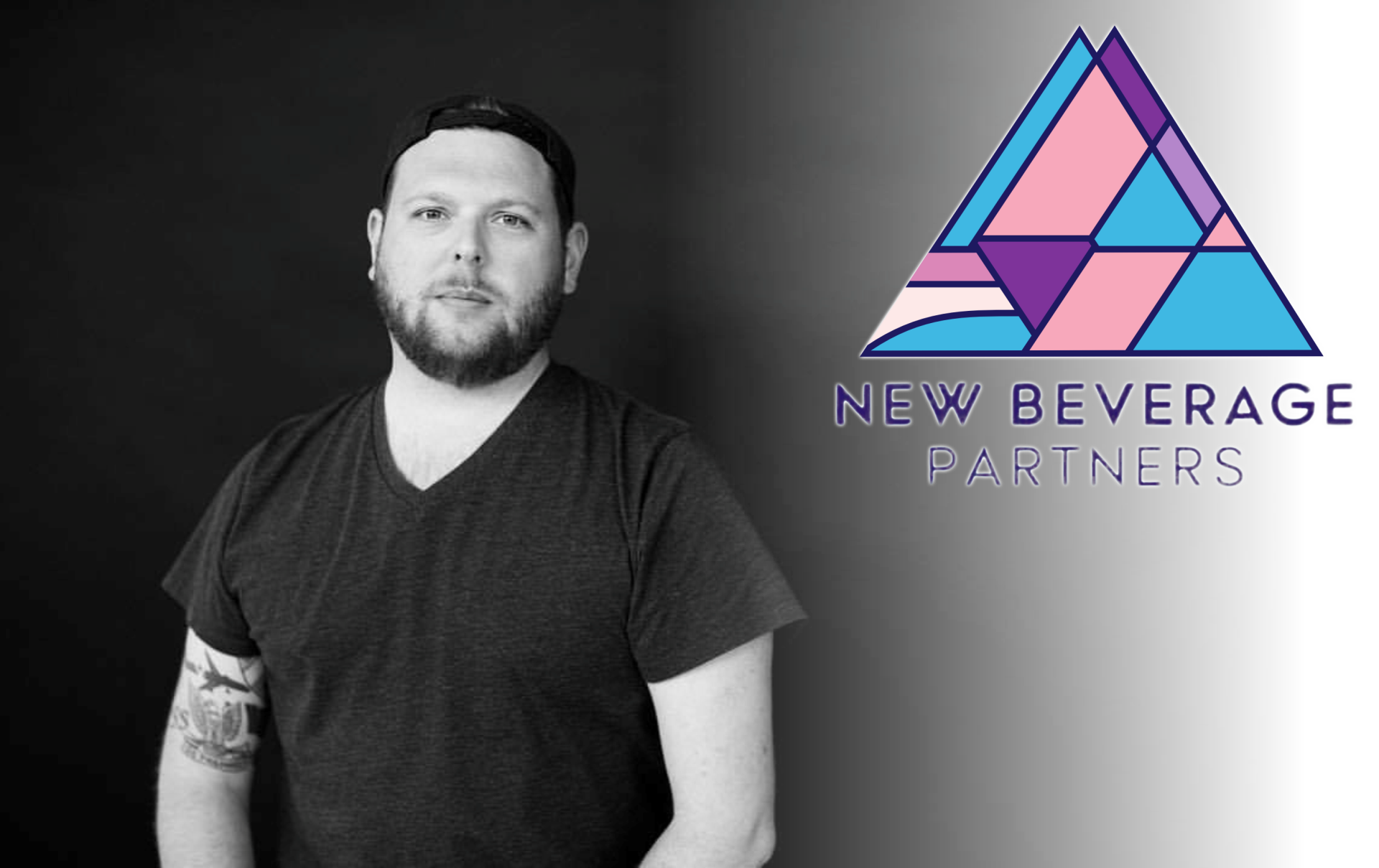
MAIN IMAGE: JONATHAN JACOBSEN: CEO: HIGH GROUND MEDICA.
HCN thanks author Jason Hart of Archer Loch Capital, specializing in stock-backed and asset-backed financing. Contact: https://www.linkedin.com/in/jason-hart-716a977 | [email protected] | +1 954-594-2155 | https://archerlochcapital.com/. Disclosure: HGM is an HCN client. © 2026 Highly Capitalized Network. All rights reserved. Republication: contact HCN. This article is provided for general informational purposes only. It does not constitute an offer to sell or a solicitation of an offer to purchase any security or financial instrument. Company plans, projections and proposed financing terms are forward-looking, subject to change and dependent on financing, due diligence, regulatory approvals and definitive agreements. Sponsored content.
About the Author: HCN News Team

Related Posts