Mendocino County Sets Auction Dates for Tax Defaulted Cannabis Properties







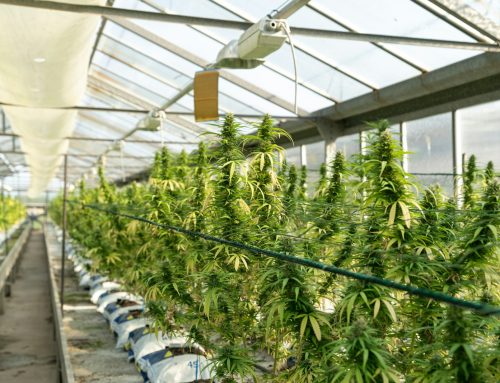
UKIAH – Mendocino County plans to auction more than a hundred tax defaulted properties next spring, and roughly half of those parcels are active or former Cannabis cultivation sites. Treasurer and Tax Collector Chamise Cubbison informed the Board of Supervisors that the public sale is scheduled to run from March 12 through March 16, 2027. Owners of the 107 targeted parcels collectively owe approximately $2.1 million in overdue real estate taxes, accrued interest, and penalties.
Cubbison noted that she will bring the formal sale authorization back before the board in December, when additional interest and administrative penalties will be added to the minimum opening bids. Since several delinquent landowners have proved difficult to contact, the Mendocino County Sheriff’s Office will assist tax officials in locating and notifying affected owners before the spring auction begins.
The planned sale marks the county’s first tax defaulted property auction since June 2019. According to notices posted on the Mendocino County website, pandemic disruptions, staffing shortages, and an administrative split separating the auditor and tax collector offices stalled regular property auctions for years.
That prolonged pause drew scrutiny from Sacramento. In a December 2025 audit, the California State Auditor found that owners of roughly 4,200 properties owed Mendocino County $30.6 million in delinquent taxes, penalties, and fees, urging local leaders to hold a sale by October 2026. County administrators missed that autumn target and subsequently notified state auditors that auctions would resume in March 2027. Parcels whose owners failed to pay arrears or enter payment plans by June 30 became legally eligible for sale on July 1.
The concentration of Cannabis sites on the auction roll reflects years of financial strain across California’s Emerald Triangle. Persistent wholesale price compression, steep compliance costs, and competition from unlicensed operators have forced numerous Mendocino growers to abandon permits or walk away from rural acreage. Earlier this year, county supervisors voted to write off uncollectable Cannabis business taxes from 2018 through 2024 for inactive cultivators and restructured future local cultivation levies, as outlined in the county’s 2026 Cannabis Tax Changes notice. Real estate property taxes, however, remain attached to the land itself.
The upcoming March auction underscores a deeper structural correction in legacy outdoor growing regions. Unlike corporate retail licenses or urban manufacturing hubs, rural cultivation parcels often carry heavy environmental remediation liabilities, unpermitted structures, or costly water compliance requirements that can exceed the underlying value of raw timberland.
Prospective buyers at tax default sales frequently discount such parcels heavily, meaning final bids may recover only a fraction of accumulated public debt while transferring distressed agricultural land to traditional buyers, conservation groups, or neighboring farmers. Rather than sparking a wave of discounted Cannabis expansion, the auction is more likely to accelerate the permanent conversion of former cultivation sites back into conventional rural land uses.
About the Author: HCN News Team

Related Posts