Clinical Trial: FDA-Approved CBD Formulation Reduces Post-Operative Opioid Consumption Following Knee Replacement Surgery







NEW YORK, NEW YORK — Patients given an FDA-approved CBD medication after knee replacement surgery used fewer opioids and reported less pain than patients given a placebo, according to a randomized, placebo-controlled pilot study published in The Journal of Pain.
Investigators affiliated with the Pain Prevention Research Center in New York studied 36 patients undergoing bilateral total knee arthroplasty. The trial, titled “Effects of cannabidiol oral solution in patients undergoing bilateral total knee arthroplasty: a randomized, controlled, parallel, triple blind, pilot study,” used Epidiolex, the plant-derived CBD prescription medicine approved by the US Food and Drug Administration.

Photo: Akram Huseyn / Unsplash
The 400 mg dose stood out
Patients received four doses of either 400 mg or 800 mg of Epidiolex, or a placebo. Outcomes were assessed at 72 hours.
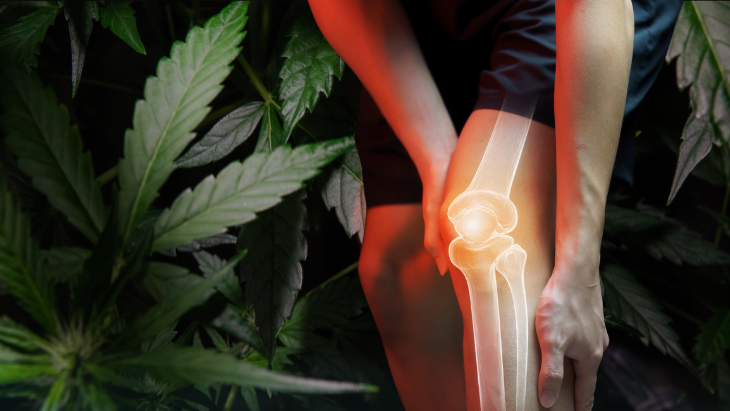
Image: NORML
“Patients receiving 400mg CBD had lower post-operative opioid consumption, reduced pain scores at rest and with movement, and fewer rescue analgesic interventions,” the researchers reported. Patients in the 400 mg group also reported better sleep quality.
The higher dose did not perform better. Patients receiving 800 mg did not show the same opioid-sparing effects.
Early but meaningful
The authors said their findings “provide preliminary support for a potential therapeutic signal at moderate CBD doses.” As a pilot study with a small sample, it points toward larger trials rather than settled practice.
Still, reducing opioid use after surgery is a major goal for hospitals and payers, and a signal from an already-approved cannabinoid medicine is the kind of result that draws attention from both the pharmaceutical sector and the broader cannabis market.
Source: NORML (norml.org), “Clinical Trial: FDA-Approved CBD Formulation Reduces Post-Operative Opioid Consumption Following Knee Replacement Surgery,” originally published November 19, 2026. Used with permission.
About the Author: HCN News Team

Related Posts