Helus Pharma Reports Positive Phase 3 Results for Novel Therapy in MDD
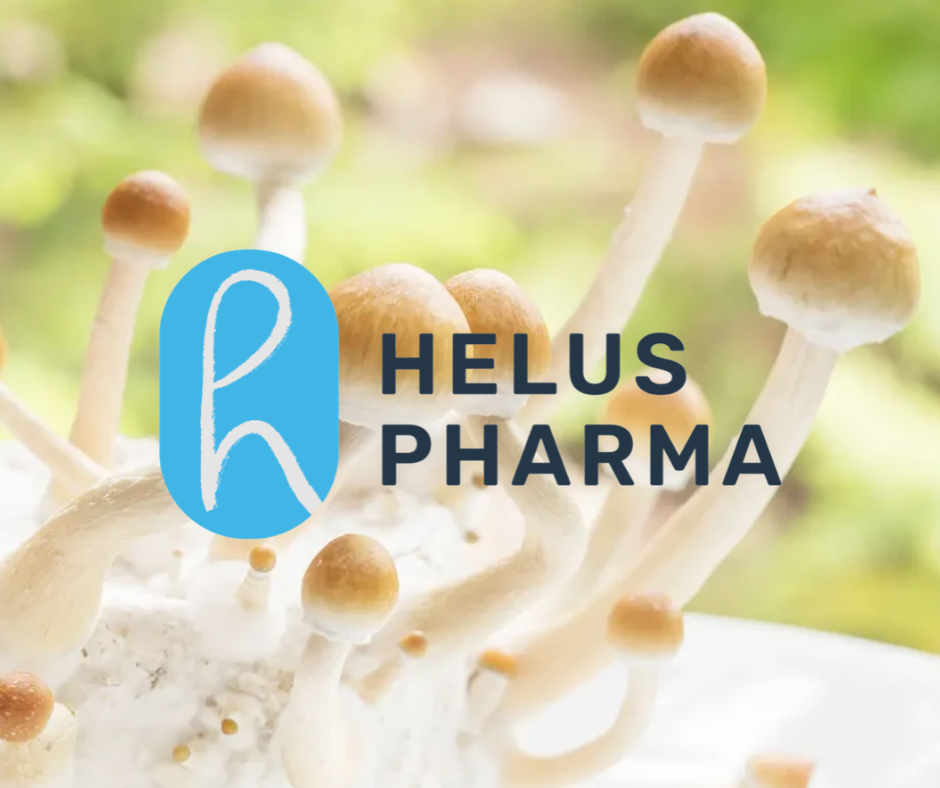





NEW YORK – Helus Pharma Inc. announced positive topline findings from a late-stage clinical APPROACH study of HLP003, an experimental oral therapy for adults living with major depressive disorder (MDD). The compound is a deuterated form of psilocin, the active molecule derived from psilocybin mushrooms, engineered to activate serotonin pathways in the brain.
The randomized, double-blind trial enrolled 222 adults diagnosed with moderate to severe depression. Participants received either a 16-milligram oral dose of HLP003 or an inactive placebo on the opening day of treatment and again three weeks later. At the primary assessment mark of six weeks, patients receiving HLP003 recorded an average reduction of 19.5 points on the Montgomery Asberg Depression Rating Scale, compared with an 11.9-point drop in the placebo group. That 7.6-point margin achieved statistical significance with a p value less than 0.0001.
Clinical researchers noted that symptom relief appeared quickly and lasted across the observation window. Measurable separation from placebo emerged on the second day after the initial dose, when 39.3% of treated participants reached clinical remission compared with 15.5% on placebo. By week 6, remission rates climbed to 50.9% for the active drug versus 18.2% for placebo, and a 7.0-point overall symptom advantage held steady through week 12.
The safety findings presented a more nuanced picture for regulators and… Wall Street. While most side effects were mild to moderate and resolved on the day of dosing, Helus disclosed three serious adverse events linked to treatment in the HLP003 arm and none in the placebo group. Those cases prompted a fall in Helus shares following the release. Company executives also scheduled a clinical perspectives discussion for December 2 to review the data with psychiatric specialists.
Helus plans to complete a second confirmatory EMBRACE study in Q4 2027 before seeking approval from the FDA in 2028. For observers who have tracked the commercialization of psychedelic medicine over the past decade, strong early efficacy data represents only the opening chapter.
Turning a scheduled psychoactive compound into a viable medicine requires navigating strict federal dispensing rules, training certified clinics for supervised dosing, and persuading insurers to cover high operational costs. Until regulators review the full safety package and confirm results across larger patient populations, commercial adoption will remain a measured, step by step climb rather than an overnight transformation.
About the Author: HCN News Team

Related Posts