New Mexico Pushes to Open Medical Psilocybin Program
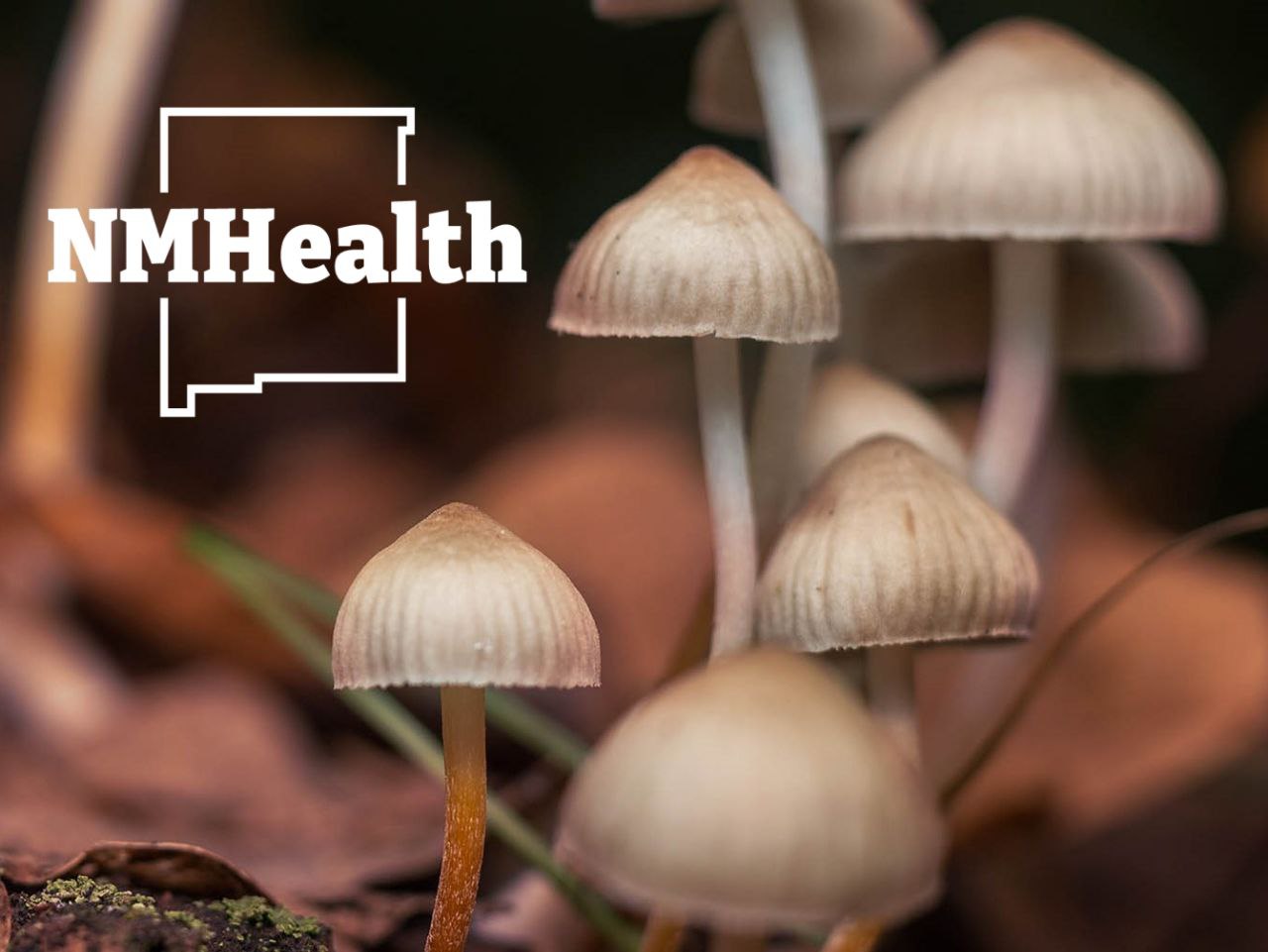






SANTA FE – When Governor Michelle Lujan Grisham signed Senate Bill 219 into law in April 2025, New Mexico became the third U.S. state to authorize medical psilocybin, with a statutory deadline of December 31, 2027, to have the program fully operational. Eighteen months later, state officials are targeting first patient treatments by December 2026, a full year ahead of schedule.
Unlike Oregon and Colorado, which built their psilocybin programs through ballot initiatives, New Mexico passed its law through the legislature. A first among U.S. states. The program operates under a strict medical model. Psilocybin may only be administered by licensed New Mexico healthcare providers in approved clinical settings. Dispensary-style access is not part of the design.
The New Mexico Department of Health oversees the program through its Center for Medical Cannabis and Psilocybin. The Medical Psilocybin Advisory Board, which held its inaugural meeting in December 2025, has convened throughout 2026 on dosage standards, clinical practice, training requirements, equity, and end-of-life care.
In August, the department opened producer permit applications, requiring all psilocybin to be cultivated and tested entirely within state lines. The state’s first producer permit has since been issued to Sacred Alto Spores, marking another firm step toward operationalization.
The most recent flashpoint came on October 2, when the DOH held a public hearing in Santa Fe on proposed rule 7.35.3 NMAC – the regulation that would set enrollment standards for patients and operating standards for clinicians, practitioners, facilitators, and healing centers.
Four provisions drew notable pushback. Critics challenged a requirement that patients obtain a prescriber’s signature and a recent in-person exam before qualifying, arguing it exceeds what the statute requires. A landlord consent clause, mandating written property-owner permission for in-home patient care, drew particularly strong opposition, including from Sen. Jeff Steinborn (D), the bill’s primary sponsor: “I am totally opposed to the landlord sign-off for homebound patients.” Advocates also challenged a proposed 30-day state review window for patient applications and staffing ratios requiring two staff per individual session, which critics say would double costs and undercut the savings of group therapy. As of mid-October, the rule remained proposed and unadopted.
On the funding side, the state has acted to broaden access. Governor Lujan Grisham signed a budget in March that included $630,000 for a Medical Psilocybin Treatment Equity Fund for low-income and rural patients, alongside $300,000 for University of New Mexico research on psilocybin’s potential in end-of-life anxiety care.
Qualifying conditions under the act include major treatment-resistant depression, PTSD, substance use disorders, and end-of-life care. The advisory board retains authority to recommend additional conditions over time.
Wrapping up, New Mexico’s program is emerging as the clearest regulatory blueprint for a legislatively enacted, clinician-led psychedelic therapy model in the country. The contested provisions at the October hearing (access gatekeeping, cost structures, and patient application timelines) are the fault lines separating genuinely equitable care from a program concentrated in well-resourced settings.
About the Author: HCN News Team

Related Posts