Democrats’ Historic Victory Could Accelerate Full Cannabis Legalization






WASHINGTON, D.C. –Democrats’ historic election victory could move Cannabis reform beyond medical rescheduling and put full federal legalization firmly back on the agenda.
Democrats won Congress and gained ground in state governments, strengthening the opportunity to move beyond medical rescheduling toward full federal legalization. For independent businesses, the opening could mean more customers, fairer taxes and a chance to compete beyond protected state markets. [1]
The election changes who writes the rules. Whether smaller operators benefit will depend on what those rules say.
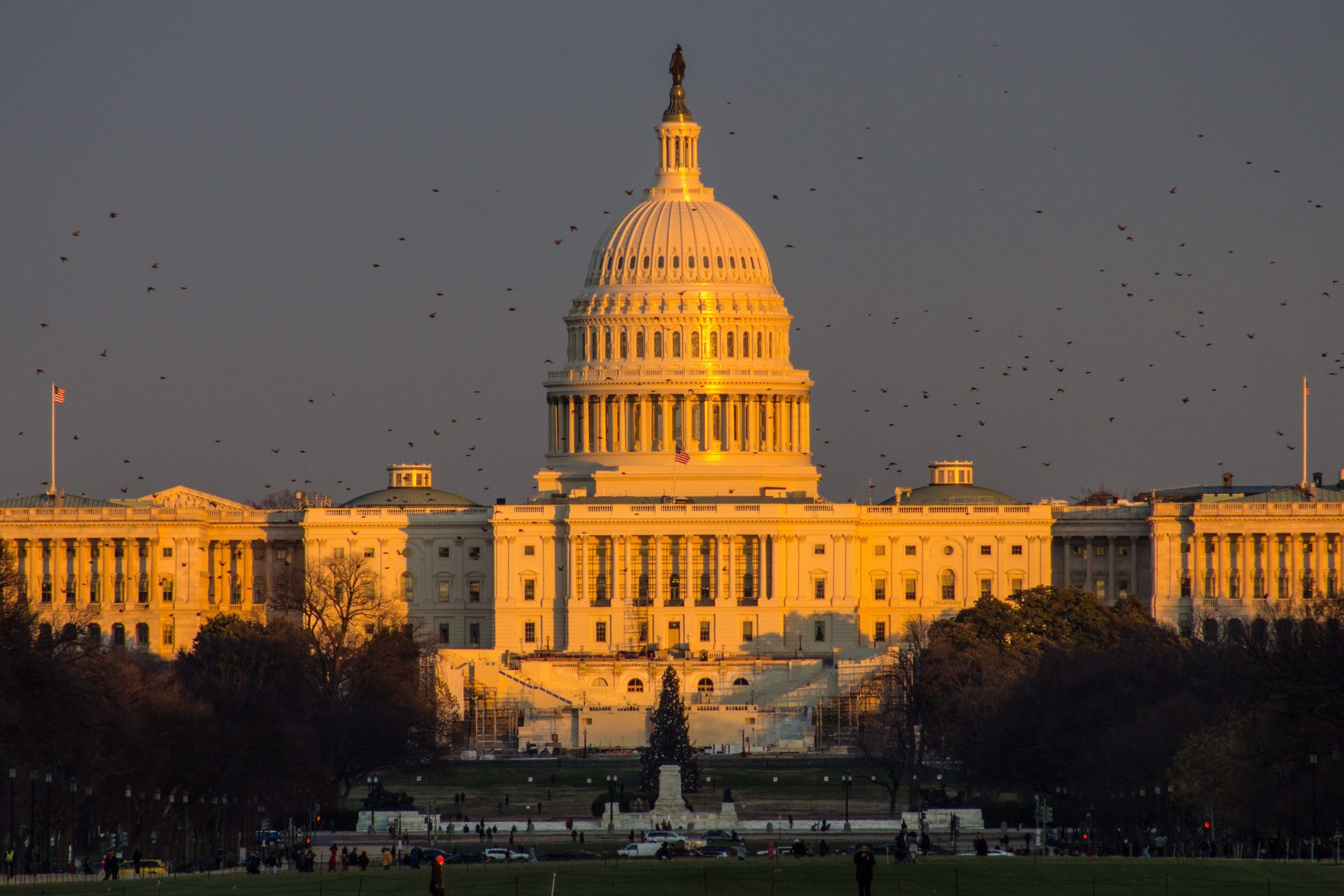
The U.S. Capitol in golden evening light. Federal Cannabis reform now depends on the next Congress.
Washington has new decision-makers
Democratic control changes committee chairs, hearing agendas and the path to floor votes. Committees negotiate bill language and amendments; party leaders decide which proposals receive scarce floor time. Relationships with Democratic lawmakers and staff therefore become more valuable. [2]
Democrats could pursue legislation covering adult-use sales, medical access, banking, taxation and expungement together. The Cannabis Administration and Opportunity Act provides an existing starting point for descheduling and criminal justice reform. A new Congress would need to take up legislation afresh. [3]
That could eventually replace parts of the current split between federally registered medical businesses and adult-use operators outside federal authorization. The election itself does not override the DEA’s existing requirements. [4]
Democratic majorities also do not guarantee passage. Most contested Senate legislation requires 60 votes to end debate. Both chambers must agree on the same text, and Trump must sign it unless Congress overrides a veto. Democrats previously controlled Congress without delivering legalization. [5]
The biggest state opportunities
Pennsylvania and Wisconsin deserve particular attention. Democrats have claimed control of Pennsylvania’s Senate while retaining the House and governor’s office; some races were still being counted. That would remove a major obstacle to Governor Josh Shapiro’s legalization agenda. Lawmakers must still settle taxes, licensing and private versus state-operated retail. [6]
Wisconsin’s preliminary results give Democrats both legislative chambers alongside the governor’s office, creating a clearer route to considering medical and adult-use legalization after years of blocked proposals. [7]
Iowa’s incoming governor, Rob Sand, supports legalization, linking it to revenue, jobs and farming. Republican legislative majorities mean he must negotiate rather than act alone. Ohio and Georgia also elected Democratic governors, changing the balance over appointments, vetoes and regulatory priorities without automatically changing Cannabis law. [8]
Michigan and Minnesota saw reported Democratic legislative gains within existing legal markets. North Carolina’s House shifted toward Democrats, while Arizona’s Senate remained unsettled in early reporting. Those changes could affect reform negotiations, but a party label alone does not establish a Cannabis policy outcome. [9]
Texas elected reform supporters James Talarico, Gina Hinojosa and Vikki Goodwin to the U.S. Senate, governor’s office and lieutenant governorship. Republican control of the state Senate remains a barrier. Massachusetts protected adult-use sales by rejecting Question 8. Idaho preserved citizen initiatives by rejecting HJR 4 without legalizing Cannabis. [10]
Federal legalization would not automatically erase state prohibitions, local retail bans or licensing limits. Congress would need to specify which restrictions it intended to override. State convictions would also require separate attention. [11]

The MSOs face a different political calculation
Trulieve was not alone in investing in Trump-linked political organizations. Reporting based on campaign-finance filings identifies $2.5 million each from Trulieve, Curaleaf, Verano and Green Thumb Industries’ subsidiary Vision Management Services to America First Agriculture Action. Ascend Wellness contributed $500,000. The committee shares a treasurer with Trump’s MAGA Inc. super PAC. [12]
Trulieve separately contributed $750,000 to Trump’s inaugural committee; Curaleaf contributed $250,000 through the U.S. Cannabis Council. Cresco Labs and other operators supported the industry-backed American Rights and Reform PAC, which contributed to MAGA Inc. Those are distinct transactions, not direct company donations to the same recipient. [12]
White House relationships retain value, but cannot substitute for Democratic support in Congress. Companies closely associated with Trump could face a disadvantage when asking Democrats to prioritize policies that protect established operators. Independent-business advocates could gain a stronger hearing.
Political donations do not establish that favorable treatment was promised. Nor does Democratic alignment guarantee success. The commercial issue is whether Congress opens competition or preserves advantages tied to scarce licenses.
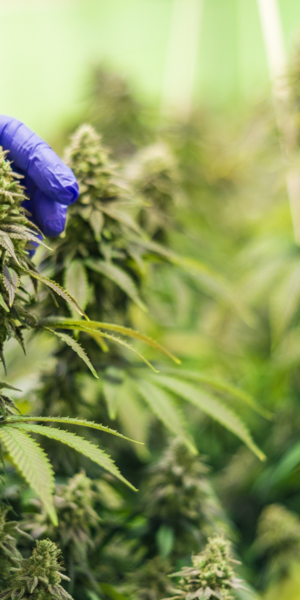
Hands tending a Cannabis plant. Independent growers and businesses have a stake in the next reform debate.
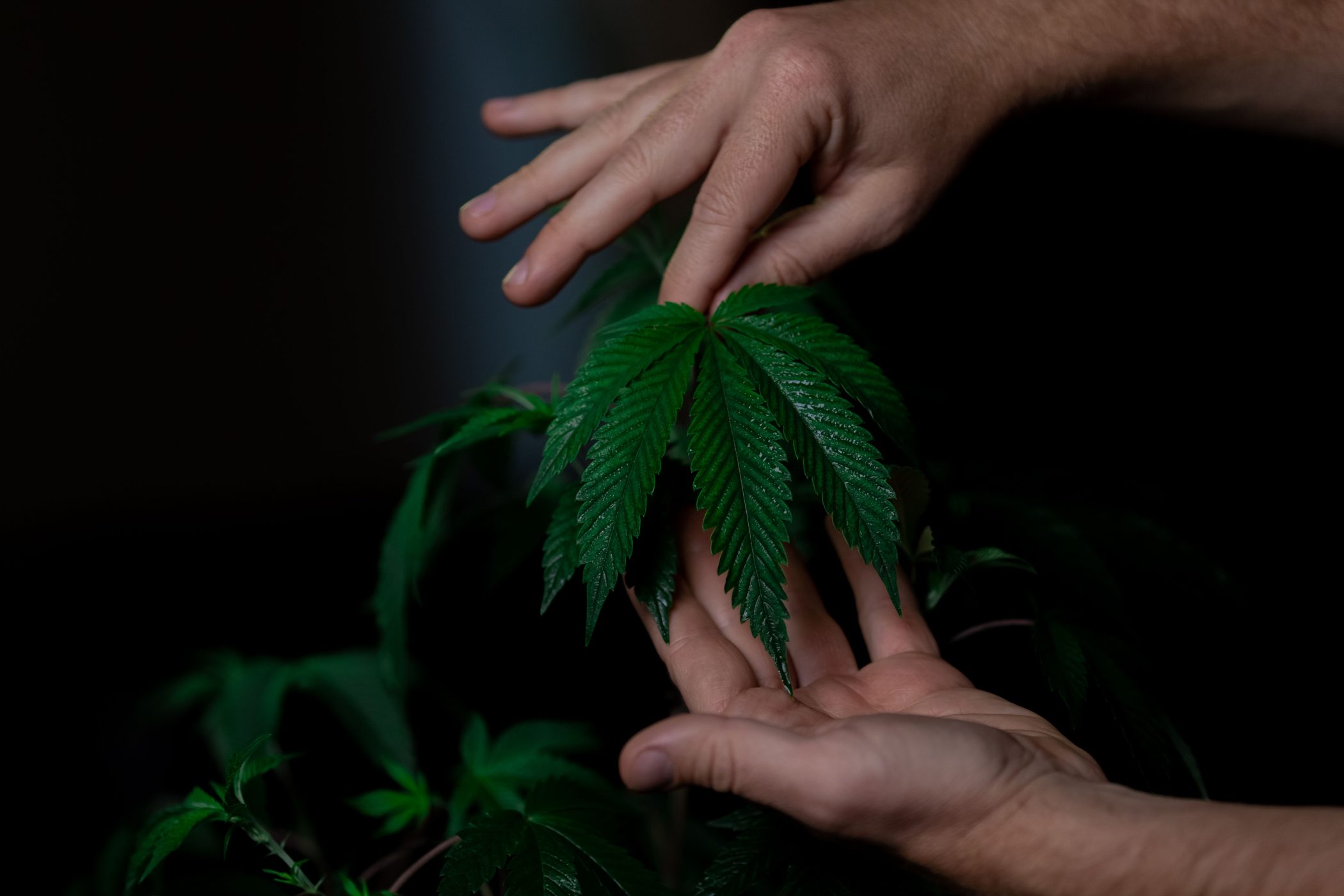
Photo: Kindel Media / Pexels. Illustrative file photograph; Pexels License.
Taxes, banking and interstate trade could decide who survives
Section 280E denies deductions and credits for businesses trafficking in Schedule I or II substances. Treasury has said medical rescheduling generally removes that barrier for activities no longer involving those schedules, with allocation questions for mixed businesses. Broader reform could extend relief beyond qualifying medical activities. [13]
Small operators could gain cash to retain staff and pay suppliers. MSOs would benefit too. Excessive new federal taxes layered over state charges could consume those savings.
Banking legislation could reduce legal barriers to accounts, lending and payments, although banks would still make their own credit decisions. Reform should also address access to bankruptcy protection. [14]
Interstate trade could let independent growers and brands expand without building separate facilities in every state. California and other producing regions could compete through cost, expertise and reputation. Expensive facilities and protected state licenses could lose value, putting pressure on MSO margins.
Congress would need to address state participation, transportation and restrictions favoring local suppliers. Small businesses also need fair access to distributors and shelves; open borders alone would not prevent corporate concentration. [15]
A sunlit Cannabis greenhouse in Salinas, California. Interstate trade could give producers access to larger markets.
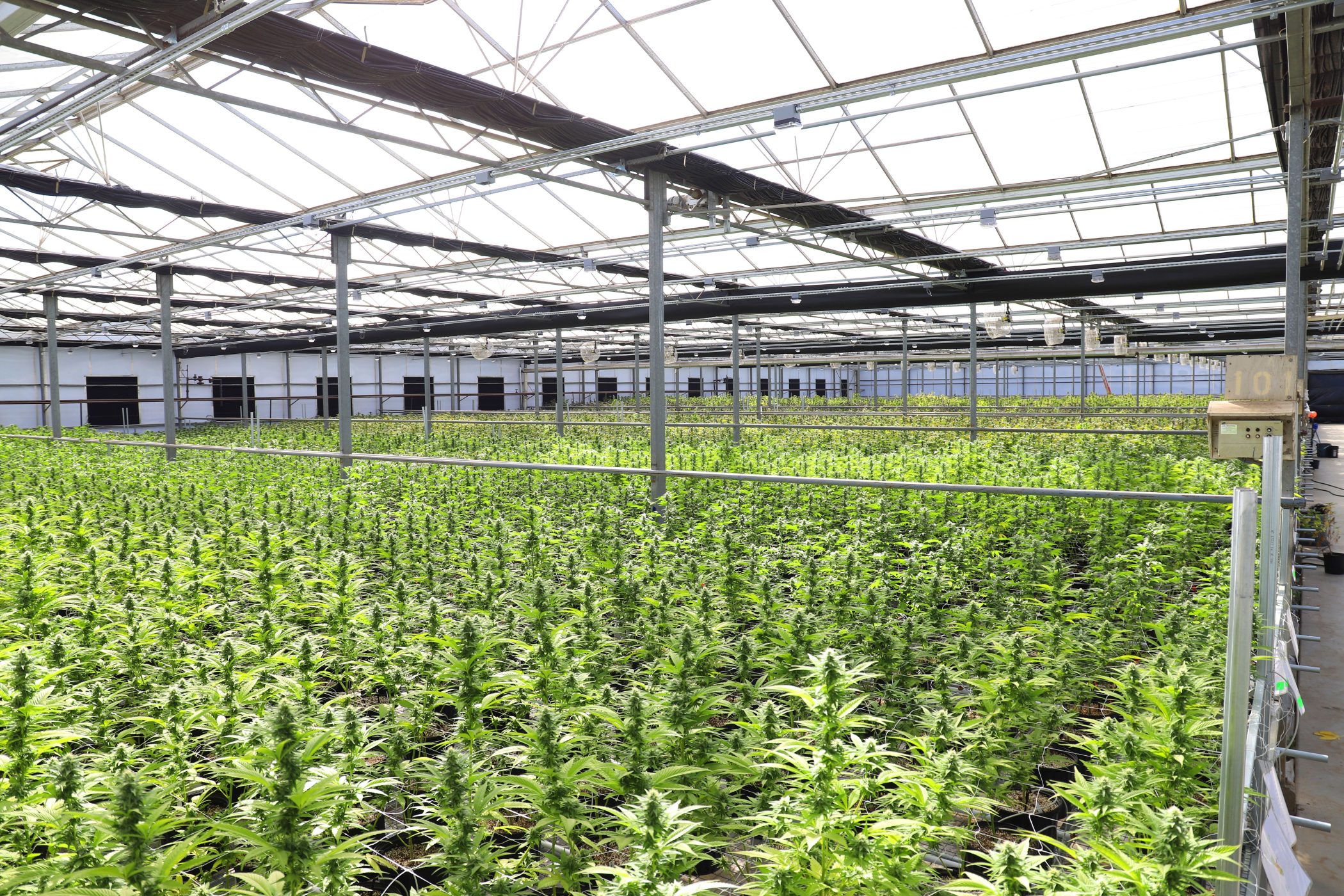
Photo: Cannafornia / Pexels. File photograph, 2018; Pexels License.
Hemp cannot wait until January
Most federal hemp-definition restrictions are scheduled for December 11, including the exclusion of final cannabinoid products above 0.4 milligrams of THC per container. Certain restrictions involving cannabinoids the plant cannot naturally produce take effect November 12. The incoming Congress takes office in January. [16]
Preventing those deadlines requires action beforehand. Democrats could later seek repeal or replacement rules covering testing, labeling, age limits and potency. Separate state restrictions would still matter.
Minnesota illustrates the problem: its regulator warns that products could remain lawful under state rules while becoming federally noncompliant, affecting banking, tax deductions and interstate sales. Farmers, beverage makers and retailers need a workable transition, not promises arriving after they close. [16]
Hemp growing outdoors in North Carolina. Farmers and small businesses need clear, workable federal rules.
Europe, better products and a fairer market
Federal reform could help American producers pursue European medical markets, but domestic legalization would not automatically authorize exports. U.S. permits, destination-country approvals and applicable pharmaceutical standards would remain central. Germany separately requires medical import licenses and shipment approvals. [17]
Consistent products, reliable documentation and competitive prices could give specialist producers opportunities against established international suppliers.
Larger lawful markets could also support low-dose drinks, measured edibles and more predictable delivery methods. Laboratories, packaging suppliers and equipment makers could benefit. Medical claims would still require appropriate evidence and compliance with FDA rules. [18]
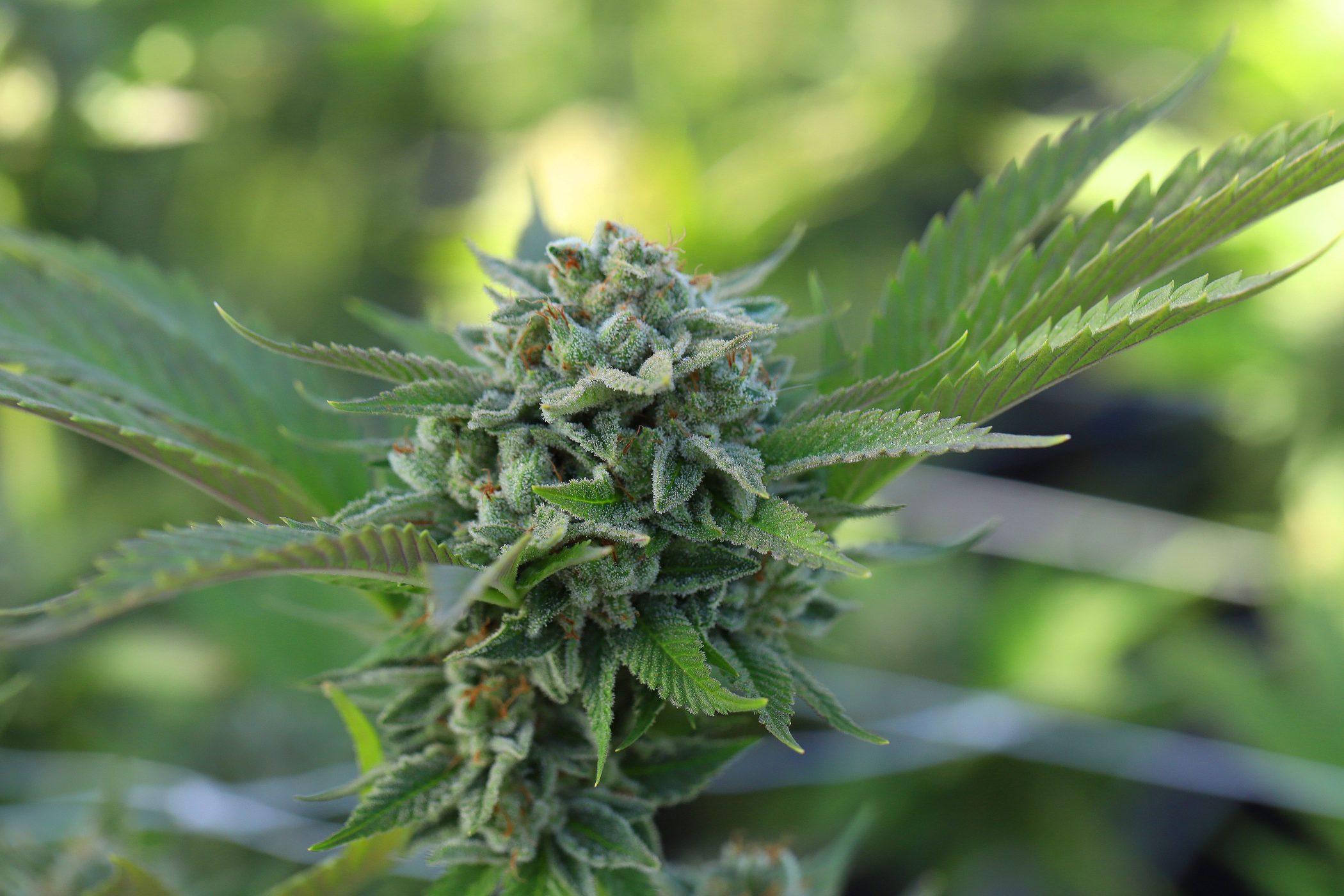
A living Cannabis flower in Salinas, California. Product quality and consistency remain central to the industry’s future.
Reform should preserve patient access, address past convictions and give existing businesses clear deadlines to adapt. Removing federal prohibition does not automatically erase earlier records. [14]
Democrats now have greater power to move the debate forward. The meaningful test is whether they lower barriers for independent businesses—and make quality, efficiency and customer trust more valuable than protected licenses and political access.
Sources and publication notes
Results reflect reporting available November 4, 2026. Unresolved races are identified as preliminary. Political and commercial effects are analysis, not enacted policy. Contribution amounts are attributed to published reporting on filings; the FEC committee summary is linked separately and is not a transaction-by-transaction reconciliation.
[1] Associated Press: national election results
[2] House committee process; Senate floor leadership
[2a] Senate majority and minority leaders
[3] Cannabis Administration and Opportunity Act, S. 5022
[4] Justice Department: medical dispensary registrations
[5] Senate voting and cloture requirements
[5a] Federal legalization prospects after the election
[6] Pennsylvania election results and legislative control
[6a] Pennsylvania legalization debate and retail proposals
[7] Wisconsin Public Radio: legislative results
[7a] Wisconsin Democrats’ legalization proposal
[8] Rob Sand’s Cannabis policy
[8a] Iowa Public Radio: divided government
[9] National Conference of State Legislatures: preliminary state results
[10a] Texas Cannabis policy candidate survey
[10b] Massachusetts Question 8 result
[10c] Idaho official preliminary results
[11] Federal statute preserving state-law authority
[11a] Congressional Research Service: federal and state authority
[12] Reported company contributions to America First Agriculture Action
[12a] Reported inaugural contributions
[12b] Reported industry PAC contributions
[12c] FEC: America First Agriculture Action filings and summary
[13] Treasury: medical rescheduling and Section 280E
[14] Congressional Research Service: federal law, bankruptcy and past convictions
[15] Congressional Research Service: Cannabis interstate commerce
[16] Minnesota regulator: federal hemp changes
[16a] Congressional Research Service: staggered hemp deadlines
[17] Federal Register: Cannabis import and export permits
[17a] Germany: medical Cannabis import and export law, section 12
About the Author: HCN News Team

Related Posts