The Renewal Ambush, and the Cannabis Operators Escaping It







Every year the renewal brings a higher number, a new exclusion (that is likely unknown until it is too late), or a carrier that walks away. Some cannabis companies have found a way to take the surprise out of it.
NEW YORK — For a cannabis CFO, renewal season has a familiar rhythm. The notice arrives a few weeks before the policy lapses. The premium has risen, or a new exclusion has appeared, or the carrier has decided it no longer wants the business. Even a capable broker can only shop a market with a handful of willing insurers. The company scrambles for quotes, signs what it can get, and rewrites the budget.
What makes the ritual maddening is that the operator’s own record barely matters. Cannabis premiums reflect the scarcity of carriers, their appetite in a given year, and the industry’s reputation, not one company’s claims. A dispensary chain can go years without a significant loss and still watch its premium climb because the market tightened.
For founders, the damage goes beyond one line item. An insurance cost that can jump without warning makes forecasts less reliable, and investors discount what they cannot predict.
A good broker can change that rhythm. The best ones start months before the renewal, present the operator’s own loss record instead of letting the industry’s reputation set the price, and bring options beyond the commercial market, including a captive that sits alongside the coverage they already place.
A price that follows the record
Operators that have escaped the cycle tend to share one decision: they stopped renting all of their insurance and began owning part of it, through a captive. An independent actuary sets their premiums based upon their own losses. Low claims can improve results, although capital needs, expenses, reinsurance and adverse loss development still affect costs.
Other industries show why owners seek this stability. A captive can make retained risk more visible and reduce dependence on annual commercial renewal decisions. It does not guarantee that premiums or total costs will remain unchanged as a business grows.
The model has staying power. Marsh’s 2026 benchmarking report describes continued use of captives in an uneven insurance market. Owners evaluate them for coverage and risk-financing reasons as well as price.

Order from disorder
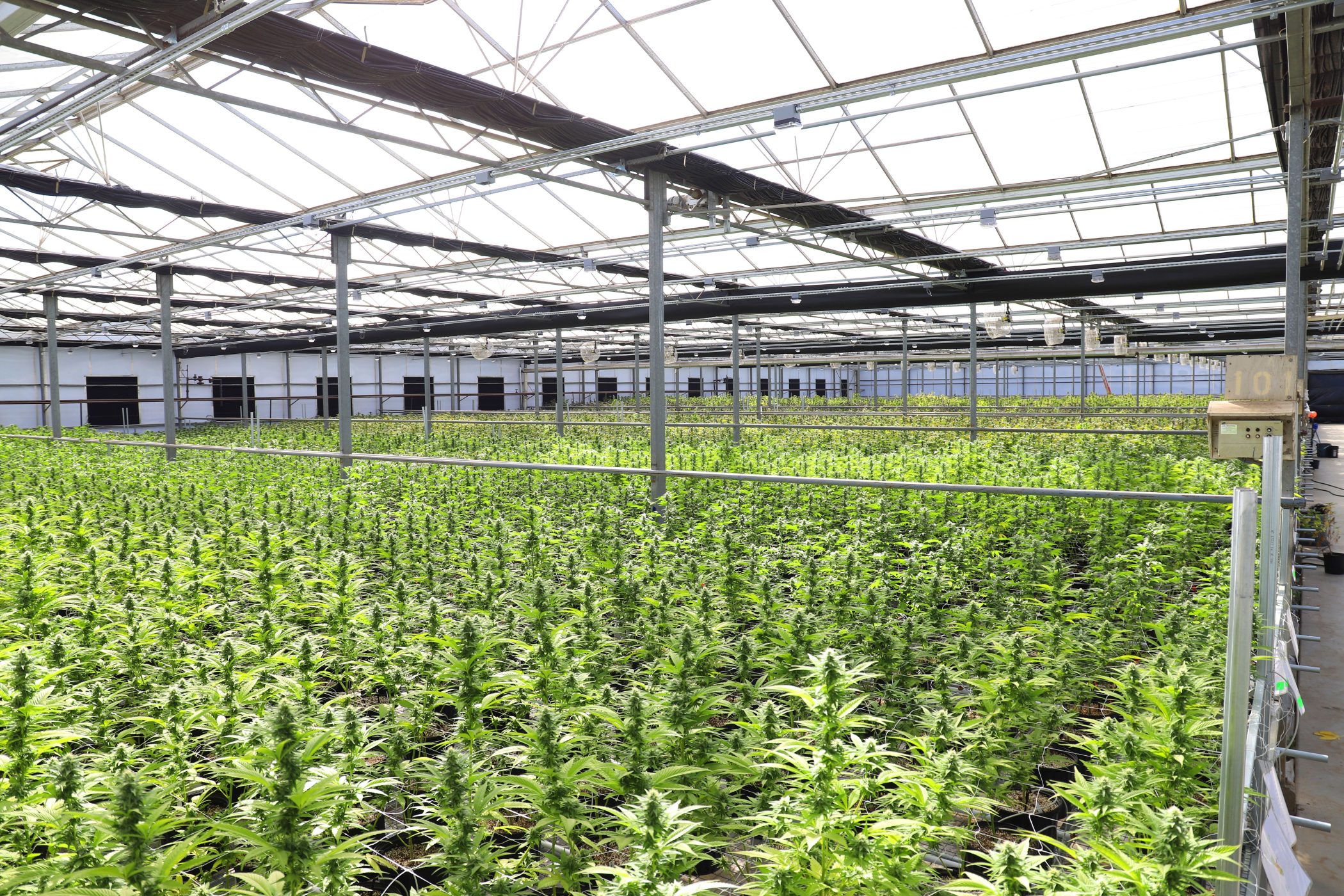
For cannabis operators, the stability goes further, because so much of their risk is already uninsured. When commercial coverage excludes or caps a loss, the company pays it: a crop lost beyond a sublimit, a failed extraction system or HVAC unit, a recall, stolen cash or inventory, a regulatory shutdown. Few operators book these as insurance costs. They show up as write-offs and missed quarters.
Owning part of the insurance turns that scattered expense into a planned one. The company pays a known premium into its own insurer, which holds reserves and pays claims under written policies. Those policies can cover the very risks commercial carriers exclude or cap: crop loss beyond a sublimit, equipment failure, recalls, theft and regulatory shutdowns. Part of the premium typically goes into a risk pool shared with other captive owners. The pool spreads risk across many unrelated businesses, as regulators and tax rules expect of a genuine insurer, and helps absorb larger losses; the rest stays in the company’s own captive. Losses that once arrived unannounced are funded in advance. In the years they don’t arrive, the money stays with the company, building surplus.
Leverage at the table
Owning the first layer of risk also changes the renewal conversation. An operator that keeps routine losses in its own insurer needs commercial carriers only for catastrophic limits, where they compete hardest and price most fairly. It negotiates from a position of choice, not desperation.
Who can do it
The approach works best for multistate and vertically integrated operators, and for established single-state companies with steady operations and clean records. Smaller operators can join group captives or rent protected cells, which lower the cost of entry. Tax treatment must be checked for covered medical activity and mixed businesses; forming a captive does not itself remove Section 280E.
For any cannabis company that has let a renewal notice write its budget, the shift is worth pricing. The goal is not to avoid insurance. It is to stop being ambushed by it.

By Patrick Johnston, Co-Founder, 3F Captive Services
Patrick Johnston is co-founder of 3F Captive Services, which helps mid-sized businesses form and manage captive insurance companies. He has spent more than twenty years running and investing in businesses: he operated a dairy, has owned S&P Ranch, LLC, a California specialty-crop grower, since 2008, and has been chief executive of AgCentra Capital Management since 2016. He co-founded 3F in 2022 and works with owners in agriculture, cannabis, transportation and logistics, construction, health care, hospitality, and professional services. He holds a B.A. in economics from the University of Washington and an M.B.A. from Northwestern University’s Kellogg School of Management.
This is sponsored content. It was written by Patrick Johnston of 3F Captive Services and published by HCN in partnership with 3F Captive Services. It is for general information only and is not insurance, tax, or legal advice. Readers should consult their own qualified advisers.
About the Author: HCN News Team

Related Posts