SNDL Renews Share Repurchase Program Up to C$100M
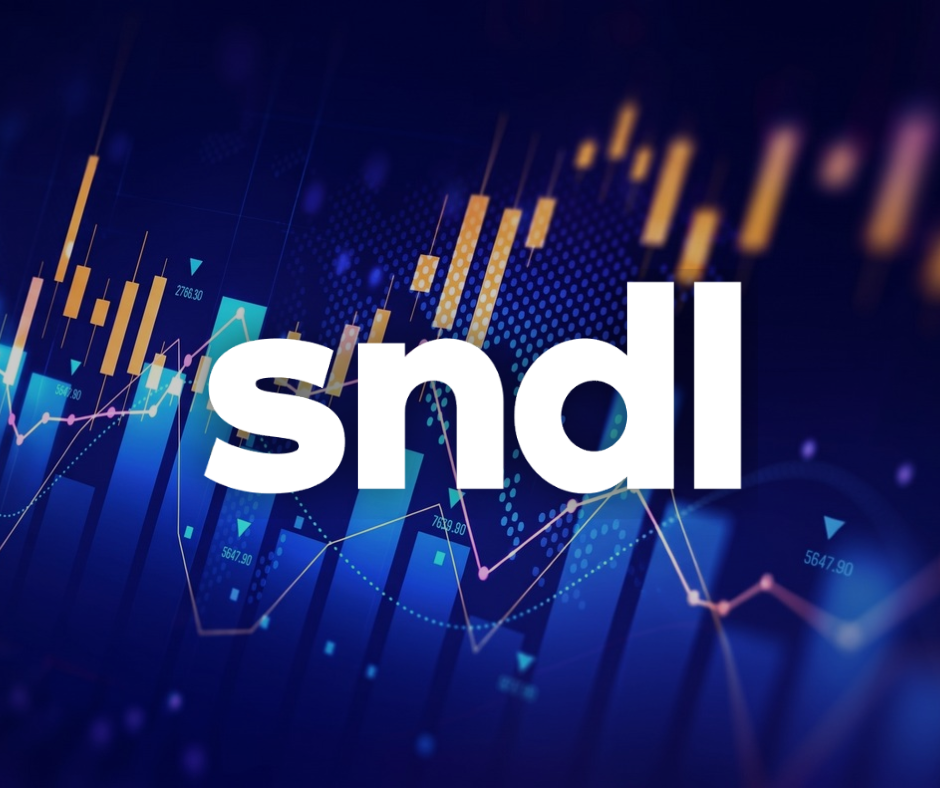





EDMONTON – SNDL Inc. announced that its board approved a renewed share repurchase program authorizing the company to buy back up to C$100 million of its common stock over the coming year.
Under the terms outlined in a company press release, the Canadian Cannabis and liquor retailer may acquire up to 23,573,925 common shares, which equals 10% of its public float as of the launch date. The authorization takes effect today, November 23, 2026, and remains active until November 22, 2027. Shares traded on Nasdaq rose roughly 5% in early morning activity following the disclosure.
The new authorization follows the completion of SNDL’s previous buyback initiative, which ran from November 21, 2025, through November 20, 2026. During that period, SNDL repurchased 24,488,322 shares under that expired mandate, exhausting 100 percent of the shares eligible for buyback.
Management noted that purchases under the renewed program will occur at prevailing market prices via Nasdaq, the Canadian Securities Exchange, or privately negotiated transactions. All acquired stock will return to the corporate treasury for cancellation, permanently reducing the total share count. The company retains full discretion over the timing and volume of transactions and faces no obligation to buy back a minimum number of shares.
The buyback renewal arrives less than a month after SNDL posted mixed Q3 2026 financial results that highlighted both operational resilience and persistent industry challenges. While consolidated net revenue dipped 2.5% from the prior year to C$238 million, driven by a 27.7% drop in Cannabis cultivation and production revenue, the company generated a quarterly record of C$20 million in free cash flow. That cash performance benefited from retail margin gains across its 358 liquor and Cannabis stores alongside a C$10.6 million inflow from unwinding a captive insurance arrangement.
SNDL ended Q3 with C$132 million in unrestricted cash and zero debt, providing substantial liquidity even as it recorded a C$52 million goodwill impairment charge tied to its struggling cultivation unit. Earlier in the autumn, shareholders declined to approve a proposed reverse stock split, leaving open market repurchases as management’s primary tool for managing share count and supporting per share metrics.
SNDL’s approach underscores a widening structural divide between cash generating retailers and capital starved producers. By pairing debt free liquidity from its established liquor and discount Cannabis banners with steady share cancellations, the company is effectively shrinking its equity base while competitors dilute shareholders to fund daily operations. Still, retiring stock cannot substitute for top line expansion forever. Sustained valuation recovery will ultimately require management to stabilize its upstream Cannabis operations while defending retail margins in an increasingly crowded Canadian storefront economy.
About the Author: HCN News Team

Related Posts