Psilocybin Shows Promise in Treating Cocaine Addiction
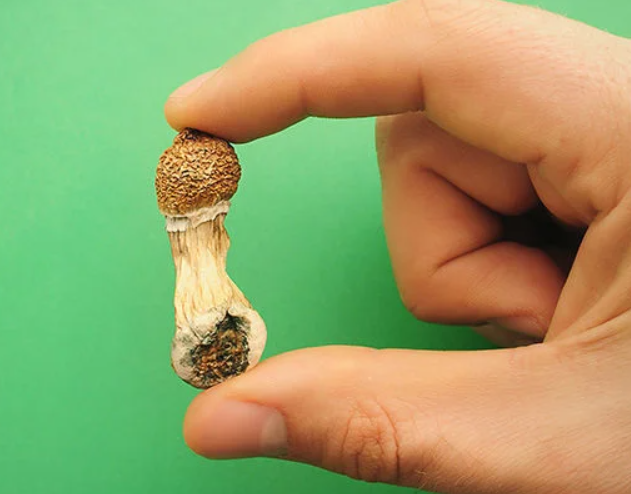






BIRMINGHAM – For the first time, a peer-reviewed, randomized clinical trial showed that psilocybin significantly reduced cocaine use when combined with structured psychotherapy. The findings, published in JAMA Network Open by researchers at the University of Alabama at Birmingham, are drawing attention across addiction medicine for a simple reason:
No medications have ever been proven effective for treating cocaine use disorder. Until now.
The study enrolled 40 adults actively struggling with cocaine dependence and genuinely motivated to quit. Participants who received a single dose of psilocybin combined with psychotherapy recorded significantly more cocaine-free days over the following six months compared to those given a placebo. They were also far less likely to relapse, with fewer lapses reported in the psilocybin group overall.
The trial was led by Peter Hendricks, Ph.D., a professor in UAB’s Department of Psychiatry and Behavioral Neurobiology. Participants were randomized to receive a single oral dose of psilocybin (25 milligrams per 70 kilograms of body weight) or an active placebo, alongside cognitive behavioral therapy delivered one month before and after the drug treatment session. Thirty-six participants completed the full 180-day assessment, which included follow-back interviews and urinalysis to verify abstinence.
The science behind why psilocybin may work in addiction contexts is still being mapped, but one leading hypothesis is gaining traction. Psilocybin may acutely disrupt entrenched cocaine-related neural network dynamics, increasing cortical and limbic plasticity and thereby allowing psychotherapy to take hold more effectively. In plain terms, a single dose may temporarily “unlock” the brain’s capacity for behavioral change in a way that talk therapy alone cannot. Upon consumption, psilocybin is metabolized to psilocin, which acts as a 5-HT2A receptor agonist – activity that prior data indicate may enhance neuroplasticity, emotional processing, and cognitive flexibility.
Researchers confirmed the treatment was safe. The study authors noted that no medications have been proven effective for stimulant use disorders, and described the trial as the first randomized clinical evidence that psilocybin coupled with psychotherapy may be safe and efficacious in the treatment of cocaine use disorder.
For the psychedelics sector, an industry still working to clarify its regulatory and commercial footing, this trial carries weight beyond the clinical data. It suggests that the therapeutic case for psychedelic compounds is building across multiple addiction categories, not just the mental health indications that have drawn the most investor attention.
Ultimately, whether psilocybin reaches pharmacy shelves depends on large-scale replication, regulatory receptiveness, and the willingness of the healthcare system to integrate supervised psychedelic sessions into standard care protocols. None of that is close. But this trial marks something genuinely rare in addiction medicine – a credible first.
About the Author: HCN News Team

Related Posts