Hemp THC Beverages Return to Ohio Shelves






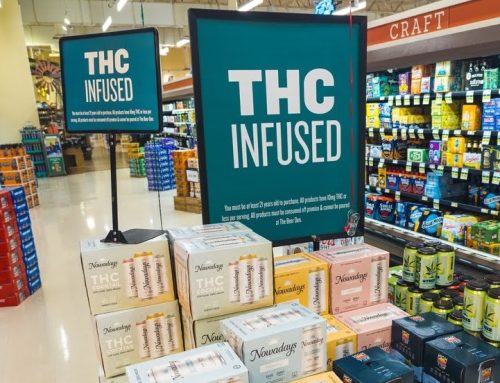
CLEVELAND – Hemp-derived THC drinks are back on a limited number of Ohio shelves after U.S. District Judge Jeffrey Helmick temporarily blocked the state from enforcing its newest hemp licensing law against a group of plaintiff companies.
The temporary restraining order, issued June 15 in the Northern District of Ohio, found that Senate Bill 56 likely violates the U.S. Constitution’s dormant Commerce Clause. The law requires hemp THC products sold in Ohio to be sourced, manufactured and distributed entirely within the state’s borders, a structure Helmick said effectively shuts out out-of-state producers while sparing in-state Cannabis dispensaries from the same competitive pressure.
Ten companies named in the suit can resume selling hemp THC products to Ohio retailers for the duration of the order. Retailers not named in the suit remain barred from carrying the products unless they buy through one of those ten.
The restraining order is scheduled to lapse June 29 unless a judge extends it, and a preliminary injunction hearing has not yet been set. Helmick acknowledged Ohio’s stated interest in consumer safety, noting the state raised legitimate concerns about testing, labeling and age verification in the hemp market. He concluded, however, that enforcing a statute likely to be found unconstitutional did not serve the public interest more than letting the case proceed.
Ohio’s broader hemp dispute extends well beyond this single ruling. Earlier this year, judges in Sandusky and Franklin counties issued similar but narrower restraining orders, some later stayed by appellate courts. State officials have defended the licensing restrictions by pointing to gaps in age limits and testing standards that existed before regulators stepped in.
The case also carries a federal deadline in the background. Congress recently closed the regulatory exemption that allowed many hemp-derived THC products to be sold nationwide, with that change set to take effect in November regardless of how Ohio’s litigation concludes. The U.S. Hemp Roundtable has pushed Congress to revisit that timeline, and the White House has asked lawmakers to consider a regulatory framework or, at minimum, delay implementation.
For now, Ohio’s hemp beverage sector is operating on borrowed time, its legal footing limited to ten companies and an order due to expire within days.
The Ohio case captures a tension showing up in statehouses across the country: lawmakers trying to protect licensed Cannabis markets are colliding with a federal hemp framework never built for products this potent. Courts have so far ruled in favor of hemp companies on procedural and constitutional grounds rather than settling the underlying policy question, leaving operators to plan around short-term orders instead of durable law. With a federal closure date already set for November, the larger resolution may come less from Ohio’s courthouses and more from Congress, and the choices lawmakers make there before that deadline arrives.
About the Author: HCN News Team

Related Posts