Cannabis Workers Win Biggest Strike in U.S. History
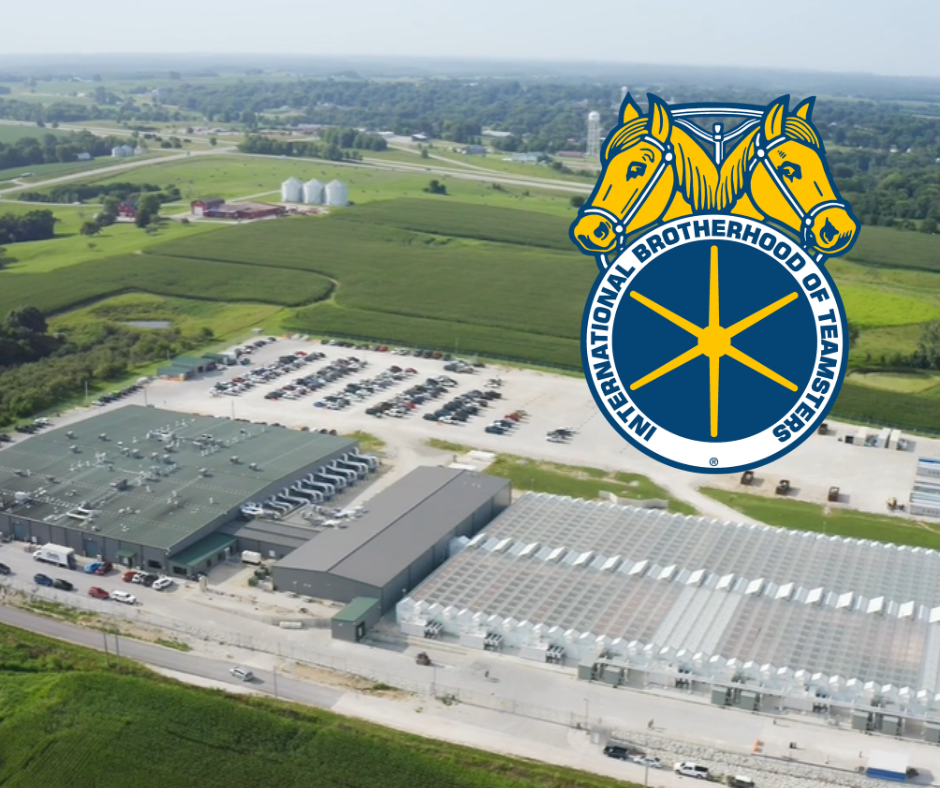






BARRY – Employees at Ascend Wellness’s Cannabis cultivation facility in Barry, Illinois, ratified their first union contract on July 30, ending a 30-day unfair labor practice strike that the International Brotherhood of Teamsters says was the largest in the history of the legal Cannabis industry.
The workers, more than 300 members of Teamsters Local 916, walked off the job on June 25 after months of failed contract negotiations with Ascend Wellness, one of the country’s largest multistate Cannabis operators. The union accused the company of refusing to bargain in good faith, including the alleged retaliatory firing of a bargaining committee member – an unfair labor practice under federal law.
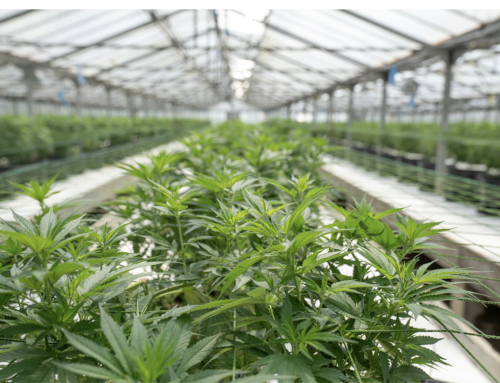
The Barry facility sits at the operational core of Ascend’s Illinois supply chain. Workers at the grow house handle every stage of production [cultivation, processing, packaging, and distribution] for dispensaries across the state. A sustained work stoppage at that site carried real supply consequences for the Illinois retail Cannabis market.
The newly ratified contract covers higher wages, reduced health care costs, stronger protections against unjust discipline, upgraded paid time off policies, and a formal dispute resolution process. Specific wage figures and contract duration were not disclosed in the union’s public announcement.
“This victory belongs to the men and women at Ascend who stood together and refused to accept anything less than a fair contract,” said JP Fyans, President of Local 916. “Their solidarity compelled Ascend to deliver on pay, benefits, and protection of union rights.”
Jesse Case, Director of the Teamsters Food Processing Division, said the outcome establishes a new benchmark for the sector. “This contract sets a new and improved standard for cannabis cultivation and manufacturing workers across the country,” Case said.
The strike did not unfold without internal contradiction. In June, 19 employees at an Ascend Cannabis store in Chicago Ridge voted to de-unionize, according to National Labor Relations Board records – a counter-signal that surfaced the same week the Barry walkout began. Ascend kept the Barry facility operational throughout the stoppage, and as of press time had not issued a public statement on the ratification.
Local 916 Vice President Kyle Bollinger called his members’ conduct on the strike line “extraordinary,” adding that 30 days of sustained action forced the company back to the table. The settlement, Bollinger said, delivers a clear message to Cannabis operators more broadly: “Workers who drive their profits deserve to be treated with respect.”
For the Cannabis sector, the Barry settlement is a data point that operators should be reading carefully. Labor costs are already a margin pressure at licensed companies squeezed between high tax burdens, persistent pricing compression, and illicit market competition. A precedent-setting contract won through the industry’s largest-ever strike will not go unnoticed by workers at other MSOs. In a sector that has long treated cultivation labor as a cost center rather than a risk category, the Ascend outcome signals that dynamic is changing, and the change is coming from the shop floor up.
About the Author: HCN News Team

Related Posts