California’s Cannabis Promise Remains Unfulfilled: Why Racial Disparities in Cannabis Arrests Continue to Shame the Golden State
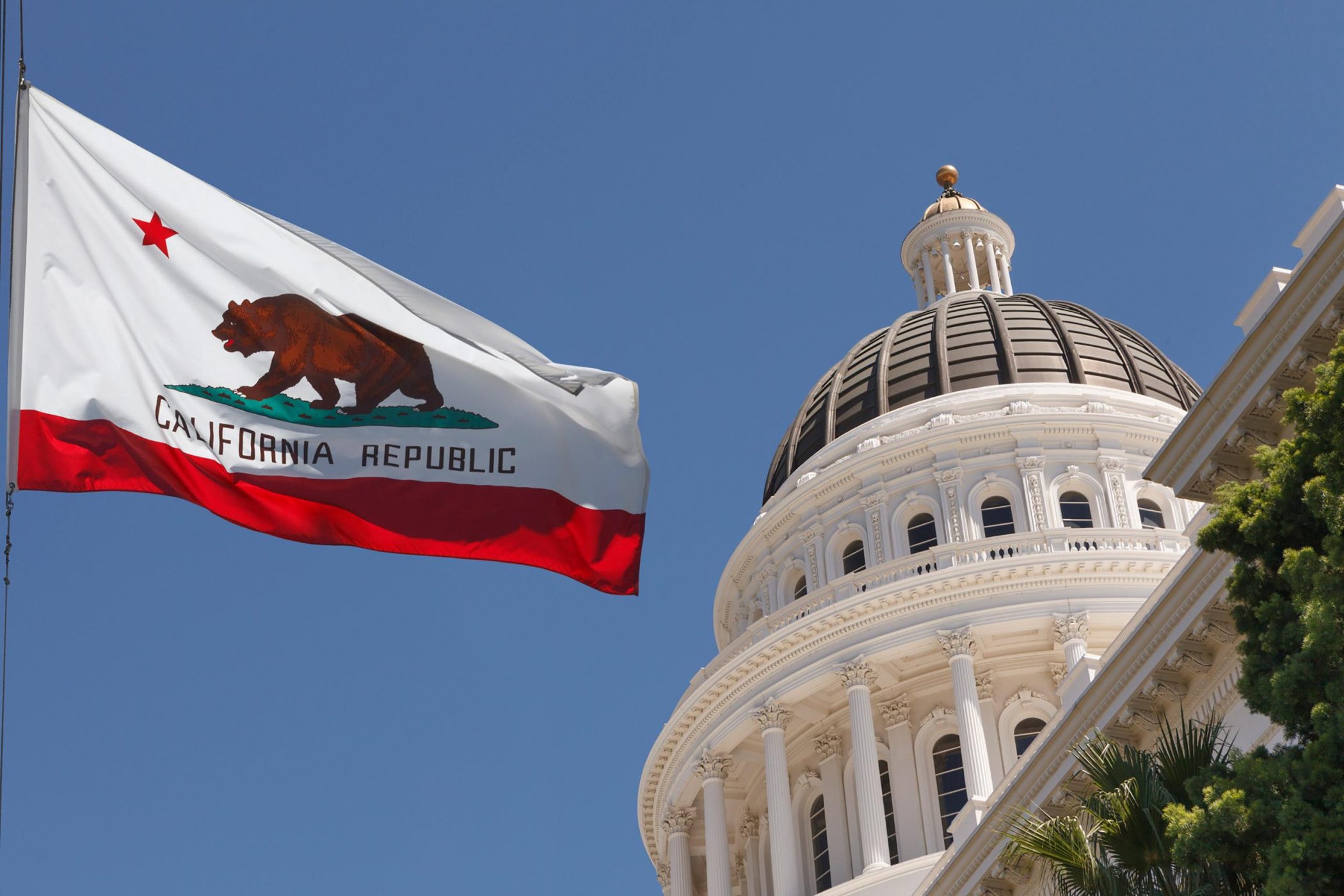






SACRAMENTO- Nearly a decade after California voters approved adult-use Cannabis, the state has become one of the world’s largest legal Cannabis markets. Billions of dollars have flowed through licensed businesses, thousands of jobs have been created, and Cannabis has become increasingly accepted by mainstream society.
Yet beneath these successes lies an uncomfortable reality.
For many Californians, particularly Black and Latino communities, the promise of legalization has not translated into equal treatment under the law.
According to newly released data from California NORML, Black and Latino residents continue to be arrested for Cannabis-related offenses at disproportionately higher rates than White Californians. Even more concerning, those disparities widened in 2025.
Legalization Has Reduced Arrests—But Not Equally
There is genuine progress worth acknowledging.
Overall Cannabis arrests in California have fallen dramatically since Proposition 64 legalized adult-use Cannabis in 2016. Annual Cannabis-related arrests have declined from more than 13,000 to fewer than 3,000.
That represents one of the clearest public policy successes of legalization.
Fewer people are entering the criminal justice system over Cannabis. Fewer families are being disrupted. Fewer careers are being damaged because of possession or minor Cannabis offenses.
However, the benefits of legalization have not been distributed equally.
The Numbers Tell a Troubling Story

According to California NORML’s analysis of 2025 arrest data:
- 74% of those charged with felony Cannabis violations were Black or Latino.
- 68% of those charged with misdemeanor Cannabis offenses were Black or Latino.
- Black Californians were 6.4 times more likely than White Californians to be arrested for Cannabis offenses.
- Latino Californians were 2.26 times more likely than White Californians to face Cannabis arrests.
Perhaps most concerning is that these disparities increased compared with 2024.
Black residents were previously 5.2 times more likely than Whites to be arrested. That figure has now climbed to 6.4.
Similarly, the disparity affecting Latino residents rose from 1.97 times to 2.26 times.
These are not marginal statistical changes. They represent thousands of interactions with law enforcement that continue to fall disproportionately on specific communities.
Legalization Was Never Just About Commerce
When Californians voted for Proposition 64, legalization was sold as more than simply creating a legal Cannabis marketplace.
Supporters argued it would also address decades of unequal enforcement stemming from the War on Drugs.
Communities of color had historically experienced higher arrest rates despite research consistently showing that Cannabis use rates are relatively similar across racial groups.
Legalization promised to reduce those inequities through:
- Reduced criminal penalties
- Record expungement
- Greater economic opportunity
- Social equity licensing programs
- Redirecting law enforcement resources
While progress has undoubtedly been made in several of these areas, the latest arrest statistics suggest that the criminal justice component remains unfinished.
Why Are Disparities Persisting?
The new figures inevitably raise difficult questions.
If Cannabis is legal for adults in California, why are enforcement disparities actually increasing?
Many Cannabis arrests today involve violations outside the regulated market, including illicit cultivation, illegal distribution, sales without licensing, or activities involving minors or large-scale commercial operations.
California’s legal Cannabis industry also continues to face high taxes, complex regulation, and fierce competition from the illicit market. These factors create enforcement challenges that often affect economically disadvantaged communities more heavily.
None of these realities, however, fully explain why racial disparities continue to widen.
The persistence of such large differences suggests policymakers, law enforcement agencies, and regulators must continue examining how Cannabis laws are enforced across different communities.
A National Conversation That Isn’t Over

California is hardly alone.
Across the United States, numerous studies conducted before legalization consistently documented significant racial disparities in Cannabis arrests.
Legalization has reduced total arrests in many jurisdictions, but disparities have often proven more difficult to eliminate than many advocates anticipated.
Changing laws does not automatically change enforcement patterns.
Nor does creating a legal market automatically erase decades of institutional inequality.
Those issues require sustained policy attention, transparency, accountability, and continual review of enforcement practices.
Measuring Success Beyond Tax Revenue
California frequently measures the success of legalization through tax collections, retail sales, licensing numbers, and economic growth.
Those metrics matter.
But they should not be the only benchmarks.
A truly successful legalization framework should also be measured by whether it delivers on its promises of fairness and justice.
If some communities continue to bear a disproportionate share of criminal enforcement, then legalization remains an incomplete project.
Equity Requires More Than Good Intentions
California NORML Deputy Director Ellen Komp summed up the issue clearly:
“That the injustice of these racial disparities in cannabis arrests continues to exist, and has even worsened since legalization, is appalling. Prop. 64’s goals included bringing justice and equity to communities and individuals impacted by the War on Drugs. We must do better.”
Her comments reflect a growing concern among many criminal justice reform advocates that legalization cannot simply become an economic success story while equity goals fall behind.
The state has invested considerable effort into social equity programs and record-clearing initiatives, but the latest data suggests more work remains.
Looking Forward
California deserves credit for dramatically reducing overall Cannabis arrests since legalization.
That achievement should not be overlooked.
However, the state’s latest arrest data serves as an important reminder that legalization alone does not guarantee justice.
As policymakers continue refining California’s Cannabis framework, equal enforcement should remain central to the conversation.
The ultimate goal of legalization was never merely to replace prohibition with regulation.
It was also to ensure that all Californians—regardless of race or ethnicity—are treated fairly under the law.
Until that goal is fully realized, California’s Cannabis legalization story remains one of significant progress, but unfinished reform.
About the Author: HCN News Team

Related Posts