Daily Cannabis Use Surpasses Daily Drinking in Canada






TORONTO – More adults in Canada now use Cannabis every day than consume alcohol on a daily basis, according to new research published in the Canadian Medical Association Journal. The findings reveal a pronounced generational divide in substance habits across the country, with younger adults driving higher daily Cannabis consumption while older residents continue to favor alcohol.
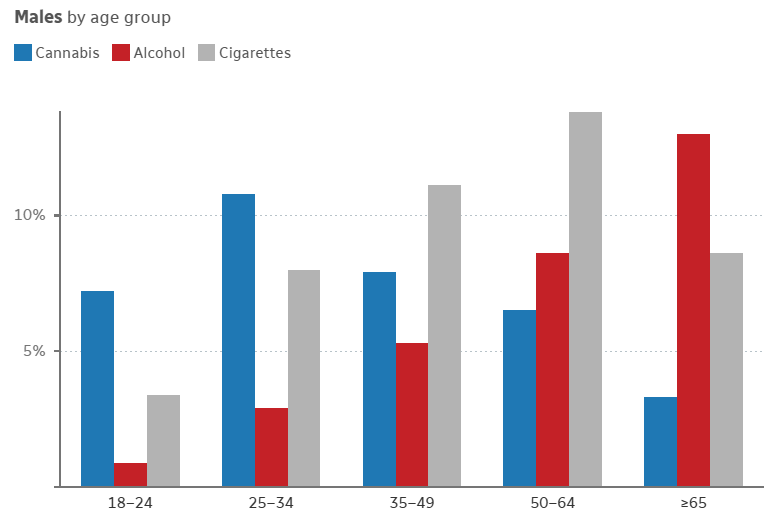
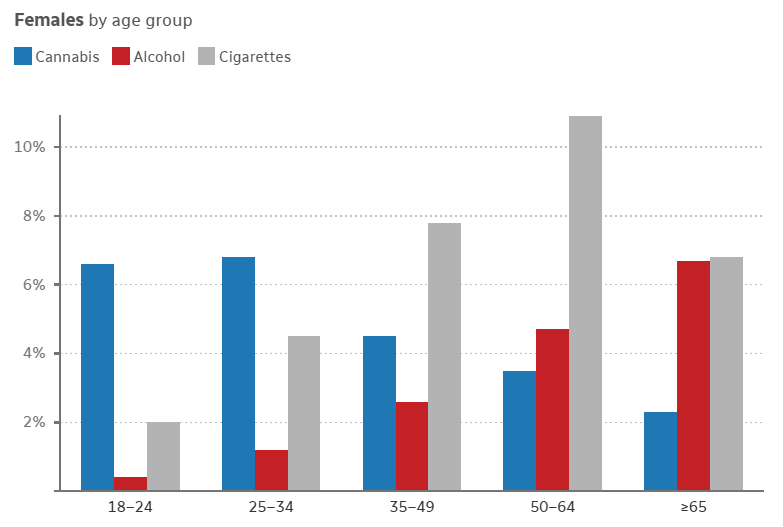
Researchers at McMaster University and partner institutions analyzed responses from nearly 100,000 participants in the 2023 and 2024 Canadian Community Health Survey. Overall, 5.7% of Canadian adults, representing roughly 1.81 million people, reported daily Cannabis use, edging past the 5.2% who reported drinking alcohol every day. Daily cigarette smoking remained the highest overall at 8.5%. Among adults younger than 35, however, daily Cannabis use exceeded both daily drinking and daily cigarette smoking.
The age gap was widest among young adults. Nearly 11% of men aged 25 to 34 reported using Cannabis daily, compared with 2.9% who drank alcohol daily and 8% who smoked cigarettes daily. Among women aged 18 to 24, 6.6% used Cannabis daily, while fewer than 1% drank alcohol every day. By contrast, among adults aged 65 and older, 13% of men and 6.7% of women reported daily alcohol use, compared with 3.3% and 2.3% for daily Cannabis use.
The study also identified higher daily Cannabis use among lower income households, gender diverse respondents, and individuals living with mood or anxiety disorders. About 41% of daily Cannabis users began their daily routine after Canada legalized recreational Cannabis in 2018. Roughly two thirds of daily consumers reported smoking Cannabis rather than choosing edible formats.
From a market standpoint, the Canadian data reflects a structural reallocation of consumer discretionary spending rather than a temporary novelty. Eight years after federal legalization, Cannabis has established itself as a routine evening staple for younger cohorts who increasingly moderate or skip alcohol, creating persistent volume pressure for brewers and distillers.
At the same time, the heavy reliance on flower among daily consumers shows that legacy consumption habits remain entrenched even in a mature retail environment with diverse product shelves. As younger consumers age into their prime earning years, regulated Cannabis operators face a dual reality. Core daily demand is durable, yet future growth and regulatory stability will rest on how effectively companies innovate consumption formats while managing stricter public health scrutiny.
Grouped bar charts courtesy of the Canadian Medical Association (CMA)
About the Author: HCN News Team

Related Posts