The Line Item Cannabis CFOs Never Audit








In an industry fighting for every point of margin, insurance remains the cost almost no one examines. The operators who look closely are finding money.
NEW YORK — Ask a cannabis CFO to defend the packaging budget, the payroll, or the wholesale price per pound, and she will have numbers ready. Ask her to defend the insurance bill and the answer is usually a shrug: it went up again.
In this industry, that shrug is expensive. Wholesale prices have been sliding for years. Section 280E still taxes adult-use operators on gross profit. Some cannabis insurance rates can be two or three times those for similar exposures, according to specialists quoted by Insurance Journal. Yet few finance teams treat the bill as something they can manage.
Where the premium goes
A premium pays for more than claims. It also funds administration, distribution, reinsurance and the insurer’s margin. How much of each dollar goes where is contingent on market and carrier nuances. In the cannabis space, operators frequently buy much of their coverage from a small group of surplus-lines carriers that face little competition. Whatever share of each premium dollar those carriers keep, the operator has almost no leverage to bargain it down.
The careful operator’s penalty
The deeper problem is that the market prices scarcity, not conduct. An operator that tests every batch twice, audits its vape-hardware suppliers, and keeps spotless security logs pays roughly what a careless competitor pays. Good behavior subsidizes bad.
Then there is what the policy leaves out. Recalls, regulatory defense, inventory above a sublimit: in cannabis, these are often excluded or capped, so the operator pays for them itself, out of operating cash. Those losses never appear on a line labeled “insurance.” They appear as write-offs and missed quarters.
Keeping the margin
Large corporations in other industries solved this long ago by owning part of their insurance through a captive, an insurance company owned by the business that sits alongside commercial coverage. Premiums go to the captive, with a share usually placed in a risk pool shared with other captives; the captive pays claims; whatever isn’t spent stays in the company as reserves, earning investment income.
The structure has reached cannabis. Captive programs built for cannabis make the ownership practical for the cannabis space. Now, cannabis operators own and control a walled-off entity that covers unique risks that often cannot be covered by traditional insurance companies. At Marsh’s Mangrove facility, protected-cell premium volume rose 47 percent, according to coverage of its 2026 benchmarking report. This reflects its broader client base.
The effect on the books can be substantial. In a well-run captive, what a company would have paid a carrier, less claims and costs, stays on its own balance sheet as reserves.
What it means for founders
For a founder raising capital or preparing a sale, the benefits reach beyond the income statement. Reserves sit on the balance sheet, where investors and acquirers can see them. Coverage written for recall and regulatory risk means fewer contingent liabilities in diligence. And a predictable insurance cost makes earnings easier to underwrite.
Tax treatment depends on the activity covered by the federal medical-marijuana order and the operator’s facts. Treasury has described relief for covered activity and expense allocation for mixed businesses. A captive does not itself remove Section 280E, and deductions require a qualifying insurance arrangement.
The arithmetic
The case for a captive doesn’t take a leap of faith, only a spreadsheet. Add three years of premiums to what the company paid out of pocket for recalls, inventory losses, regulatory fights, and other losses its policies did not cover. Compare the total with the claims its carriers actually paid.
For multistate and vertically integrated operators, and for established single-state companies with a few hundred thousand dollars a year in premiums and a clean record, that gap is often the largest recoverable cost on the books. Built properly—priced by an independent actuary, paying real claims, with sound tax advice—the payoff shows up where cannabis companies need it most: in the margin.
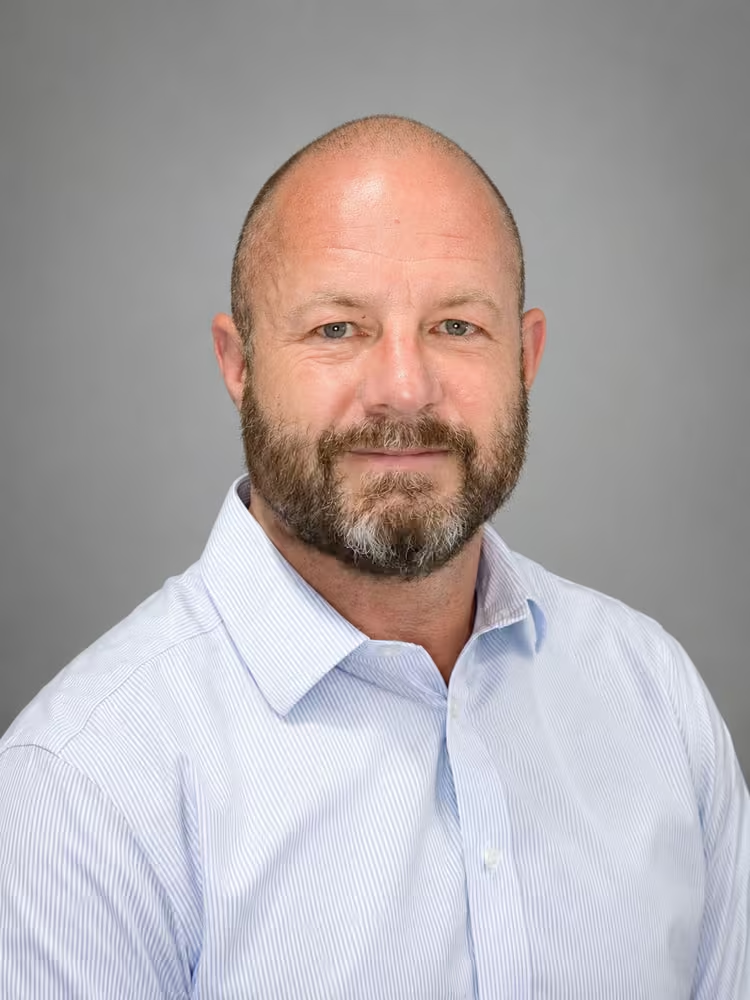
By Patrick Johnston, Co-Founder, 3F Captive Services
Patrick Johnston is co-founder of 3F Captive Services, which helps mid-sized businesses form and manage captive insurance companies. He has spent more than twenty years running and investing in businesses: he operated a dairy, has owned S&P Ranch, LLC, a California specialty-crop grower, since 2008, and has been chief executive of AgCentra Capital Management since 2016. He co-founded 3F in 2022 and works with owners in agriculture, cannabis, transportation and logistics, construction, health care, hospitality, and professional services. He holds a B.A. in economics from the University of Washington and an M.B.A. from Northwestern University’s Kellogg School of Management.
This is sponsored content. It was written by Patrick Johnston of 3F Captive Services and published by HCN in partnership with 3F Captive Services. It is for general information only and is not insurance, tax, or legal advice. Readers should consult their own qualified advisers.
About the Author: HCN News Team

Related Posts