From THC to Fatty Liver Disease: How Israel Helped Build Modern Cannabis Medicine
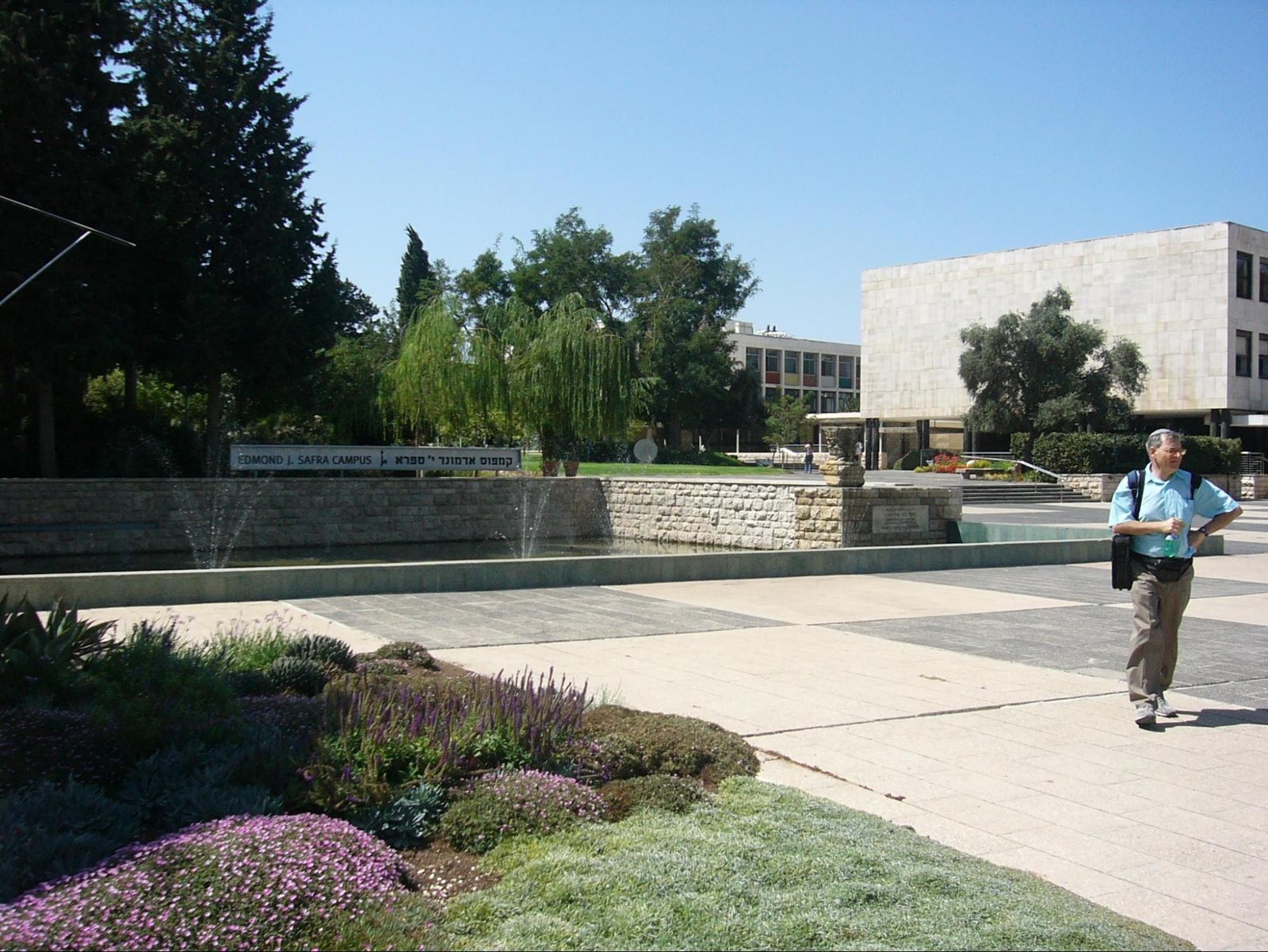






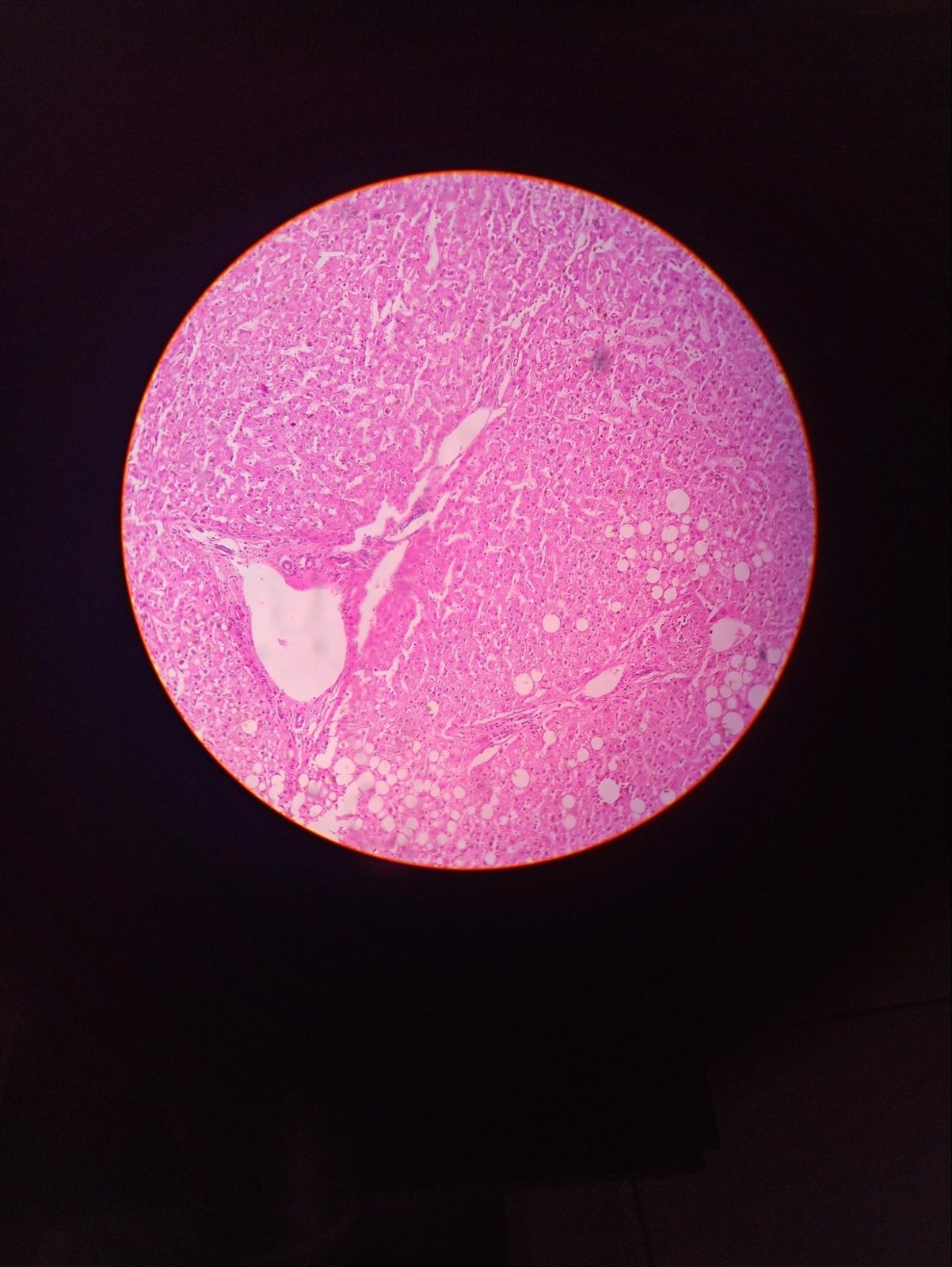
LOS ANGELES-Almost lost in the relentless Middle East news cycle was a remarkable Cannabis medical breakthrough announced earlier this year in Israel. Researchers at the Hebrew University of Jerusalem found that two non-intoxicating Cannabis compounds, cannabidiol (CBD) and cannabigerol (CBG), reduced liver fat and improved metabolic health in mice with fatty liver disease. The condition, now called metabolic dysfunction-associated steatotic liver disease (MASLD), affects roughly one in three adults worldwide.
The peer-reviewed study, published in 2026 in the British Journal of Pharmacology, gave mice on a high-fat diet daily CBD or CBG for four weeks. Both compounds improved blood sugar control, reduced fat in the liver and brought blood lipids back to normal, without changing how much energy the animals burned. The researchers point to two mechanisms: better energy buffering in liver cells through phosphocreatine, and restored lysosomal activity, the cell’s system for breaking down and recycling fats. Notably, they describe the effect as working independently of the endocannabinoid system.
That is exciting science, not an approved treatment. The results have not yet been shown in people, and the study is not evidence that retail CBD or CBG products can treat fatty liver disease.
1963–1964: Israel helps unlock the chemistry of Cannabis
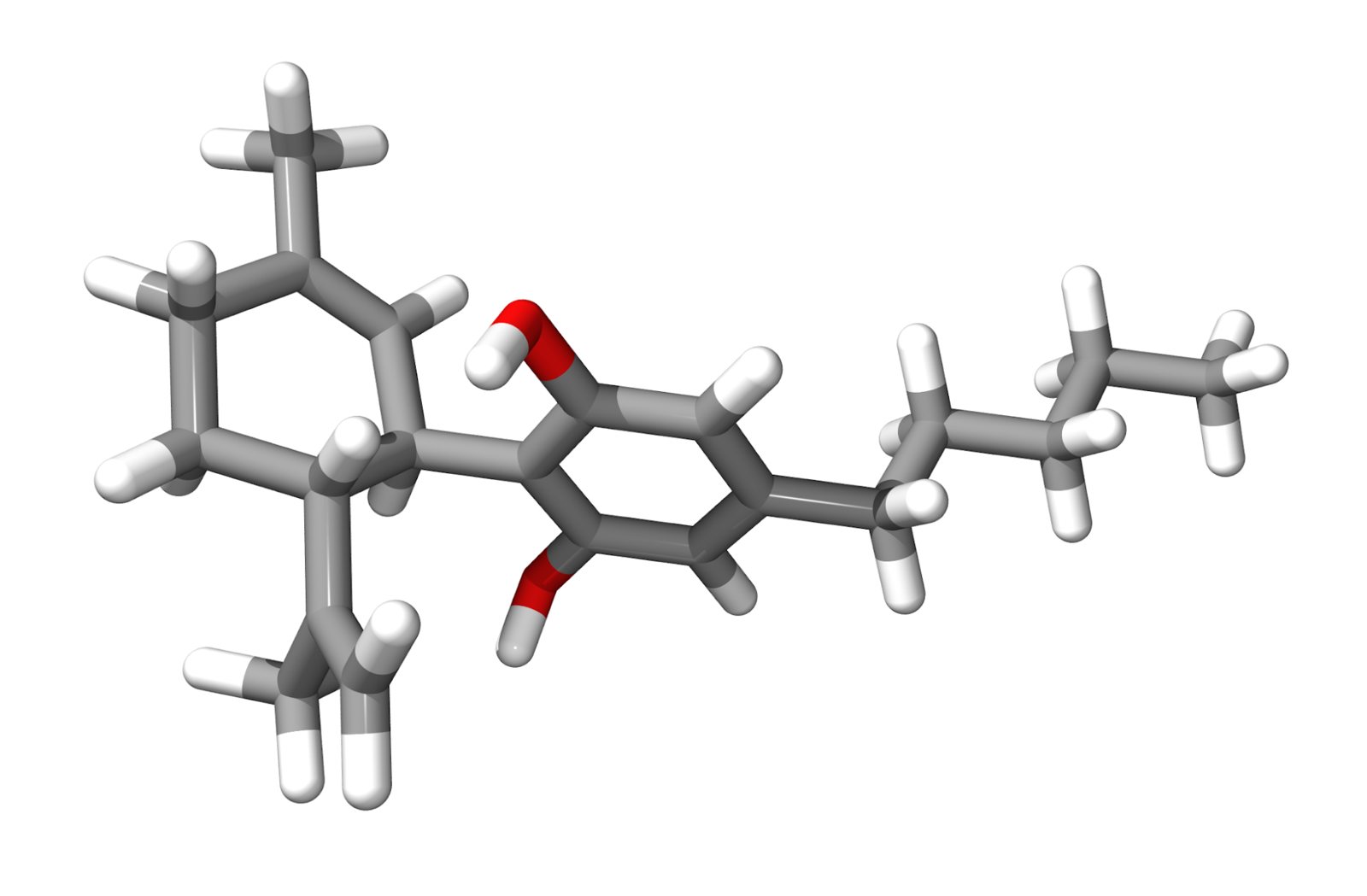
To understand why this matters, go back more than 60 years. At Israel’s Weizmann Institute of Science, Raphael Mechoulam and colleagues established the structure of cannabidiol in 1963. In 1964, Mechoulam and Yechiel Gaoni isolated delta-9-tetrahydrocannabinol (THC), Cannabis’s main intoxicating compound, and determined its structure.
Before that work, scientists could not study the plant’s effects with chemical precision. Identifying its key molecules made it possible to investigate how they act, develop consistent preparations and build a serious scientific field.
1992: Anandamide, the body’s “bliss molecule”
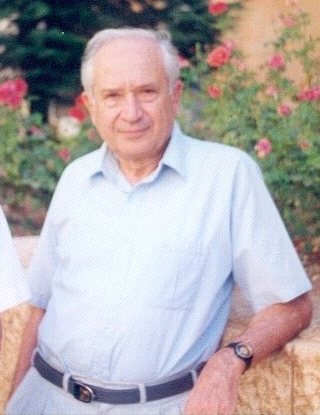
By then at the Hebrew University, Mechoulam’s laboratory made another landmark discovery in 1992: anandamide, the first endocannabinoid ever identified. Named after the Sanskrit word ananda, meaning bliss, it is made naturally by the human body and acts on the same cannabinoid receptors as THC.
Its significance went far beyond the nickname. Cannabis was not acting on some alien biological system. The body makes its own cannabinoid signaling molecules, which help regulate appetite, pain, mood, memory and the stress response. The discovery helped reveal the endocannabinoid system and opened new avenues for medicine.
1995: The discovery of 2-AG
In 1995, Mechoulam and colleagues identified 2-arachidonoylglycerol (2-AG), a second major endocannabinoid; a Japanese team identified it independently the same year. Together, anandamide and 2-AG showed researchers how cannabinoid signaling works throughout the body. These were foundational discoveries, not commercial medicines, but they made much of the later drug research possible.
From brain science to medical applications
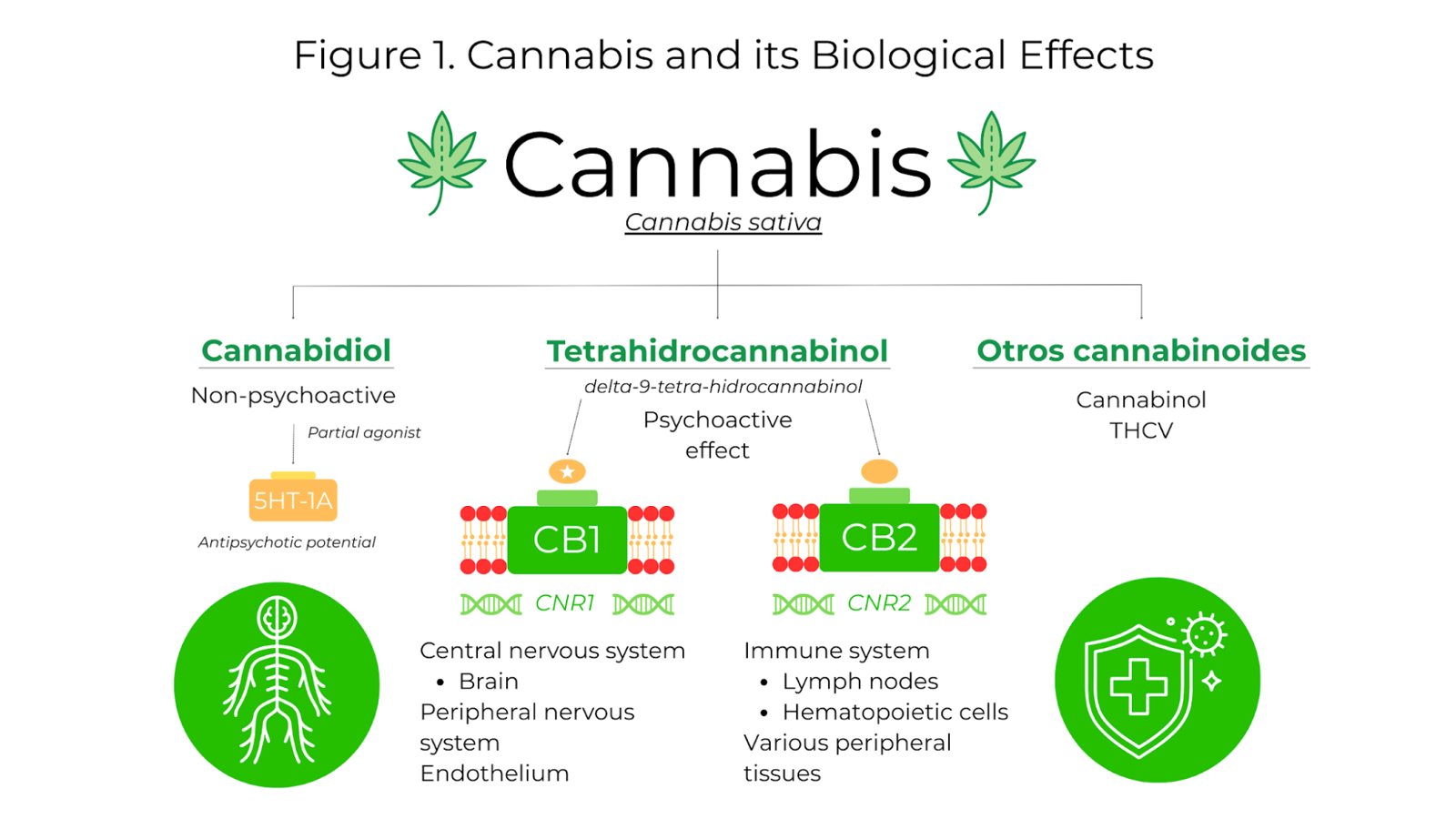
Israeli researchers have since studied cannabinoids in epilepsy, pain, inflammation, neurobiology, metabolism and other conditions. Not every promising finding has become a successful medicine, and some fields still lack rigorous clinical evidence. That distinction matters. Cannabis research is strongest when laboratory findings are followed by controlled human studies, reproducible results and careful safety assessment.
The approval of a purified CBD medicine for certain severe seizure disorders, in the United States in 2018 and in Europe in 2019, shows that cannabinoid-based treatments can reach patients through modern pharmaceutical development. That achievement belongs to an international research and clinical community, building on decades of foundational cannabinoid science.
2026: A different approach to fatty liver disease
The new Hebrew University work, led by Radka Kočvarová, Liad Hinden and Joseph Tam, stands out because it points to specific cellular mechanisms rather than a vague claim that Cannabis is good for you. CBD and CBG appeared to help the liver keep its energy reserves and restore the cellular machinery that breaks down fat.
The biology is also more complicated than a single compound acting as a universal remedy. In a second group of mice fed a choline-deficient diet, CBG had no effect, which suggests its benefit depends on phospholipid pathways. That kind of detail gives scientists testable hypotheses, but only clinical trials will show whether the approach is safe and useful in people.
Why universities and industry matter
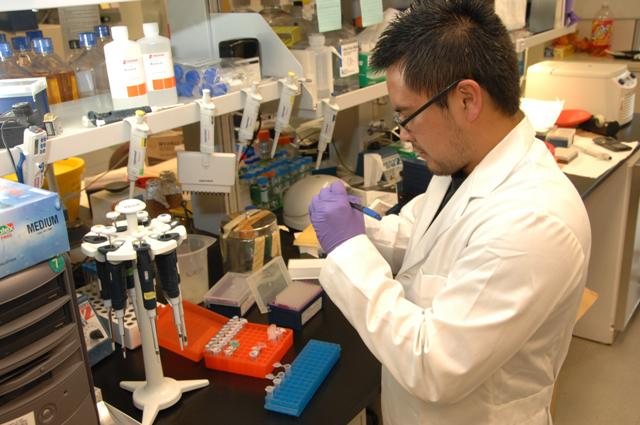
Having worked in Israel as VP and CMO of Strauss Coffee BV, the Netherlands-based coffee arm of Israel’s Strauss Group, I saw firsthand how academia and industry work together. Universities generate discoveries; companies help turn the most promising findings into scalable products, clinical programs and, occasionally, medicines that reach patients.
The process is slow, expensive and full of failures. But Israel’s sustained investment in research has built an ecosystem where chemistry, medicine, biotechnology and commercial expertise meet. The latest liver study is another example of why that ecosystem deserves attention.
The opportunity, and the responsibility, for the Cannabis industry
For entrepreneurs and investors, the lesson is not to rush out a new CBD or CBG liver product. It is to follow the evidence. Real medical innovation requires validated mechanisms, intellectual property, toxicology, controlled trials, manufacturing quality and regulatory approval. Scientific credibility matters more than promotional claims.
Israel’s cannabinoid legacy runs from CBD and THC chemistry in the 1960s, through anandamide and 2-AG in the 1990s, to today’s increasingly sophisticated studies of metabolic disease. It is a remarkable scientific arc. The next chapter will be written not by headlines but by the clinical evidence that follows.
Whatever one’s views of the region’s governments or conflicts, discoveries that could improve human health deserve careful reporting and recognition. Congratulations to the Hebrew University researchers for adding another important piece to the picture.
Sources
Primary study: Kočvarová R, et al. “Cannabidiol and cannabigerol ameliorate steatotic liver disease via phosphocreatine buffering and lysosomal restoration.” British Journal of Pharmacology, 2026. https://doi.org/10.1111/bph.70387
Hebrew University research record https://cris.huji.ac.il/en/publications/cannabidiol-and-cannabigerol-ameliorate-steatotic-liver-disease-v/
Weizmann Institute biography of Raphael Mechoulam https://www.weizmann.ac.il/sites/scientific-council/honorary-phd/prof-raphael-mechoulam
Historical review https://pmc.ncbi.nlm.nih.gov/articles/PMC7605027/
Mechoulam tribute and discoveries https://pmc.ncbi.nlm.nih.gov/articles/PMC8746417/
HCN | Highly Capitalized Network: Cannabis industry science, finance and innovation.
About the Author: HCN News Team

Related Posts