Germany Turns to Hash and Extracts as Flower Prices Decline
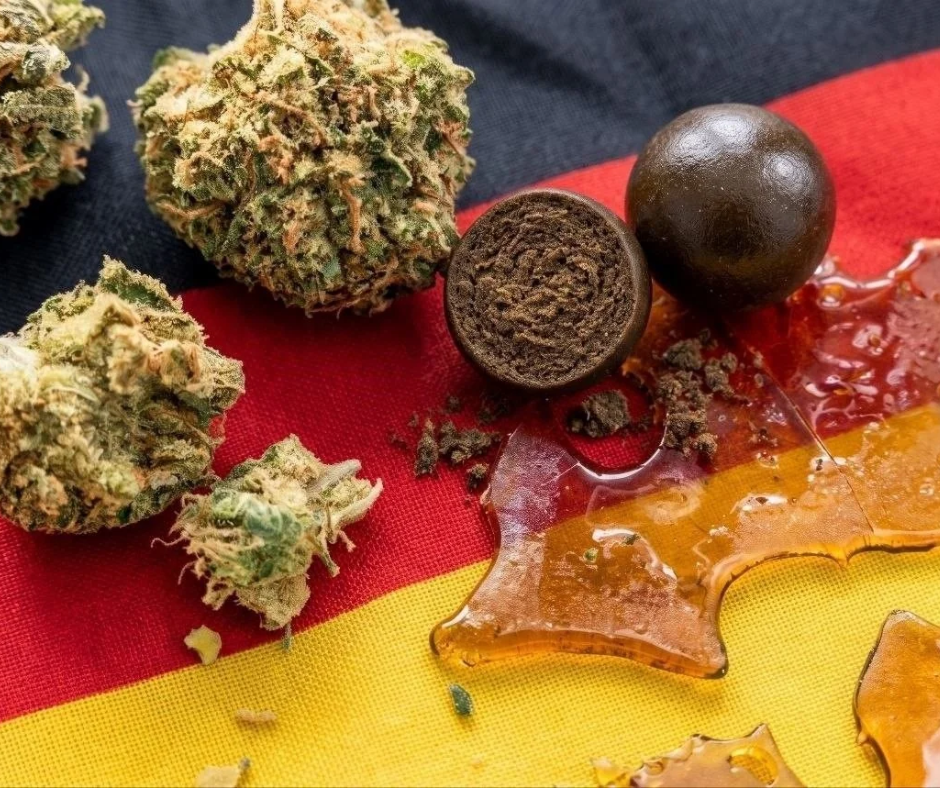






BERLIN – For years, dried Cannabis flower defined Germany’s medical market. After lawmakers removed medical Cannabis from the country’s narcotics schedule in April 2024, flower imports surged to 205 kilograms in 2025 and climbed to 67,6 tons in Q1 2026. Now, pharmacy catalogs and supplier pipelines show that hash, rosin, and inhalable concentrates are adding new product listings faster than dried flower.
The turn reflects both price pressure in flower and major policy changes enacted in 2026. A peer reviewed study published in the International Journal of Drug Policy found that flower listings on a major German platform expanded from 266 to 401 over a single year while median retail prices dropped 31%, from €8.64 to €5.95 per gram. Against that backdrop, pharmacy made hash has arrived on dispensary menus. Grastheke, operated by St. Alexius Apotheke, began selling Pressa Society’s J31 Harz, pressed from Purplefarm’s Jokerz #31 cultivar, at €9.99 per gram, recording verified orders since November 9. Meanwhile, Asavita’s ONYX resin is listed in livestock at €21.99 to €24.99 per gram.
Reimbursement policy accelerated that transition. On July 30, 2026, Germany’s Statutory Health Insurance Contribution Stabilization Act ended public insurance coverage for dried Cannabis flower. Standardized extracts and dronabinol medicines remained eligible for statutory reimbursement, a distinction reinforced in an August 2026 pharmacy fact sheet from ABDA, the federal association of German pharmacists.
At the same time, draft legislation debated in the Bundestag proposed requiring in person physician consultations and banning mail order delivery specifically for Cannabis flower, leaving extracts untouched, as noted in a November 2026 regulatory review by GreenArk.
Manufacturers have responded with a wave of concentrated active ingredients designed for pharmacy compounding and certified medical vaporizers. Following earlier domestic introductions of live rosin by DEMECAN in 2025, Berlin-based extraction expert Becanex partnered with Dutch producer Bedrocan to bring a 78% THC inhalable concentrate into German pharmacies in October 2026. Weeks earlier, Cantourage Group introduced crude extracts and distillates aimed at helping pharmacists prepare customized formulations, while Canadian exporters like MediPharm Labs, Aurora Cannabis, and Carbon Extracts have expanded shipments of EU-GMP-certified hash and vape oils into European wholesale channels.
Still, vape products face strict pharmaceutical boundaries in Germany. Health authorities treat prefilled THC vape cartridges as finished medicinal products requiring formal marketing authorization, so commercial growth centers on standardized extracts, distillates, and inhalable concentrates used with approved inhalation devices rather than disposable retail pens.
For operators and investors watching Europe’s largest medical Cannabis sector, the expansion of hash and concentrates marks a maturing phase of market segmentation. Dried flower remains the volume anchor for out-of-pocket telemedicine patients, yet regulatory insulation, public insurance eligibility, and stronger unit economics are steadily pulling capital and catalog space toward purified resin and extract formats.
About the Author: HCN News Team

Related Posts