Nepal Greenlights Regulated Cannabis Cultivation
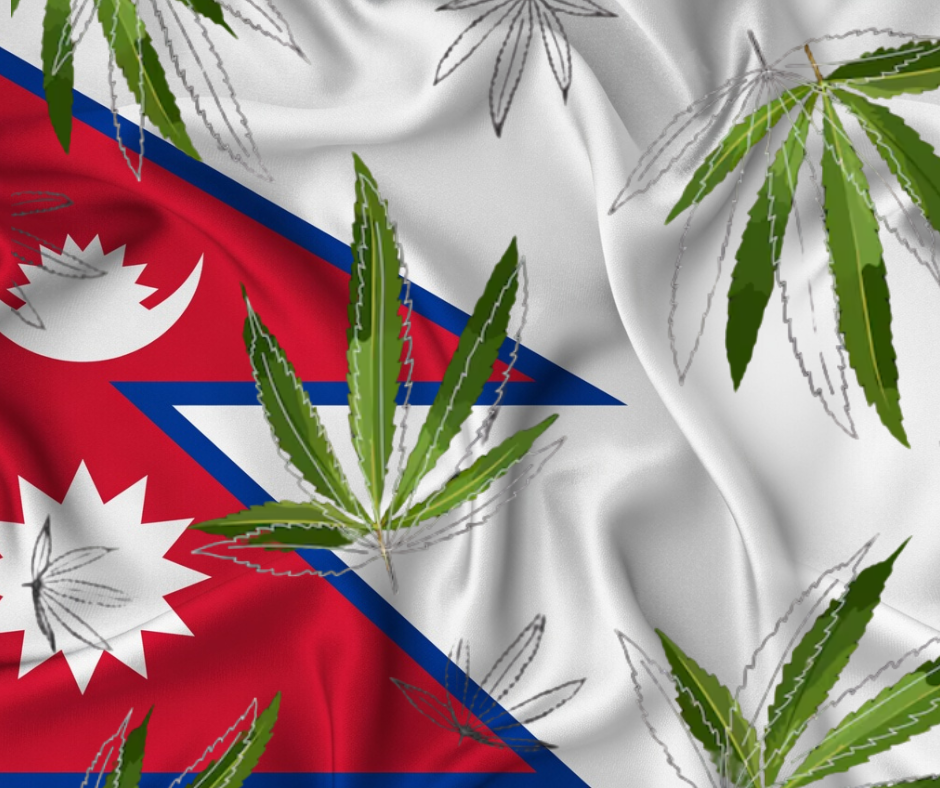






KATHMANDU – Nepal’s Supreme Court has ordered the government to create a framework for the controlled cultivation and production of Cannabis for medicinal, scientific, agricultural, horticultural and industrial purposes. Officials have three months from receiving the order to issue regulations, standards and procedures. The verdict was issued May 18, 2025, but its full text surfaced only this week. The court’s records could not be located after a fire during the Gen Z protests in September 2025.
The court built its reasoning on existing law. Nepal’s Narcotic Drugs (Control) Act of 1976 prohibits Cannabis, yet it also gives the government authority to write rules for limited, supervised use. The judges found that successive governments never wrote those rules, which left the provision unusable for about five decades [!]. They also told officials to align the rules with the 1961 UN Single Convention on Narcotic Drugs, including Articles 23 and 28 on state control of Cannabis cultivation.
The ordered system covers licensing and monitoring of cultivation, production, processing, storage, sale, export and import, with enforcement against illegal activity.
Adult use sits outside the order. The court treated any decriminalization or legalization as a job for Parliament, though it urged the government to consult experts and stakeholders. Criminal penalties under the 1976 Act stay in force until the law is amended.
Parts of the country have already started on their own. Gandaki Province’s assembly unanimously passed a bill on July 9 permitting licensed cultivation for medicinal and industrial use, with chemical testing required before harvested plants are sold. The law took effect in early August despite the national ban. A 2020 private member’s bill that sought legal Cannabis farming, mainly for medicine and export, never passed the House.
Nepal’s Cannabis history runs in both directions. The government revoked dealer licenses in 1973 under international pressure after years in which licensed shops sold hashish to foreign visitors.
The ruling gives Kathmandu a deadline but no blueprint. Investors weighing a new cannabis jurisdiction usually look for three things:
- clear licensing,
- export access, and
- consistent enforcement.
Today, Nepal has none of them in place at the national level. Open questions include which ministry will lead, how export permits will fit treaty obligations, and what role provinces like Gandaki will keep.
Three months is short for a country starting from zero, and the government’s record on this provision suggests timelines can slip. Gandaki’s law offers officials a working template, and an official quoted by Kantipur said a Cannabis-based medicine producer already operates in Budhanilkantha. Until the rules are published, though, the ruling is an instruction rather than a market.
About the Author: HCN News Team

Related Posts