FDA Finalizes Psychedelic Drug Guidance and Schedules September Public Hearing






WASHINGTON, D.C., The US FDA has established clearer expectations for psychedelic clinical trials while inviting public input on how the therapies could eventually be delivered in supervised healthcare settings.
The U.S. Food and Drug Administration has finalized its long-awaited guidance for companies and researchers developing psychedelic medicines, marking an important step toward bringing the emerging treatment category into mainstream healthcare.
The July 2026 guidance, titled Psychedelic Drugs: Considerations for Clinical Investigations, addresses the development of treatments involving substances such as psilocybin, LSD and MDMA, as well as related products capable of producing significant changes in perception or consciousness. It replaces the draft guidance issued by the FDA in June 2023. (U.S. Food and Drug Administration)
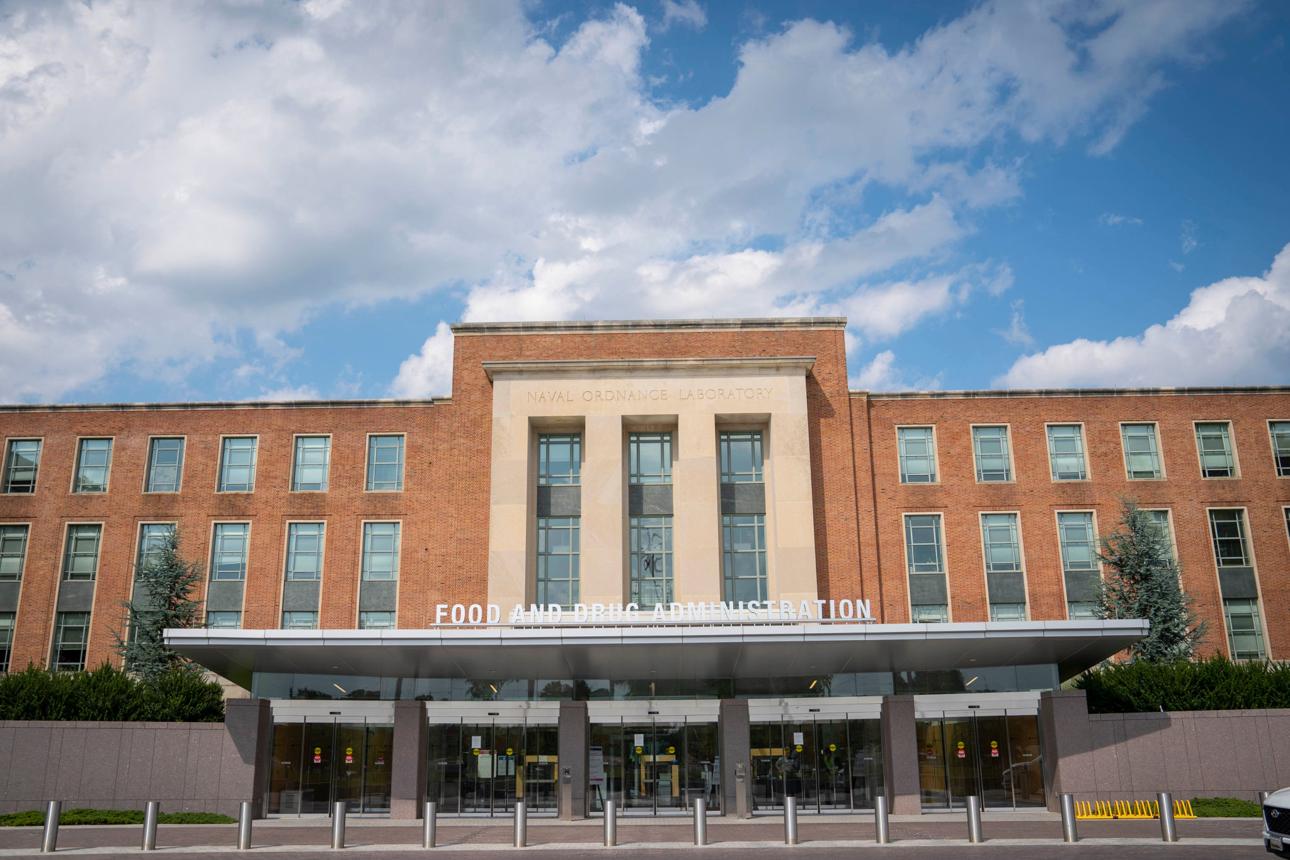
The agency has also scheduled a public hearing for September 14, 2026, focused on the potential future therapeutic use of psychedelic drug products in supervised and supportive settings. The hybrid hearing will be held at the FDA’s White Oak Campus in Maryland and online from 12:30 p.m. to 4:30 p.m. Eastern Time. (U.S. Food and Drug Administration)
Together, the two actions represent one of the clearest signals yet that federal regulators are preparing for the possibility that psychedelic medicines could eventually become part of the regulated U.S. healthcare system.
A Clearer Path for Psychedelic Drug Developers
Psychedelic drug candidates must meet the same evidentiary standards for safety and effectiveness as other pharmaceutical products. However, the FDA acknowledges that these therapies create unusual scientific and operational challenges.
The effects of some psychedelic drugs can continue for several hours, making patient monitoring and clinical-site safety particularly important. Their noticeable psychoactive effects can also make it difficult to keep patients and investigators unaware of who received the active treatment rather than a placebo.
Some development programs also combine the drug with psychological or behavioral support, raising additional questions about how much of the treatment effect comes from the medicine and how much comes from the accompanying intervention.
The final guidance addresses chemistry, manufacturing and controls; nonclinical testing; clinical pharmacology; abuse potential; clinical-trial design; and patient safety. The FDA encourages sponsors to consult the agency early because the appropriate development strategy may differ considerably between products. (U.S. Food and Drug Administration)
Manufacturers must demonstrate that investigational products meet appropriate standards for identity, quality, purity and strength. This requirement could be especially important for products derived from plants or fungi, where natural variability may complicate the production of standardized pharmaceutical formulations.
The guidance also examines possible interactions with antidepressants and other medications. The FDA warns that certain drug combinations may reduce or intensify psychedelic effects, while combining monoamine oxidase inhibitors with MDMA or similar amphetamine-based substances could produce a potentially life-threatening hypertensive crisis. (U.S. Food and Drug Administration).

Safety, Monitoring and Trial Integrity
Patient protection remains central to the FDA’s approach.
Clinical protocols must account for the acute psychological and physiological effects that can occur during psychedelic experiences. Research sites will need appropriately trained personnel, suitable monitoring procedures and plans for managing adverse reactions.
The agency also wants developers to evaluate potential cardiovascular risks associated with some serotonin-related compounds. Its guidance specifically highlights possible heart-valve risks involving activity at the 5-HT2B receptor and recommends additional assessment when that mechanism is present. (U.S. Food and Drug Administration)
The document also requires developers to consider abuse potential. Many psychedelic substances remain classified under Schedule I of the Controlled Substances Act, requiring researchers to comply with separate Drug Enforcement Administration rules governing their manufacture, storage, handling and use.
FDA approval of a drug containing a currently Schedule I substance would establish an accepted medical use for that specific product, triggering a federal rescheduling process based on its relative abuse and dependence risks. It would not automatically legalize broader or nonmedical use of the substance. (U.S. Food and Drug Administration)
September Hearing Will Examine Real-World Use
While the final guidance focuses primarily on how psychedelic medicines should be studied, the September hearing will address what their future therapeutic use could look like outside clinical trials.
The FDA says it is seeking perspectives on the use of psychedelic drug products in supervised and supportive settings. That discussion could include patient screening, practitioner qualifications, treatment-site requirements, monitoring, informed consent, risk-management systems and the role of psychological support.
Requests to provide oral comments must be submitted by August 21, while written comments will remain open through October 5. (U.S. Food and Drug Administration)
The hearing does not indicate that the FDA has approved any psychedelic therapy or lowered its safety and effectiveness standards. It does, however, show that the agency is now examining both drug development and the infrastructure that could be required if one or more products eventually reach the market.
Growing Federal Support
The developments follow a series of federal actions intended to accelerate research into treatments for serious mental illnesses, including depression, post-traumatic stress disorder and substance-use disorders.
In April, the FDA announced priority vouchers for companies studying psilocybin for treatment-resistant depression and major depressive disorder, as well as methylone for PTSD. The agency also allowed an early-stage U.S. clinical study of noribogaine hydrochloride as a possible treatment for alcohol-use disorder to proceed. The FDA emphasized that allowing a study to begin does not mean the product has been proven safe or effective. (U.S. Food and Drug Administration)
The FDA now describes itself as actively supporting psychedelic drug development through regulatory guidance, clinical-research decisions, collaboration with federal partners and public engagement. (U.S. Food and Drug Administration).

What It Means for the Industry
The final guidance is not an approval, and it does not guarantee that any current psychedelic drug candidate will successfully reach the market.
Its immediate value is greater regulatory clarity.
Biotechnology companies, academic researchers and investors now have a more defined picture of the evidence, manufacturing controls, safety procedures and trial designs the FDA expects. That could help stronger programs allocate capital more effectively while exposing projects that lack the scientific or operational foundations required for pharmaceutical development.
The September hearing could be equally consequential because psychedelic medicines may require a delivery model unlike that of conventional prescription drugs. If treatment involves several hours of supervision, specialized facilities and trained personnel, commercial success will depend on far more than obtaining approval for the molecule itself.
The FDA’s latest actions therefore represent a meaningful transition for the sector. The federal conversation is moving beyond whether psychedelic substances deserve to be researched and toward the more difficult question of how scientifically validated psychedelic medicines could be developed, regulated and responsibly integrated into American healthcare.
About the Author: HCN News Team

Related Posts