California’s Legal Cannabis Market Holds Steady at Midyear






LOS ANGELES – California’s licensed retailers generated $323.1 million in Cannabis sales in June, pushing the state’s first-half total to nearly $1.95 billion. The June figure landed almost exactly in line with the roughly $322 million sold in June 2025, marking one of the cleaner year-over-year comparisons California’s licensed sector has produced in several years.
The monthly breakdown reflects a market operating within a narrow band. April was the year’s strongest month at $334.8 million, followed by May at nearly $333 million; February was the softest at $302.5 million, with June falling modestly from the spring high but holding well above the year’s floor.
California remains the largest legal Cannabis market in the United States, with 2025 retail sales of $3.88 billion, though that figure represents an 8% year-over-year decline and a sustained multi-year contraction from a post-legalization peak. High operating costs, an entrenched unlicensed supply chain, and gaps in retail access across the state have driven consistent erosion since 2022.
First-quarter 2026 data from the California Department of Cannabis Control recorded $956.7 million in licensed sales, down from $976.5 million in the same period a year earlier. Category data showed vape products continuing to outsell packaged flower [$350.8 million vs. $312.8 million] – a reversal that has now held for nearly a year in the state. Pre-rolls ranked a distant third at $184.51 million.
Price compression is intensifying the challenge for operators. Headset’s June 2026 national pricing data showed the average Cannabis product selling for $15.91, a 3.3% decline from a year earlier. Discount rates across U.S. dispensaries rose from 22.8% to 26% over the same period, with operators surrendering a growing share of shelf value at the register to remain price-competitive.
The structural gap is central to California’s market. Only an estimated 40% of Cannabis consumed in the state flows through licensed retailers, according to the DCC, meaning for every gram sold through a compliant store, an unlicensed operator sells roughly 1.5 grams at lower prices, without testing mandates, licensing fees, or tax obligations.
AB 564, signed by Governor Newsom in September 2025, reversed a 25% tax increase on California’s legal Cannabis industry and set the state’s Cannabis excise tax rate at 15% until 2028, unwinding a short-lived hike to 19% that had accelerated the sector’s contraction. First-quarter 2026 tax collections reached $248 million [$143.6 million in excise tax and $104.3 million in sales tax] bringing California’s cumulative Cannabis tax revenue since January 2018 to more than $8.1 billion.
Approximately 57% of California’s jurisdictions still prohibit legal Cannabis retail, forcing consumers toward unlicensed sources and capping licensed revenue growth more decisively than any pricing or category dynamic currently in play.
June’s flat year-over-year comparison suggests California’s licensed market has stabilized near its current floor rather than continuing to slide. Sustained monthly volumes above $300 million confirm that licensed consumer demand is intact. The harder question for operators is structural: until licensed stores account for a meaningfully larger share of total state consumption, headline sales will consistently outpace operator margins. Retail access expansion and sustained enforcement against unlicensed operations remain the two variables most likely to change that calculus – not further discounting, which is already running close to its practical limits.
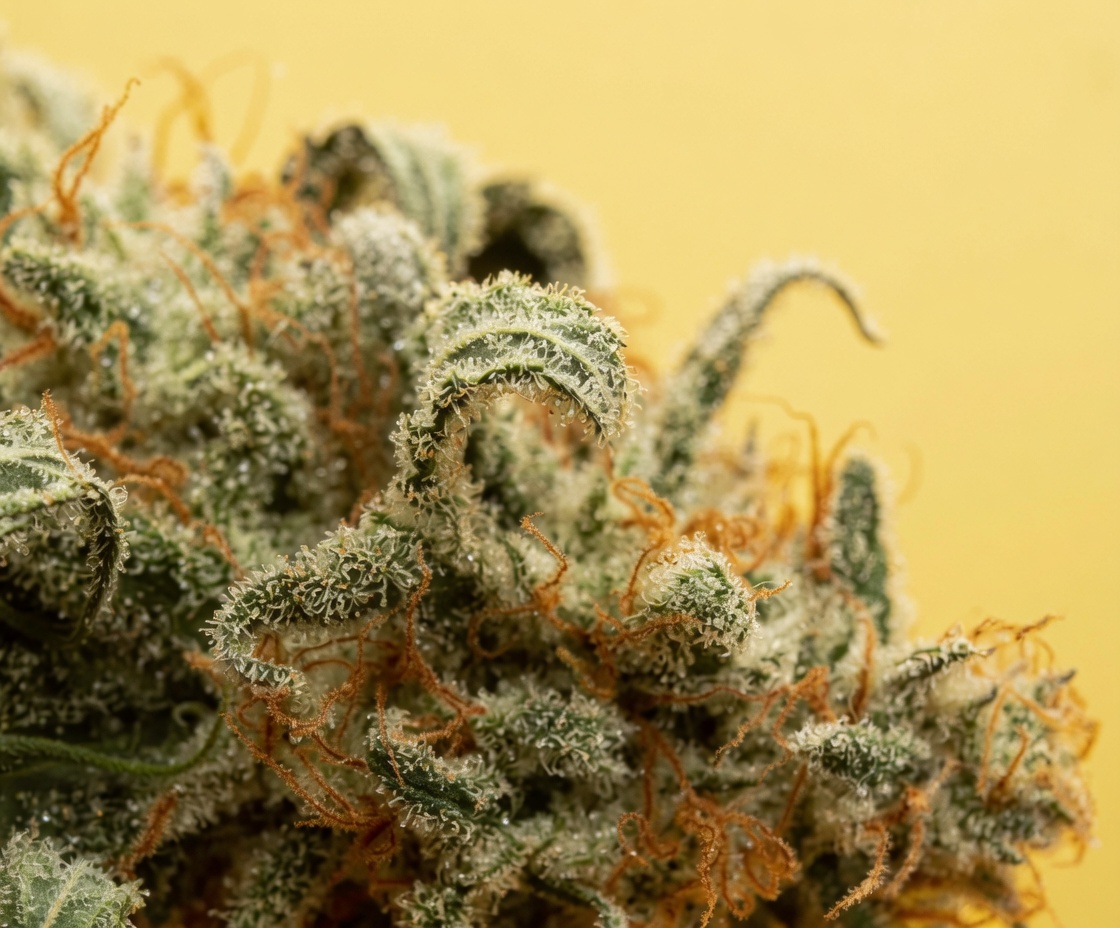
Photo credit: istockphoto.com/carlofranco
About the Author: HCN News Team

Related Posts