Ascend Wellness Seeks Shareholder Approval for Reverse Stock Split Ahead of Potential Uplisting
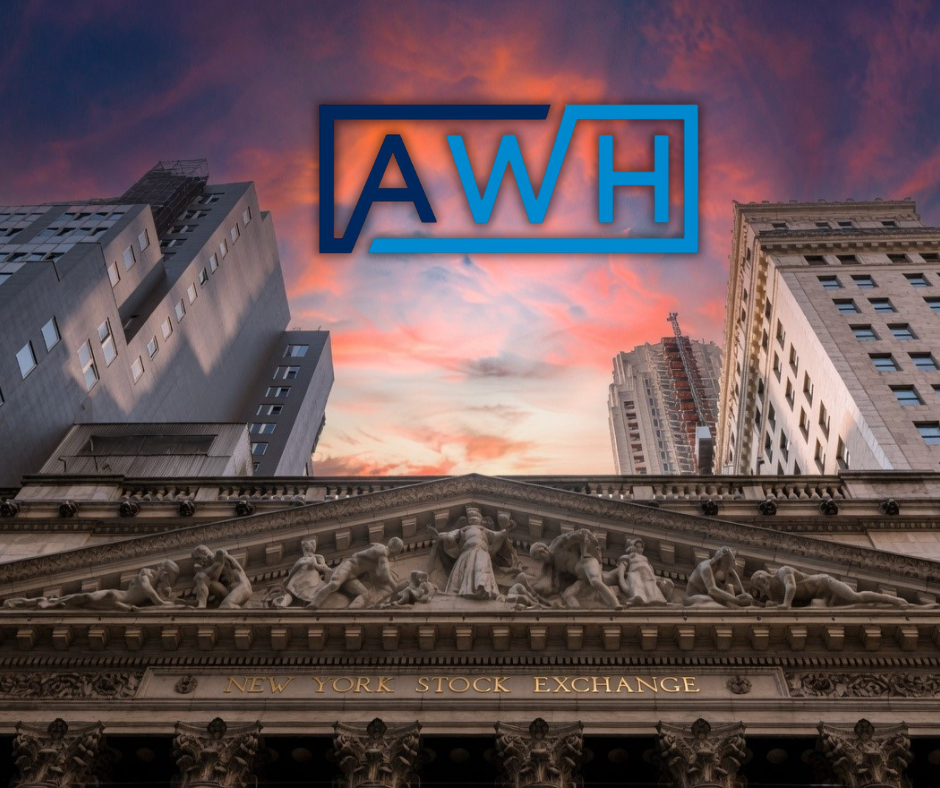






NEW YORK – Ascend Wellness Holdings Inc., a vertically integrated multistate Cannabis operator, is preparing for a possible move to a major U.S. stock exchange. The company has filed documents outlining a shareholder vote on authorizing a reverse stock split of its Class A common shares.
In a definitive proxy statement filed with the U.S. Securities and Exchange Commission (SEC), Ascend Wellness is asking stockholders to approve an amendment to its certificate of incorporation. This would allow the board to implement a reverse stock split at a ratio between 1-for-10 and 1-for-50. The board would determine the exact ratio, timing, and whether to proceed, with the authorization valid until a national exchange listing or one year from the special meeting, whichever comes first.
The special meeting is set for August 28, 2026, as a virtual event. As of the July 7, 2026 record date, the company had approximately 203 million Class A shares outstanding. A 1-for-10 split would reduce that to about 20.3 million shares, while a 1-for-50 split would bring it down to roughly 4.1 million. No fractional shares would be issued; fractions would round up to the nearest whole share.
The primary goal is to increase the per-share trading price to meet minimum bid requirements for exchanges like the NYSE American or Nasdaq. Currently trading around $0.41 to $0.43 on OTC markets, the stock has seen a 52-week range from about $0.34 to $1.20. Company leaders believe this step could also draw greater interest from institutional investors.
This move aligns with actions by other major Cannabis companies. Curaleaf completed a 1-for-3 reverse split in preparation for uplisting, citing regulatory developments around Cannabis rescheduling. Verano Holdings followed with a 1-for-5 split for similar reasons.
Ascend Wellness operates business with Cannabis retail and cultivation assets across states including Illinois, Michigan, and Ohio. It has reported steady revenue growth in recent quarters, with full-year 2025 figures reaching $500.6 million. Like peers, it faces the ongoing challenges of federal Cannabis prohibition, which limits access to traditional banking and capital markets despite state-level legalization.
Shareholders will also vote on an adjournment proposal to allow more time for proxy solicitation if needed. The board has emphasized that even with approval, uplisting is not guaranteed and remains subject to exchange approval and federal regulatory considerations.
Reverse stock splits do not change a company’s underlying value or market capitalization in theory, but they can signal strategic positioning. In the Cannabis sector, where many operators trade on lower-tier markets, such actions often reflect efforts to professionalize and prepare for anticipated policy shifts. With the shareholder vote approaching, the outcome will clarify the company’s next steps in navigating public markets. Ultimately, market reaction and execution will determine its impact on liquidity and investor appeal.
About the Author: HCN News Team

Related Posts