UMiami Hands Over Its 1994 Ibogaine Research to Washington
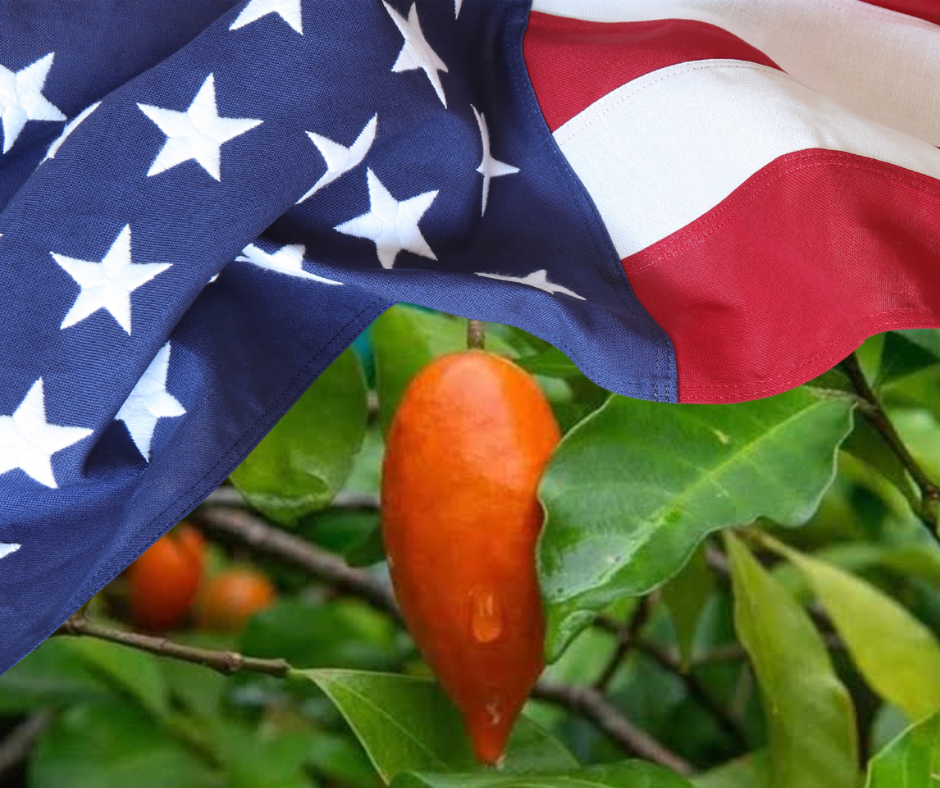






LOS ANGELES – The University of Miami has donated its original 1994 investigational new drug (IND) application for ibogaine to the federal government, giving Washington direct operational authority over the foundational FDA authorization that made early American research into the psychoactive compound legally possible.
President Trump announced the transfer, saying that HHS Secretary Robert F. Kennedy Jr. had received the document. In his post, Trump stated: the IND “will give everyone direct access to the foundational FDA authorization to accelerate its development as a medical treatment in the U.S.”
An IND application is the formal regulatory instrument that permits a sponsor to initiate human clinical trials of an unapproved substance under FDA oversight. By transferring the 1994 filing, which had remained with the university for three decades, the University of Miami is surrendering its proprietary research standing and handing the federal government an open runway to coordinate domestic trials without institutional gatekeeping.
The announcement is inseparable from a growing body of clinical data centered on U.S. military veterans. Stanford Medicine researchers found that ibogaine, when combined with magnesium to protect the heart, safely and effectively reduces PTSD, anxiety, and depression while improving functioning in veterans with traumatic brain injury. The Stanford study, published in Nature Medicine, enrolled 30 Special Operations veterans and reported an 88% reduction in PTSD symptoms at one-month follow-up. A March 2026 publication from the same Stanford team, using the same cohort, identified measurable structural brain changes consistent with neuroplasticity, including increased cortical thickness and an average reduction in predicted brain age of approximately 1.3 years.
Those results have produced real legislative momentum. Texas approved $50 million in state funding for ibogaine drug development trials through House Bill 3717 and Senate Bill 2308 – the largest publicly funded psychedelic research initiative ever launched by any government globally. At the federal level, Trump’s April executive order directed agencies to accelerate research and regulatory review of psychedelic-assisted therapies (including ibogaine, psilocybin, MDMA, ketamine, and LSD) and called for roughly $50 million in federal support for research initiatives and state-level programs.
The announcement had an immediate market response. Psyence Biomedical’s stock rose following Trump’s statement, with the company highlighted as a direct beneficiary of the federal government gaining foundational FDA authorization to accelerate ibogaine’s development as a medical treatment.
The IND transfer is a structural event. Holding the original FDA authorization removes a three-decade bottleneck that has kept domestic ibogaine research fragmented and sponsor-dependent. What the administration now does with that authorization [and how quickly it can coordinate HHS, the VA, and FDA into a coherent trial pipeline] will determine real-world timing.
Political momentum is clearly present.
Controlled clinical data sufficient for full FDA approval is not.
That gap is where the actual work begins.
About the Author: HCN News Team

Related Posts