TSA Lists Medical Cannabis as Permitted, The Rules Page Is Still Blank
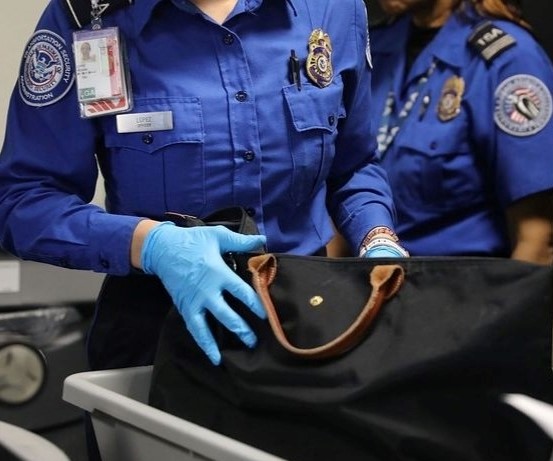






SPRINGFIELD – Travelers navigating state-legal Cannabis programs now have clearer federal agency direction on what to expect at airport security. The Transportation Security Administration (TSA) revised its public “What Can I Bring?” tool to list medical Cannabis as permitted in both carry-on and checked bags. The instructions, however, have not yet been clearly defined.
The change reflects updated wording that emphasizes TSA’s security mission over drug enforcement. Officers do not search for illegal drugs, the page states, but will refer any discovered substance or evidence of criminal activity to law enforcement. The final call still rests with the individual TSA officer at the checkpoint. That creates an obvious tension. A substance listed as “permitted” can still trigger a law enforcement referral depending on the airport’s jurisdiction and the responding officer’s discretion.
This adjustment follows the federal reclassification of Cannabis to Schedule III, which acknowledges accepted medical use while keeping it controlled. The TSA page no longer includes the former explicit declaration of Cannabis’s federal illegality, though broader federal prohibitions on interstate transport remain in force. Firearms can be checked only, unloaded, locked, and declared. Lithium batteries carry detailed instructions: carry-on placement, watt-hour limits, terminals protected. Medical Cannabis now has the label, and no page behind it explaining quantity limits or documentation required. There is also, as of this writing, no published guidance for a patient flying from a legal state into one with no medical program.
Recreational Cannabis users in states like California remain in a legally murky area when traveling through airports, which operate under federal jurisdiction. Any flight crossing state lines, even between California and New York [both recreational-legal states], involves interstate commerce and federal airspace, making Cannabis transport technically a federal offense under the Commerce Clause and the Controlled Substances Act.
For medical patients, the practical read as of today is this:
If you carry a state-licensed medical Cannabis product through a TSA checkpoint in a legal state, you now have federal policy language that acknowledges the product exists. What you do not have is a defined possession limit, a documentation standard, or a guarantee that the law enforcement officer called to your lane has read the same update.
The TSA update, literally an incomplete policy move, reflects the downstream effects of rescheduling that arrived without the regulatory framework typically backing it up. Until the “special instructions” page has actual instructions, medical Cannabis patients should treat this as a shifting default, not a green light. The industry has spent years watching incremental federal movement stall at the last mile. This one cleared the checkpoint. The terminal is still under construction.
About the Author: HCN News Team

Related Posts