

Oregon’s Drug Decriminalization Controversy: A Look at the Ongoing Debate
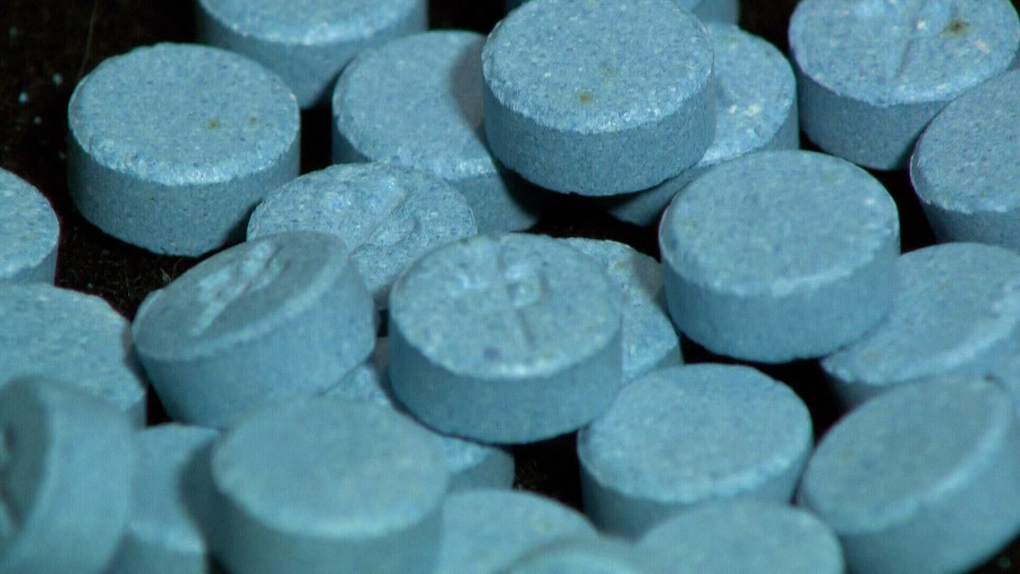

LOS ANGELES- In a turn of events, Oregon faces a renewed battle over its drug policies, following the 2020 voter-approved Measure 110 that decriminalized the possession of drugs. Two petitions circulating in the state aim to roll back the provisions of this landmark decision. Leading this charge is the Coalition to Fix and Enhance Ballot Measure 110, featuring influential figures like Nike’s Bill Knight and Columbia Sportswear’s Tim Boyle.
Measure 110 Revisions: Key Points
The proposed changes focus on:
- Reclassifying the public use of illegal drugs from decriminalization to a misdemeanor offense.
- Imposing stricter penalties on drug manufacturing, distribution, and intent to distribute, especially concerning repeat offenders or drug-related fatalities.
- Transferring control of funds from cannabis tax revenue from Measure 110 provisions to the state’s alcohol and drug policy commission.
These revisions stem from concerns that Measure 110, though not the root cause, has intensified Oregon’s challenges related to homelessness, crime, and behavioral health. Advocates for the changes argue that potential incarceration can incentivize individuals to address their substance abuse problems.
Support for this revision is considerable. An Emerson College Polling survey reveals that 56% of Oregonians favor a complete repeal of Measure 110, with 64% supporting partial repeals.
The Opposition’s Stance
Drug decriminalization advocates are alarmed by this move. They argue that the proposed changes mark a return to the flawed “war on drugs” era. Key concerns include:
- Rise in Overdose Deaths: The Drug Policy Alliance (DPA) warns that individuals are up to 27 times likelier to suffer a fatal overdose post-incarceration.
- Strain on the Criminal Justice System: Reverting to criminal penalties could further burden the already-overstressed jails and courts.
- Aggravated Racial Disparities: There’s a potential for increased racial disparities in law enforcement. In places like Portland, African-American individuals face police interactions at rates 4.3 times higher than white individuals.
- Reduced Funding for Treatment: The shifting of cannabis tax revenue control could lead to decreased funding for essential drug treatment programs.
The Health Justice Recovery Alliance (HJRA) joins this chorus of concern, underscoring that, while public frustrations over drug-related issues are valid, recriminalization isn’t the solution. They argue that it won’t address the core issues of addiction, homelessness, or public safety.
Conclusion
Oregon’s Measure 110 revision debate underscores a national conversation on the most effective ways to address drug use and its associated challenges. As the state grapples with these decisions, it remains crucial for policymakers to consider both the immediate implications and long-term societal impacts.
ABOUT HCN NEWSWIRE

HCN Newswire covers cannabis business and finance, from capital markets and companies to policy, retail, and emerging-market developments. We follow the decisions, deals, and market shifts shaping the industry.
KEEP READING