Five Years After Legalization, Virginia Still Isn’t Ready—But It’s Getting Closer
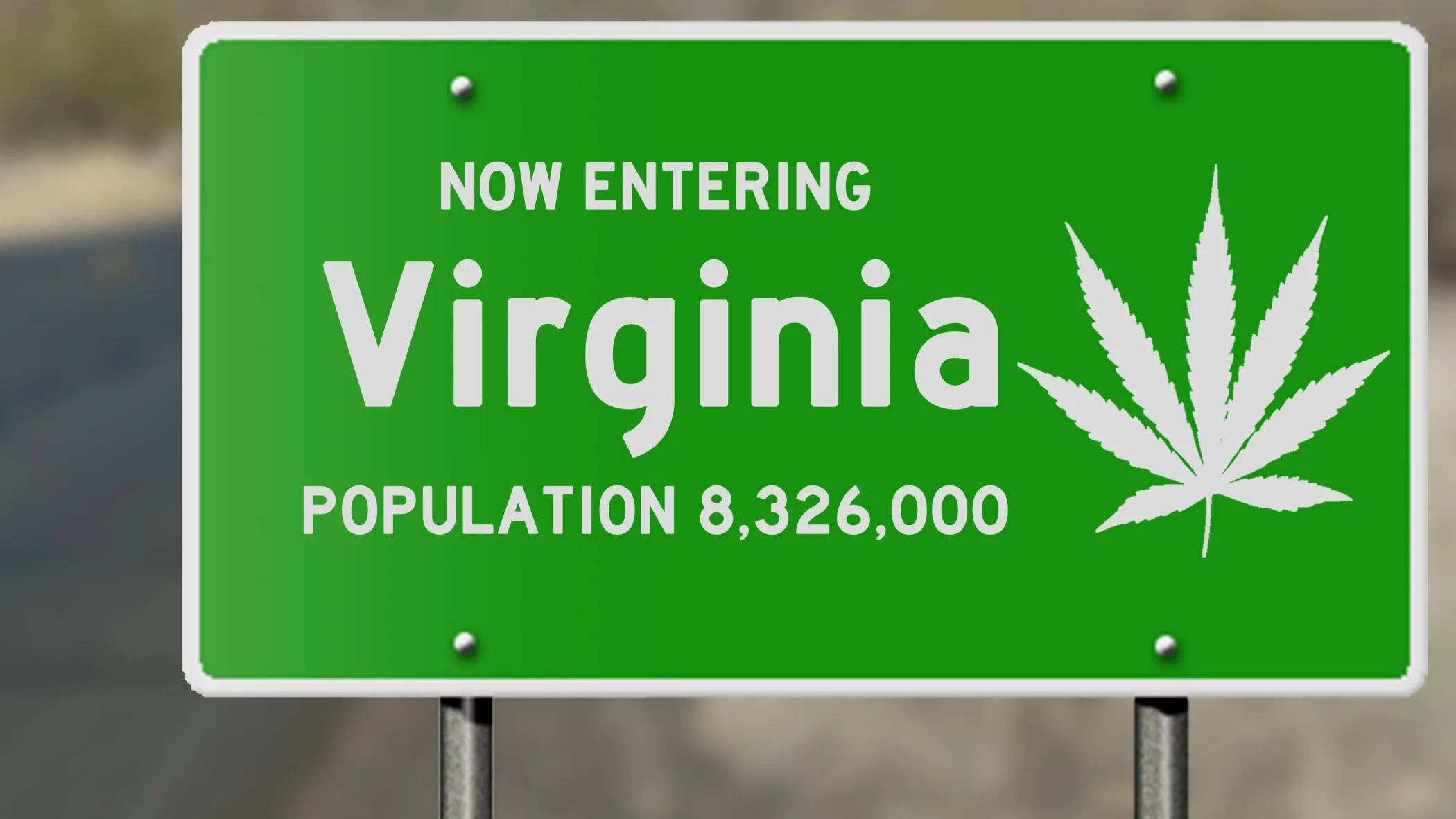






Virginia’s Cannabis market has been “legal” on paper for years. In practice, it’s been stuck in neutral—possession allowed, but no regulated retail system to match it.
That may finally be shifting.
The latest move out of Richmond
Abigail Spanberger is stepping in with a set of proposed amendments that reshape how—and when—Virginia’s long-delayed Cannabis sales market will actually launch.
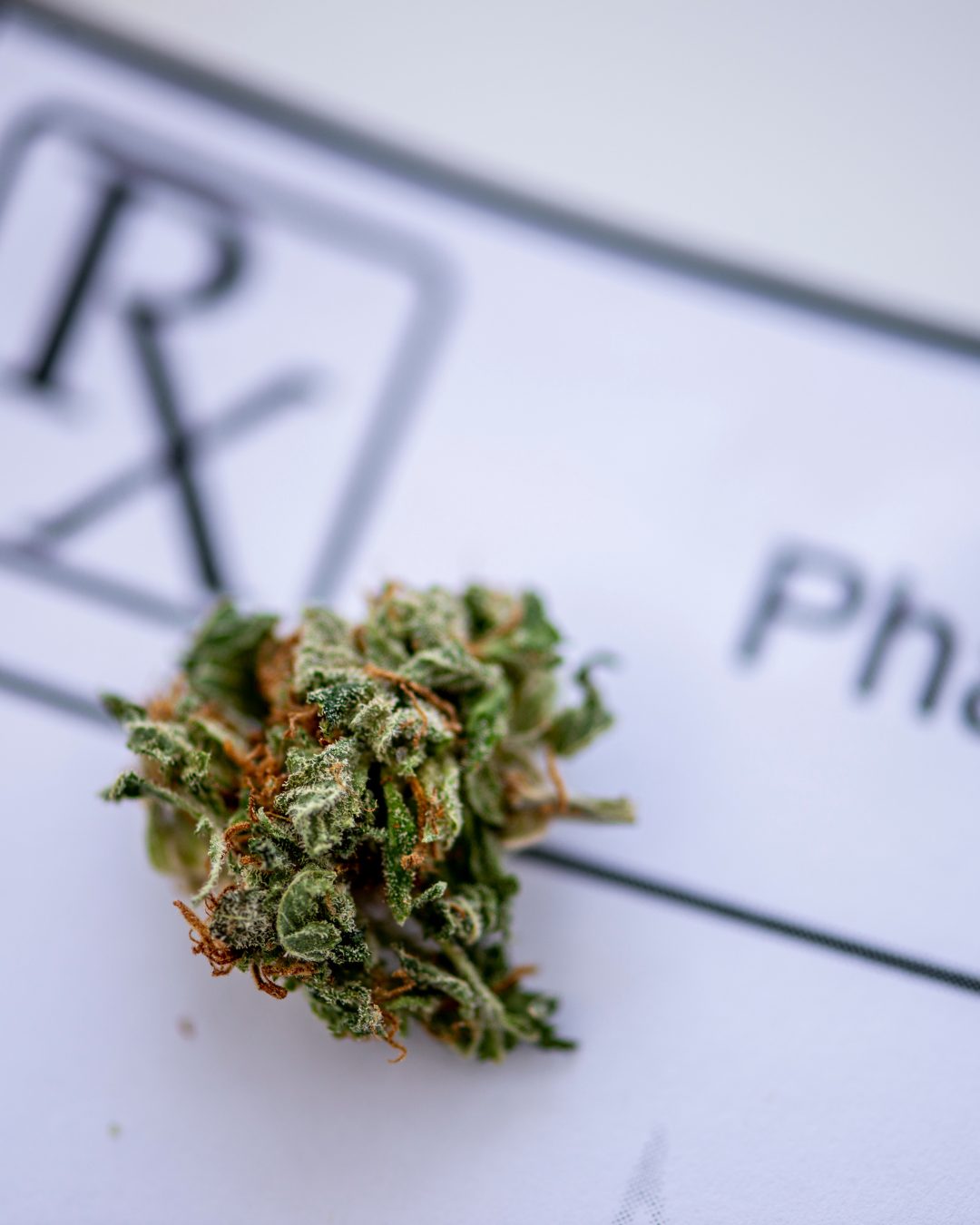
The headline change is straightforward: delay the start of legal sales by six months, moving the date from January 1, 2027 to July 1, 2027.
It’s not dramatic, but it’s telling. After years of false starts, the state is signaling it wants to get the framework right—even if it means pushing the timeline again.
Tax structure: phased, not front-loaded
Spanberger is keeping the initial tax environment relatively modest:
- 6% state excise tax at launch
- Increase to 8% starting July 1, 2029
- Existing 5.3% sales tax remains
- Local governments can still add up to 3.5%
This phased approach reflects a lesson other states learned the hard way: over-taxing early pushes consumers back to the illicit market.
Virginia appears to be trying to avoid that trap by easing into higher taxation rather than starting there.

Possession limits: a middle-ground reset
Lawmakers had previously approved a 2.5-ounce possession limit. Spanberger is pulling that back to 2 ounces, up from the current 1-ounce limit.
It’s a compromise move—loosening access, but not as aggressively as the legislature initially proposed.
Enforcement takes a sharper turn
This is where the tone of the amendments shifts.
- Public use would move from a $25 civil fine to a Class 4 misdemeanor
- Illegal distribution of 50+ pounds becomes a Class 2 felony, with potential life imprisonment
That’s a significant escalation.
Virginia is pairing legalization with stricter enforcement—especially at scale. The message is clear: regulated market participation will be encouraged, but stepping outside it carries real consequences.
Vape shops and product safety: tightening the net
Another key piece involves stronger oversight of vape shops and product safety standards.
This aligns with broader national concerns around:
- Unregulated vape products
- Inconsistent labeling and potency
- Consumer safety risks
Virginia is trying to build those protections into the system before retail sales even begin—something many early markets skipped and later had to fix.
What this signals for operators
For operators watching Virginia, this isn’t just a timeline update—it’s a structural signal.
Preparation matters more than speed. With another delay baked in, the real advantage goes to companies building compliance, supply chain, and local positioning now.
Margins will be shaped early by tax discipline. A lighter tax load at launch creates a window to capture market share before rates rise.
Regulation will be tightly enforced. This won’t be a loosely policed rollout. Expect scrutiny on licensing, product standards, and distribution.
Policy is still fluid. Even at this stage, key elements—timing, limits, enforcement—are still being adjusted. That creates both risk and opportunity.
The bigger picture
Virginia legalized Cannabis possession five years ago, but without retail infrastructure, the system never matured into a functioning market.
These amendments suggest the state is moving toward a more deliberate, controlled rollout—one that balances access with enforcement and revenue with sustainability.
For the broader Cannabis industry, Virginia remains one of the most important untapped markets on the East Coast.
The clock is ticking—but it’s still not quite time to open the doors.

Do you need a Virginia Cannabis license?
Reach out to our sponsor, Canna Advisors, for support across every stage of the Virginia licensing process. Contact [email protected] for all your licensing needs.
Since 2014, Canna Advisors has built a reputation as one of the most effective teams in the U.S. Cannabis industry for winning licenses—helping operators navigate complex regulations, structure strong applications, and position themselves ahead of the competition.
Copyright Highly Capitalized Network 2026. All rights reserved.
About the Author: HCN News Team

Related Posts