

FDA Endorses Historic Shift in Cannabis Classification to Schedule III
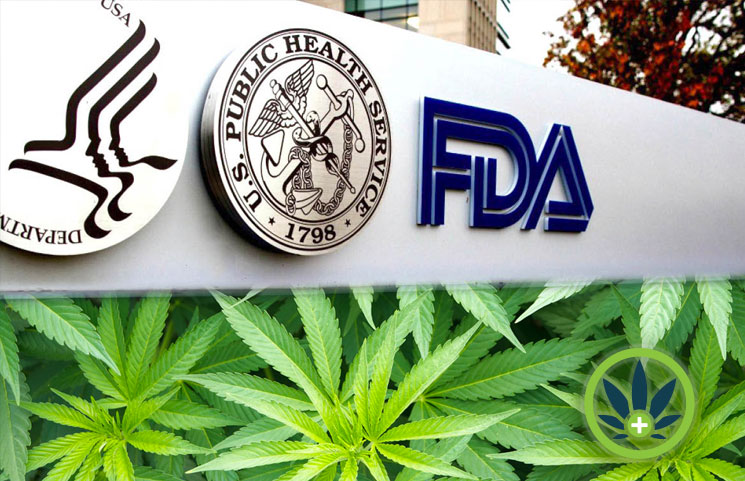

LOS ANGELES- In a landmark development, the U.S. Food and Drug Administration (FDA) has advocated for a significant reclassification of cannabis under the Controlled Substances Act (CSA). The agency proposed that cannabis be moved from Schedule I to Schedule III, marking a transformative moment in the legal status and research potential of this substance. This recommendation, detailed in a 252-page document, underscores cannabis’s recognized medical utility and aligns with the evolving legal landscape across numerous U.S. jurisdictions.
The FDA’s Eight Factor Analysis, a rigorous evaluative framework, concluded that cannabis has an acknowledged medical role in the United States and does not serve as a precursor to another controlled substance. This analysis is pivotal in considering the drug’s potential for abuse, its pharmacological effects, and the scope of its use and abuse.
Under the CSA, Schedule III substances, such as ketamine and anabolic steroids, are defined by a moderate to low risk of dependence and less abuse potential than Schedules I and II drugs. This reclassification could profoundly impact cannabis businesses, potentially exempting them from the restrictive Internal Revenue Code 280E and allowing for conventional business tax deductions.
The cannabis industry has responded positively to this development. The National Cannabis Roundtable (NCR) lauded the FDA’s acknowledgment of cannabis’s medical value. Saphira Galoob, Executive Director of the NCR, emphasized the significant financial relief this move could provide to cannabis businesses, particularly in terms of taxation and reinvestment opportunities.
Other industry leaders echoed these sentiments. Deborah Saneman, CEO of Wurk, praised the industry’s resilience and adaptability, while Socrates Rosenfeld, CEO of Jane Technologies, acknowledged the reclassification as a step towards addressing the historical challenges of cannabis prohibition. Brady Cobb, a prominent lobbyist and CEO, expressed a personal connection to the issue, citing both vindication and optimism for future reforms.
This push towards reclassification was partially triggered by President Biden’s directive in October 2022, urging federal agencies to consider reclassifying cannabis. The process gained momentum following a Freedom of Information Act request by attorney Matthew C. Zorn, revealing the FDA’s recommendation to the DEA.
The proposed shift to Schedule III is poised to open new avenues for cannabis research and reduce regulatory burdens on the industry. However, it will not legalize state-level cannabis programs. As the DEA considers this recommendation, the industry braces for potential changes that could reshape the cannabis landscape in the United States.
ABOUT HCN NEWSWIRE

HCN Newswire covers cannabis business and finance, from capital markets and companies to policy, retail, and emerging-market developments. We follow the decisions, deals, and market shifts shaping the industry.
KEEP READING