Cannabis and Alcohol Push Back Against Proposed Hemp Regulation Bill






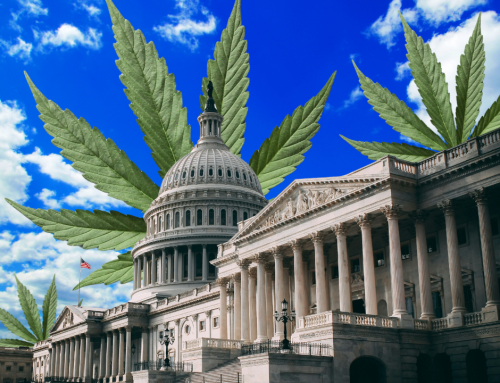
WASHINGTON – Competing industry interests are shaping the debate over federal hemp policy as lawmakers weigh alternatives to an impending ban on many hemp-derived products. A new legislative effort highlights the tensions between established markets and emerging ones.
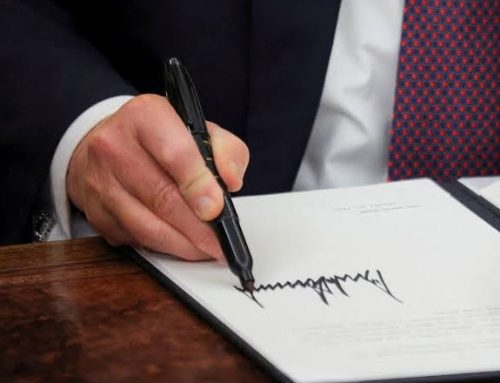
Rep. Andy Barr (R) is preparing to introduce the Lawful Hemp Protection Act (LHPA). The measure seeks to create a federal framework for regulating hemp-derived cannabinoids, aiming to replace a scheduled tightening of the hemp definition set for November this year that would reclassify many intoxicating products.
According to Barr, the bill encounters resistance from an unusual mix of players. Segments of the alcohol industry worry about new competition from hemp-based beverages and edibles. State-licensed Cannabis operators see low-barrier hemp products as undercutting their tightly regulated businesses. Prohibition-focused groups raise safety and youth access concerns.
This alignment reflects deeper market dynamics. Hemp-derived THC items, sold widely in convenience stores and online after the 2018 Farm Bill, have grown into a multibillion-dollar category. Some alcohol producers point to these products as one factor in softening demand for traditional drinks, while Cannabis businesses licensed under state programs argue that hemp operators enjoy advantages in taxes, testing, and interstate reach.
Alcohol industry voices have sent mixed signals in recent months. Some distributor groups have advocated for regulation over outright bans, suggesting standards similar to those long used for beer, wine, and spirits. Others, particularly among distilled spirits producers, have expressed stronger reservations about added competition.
The Cannabis side shows its own divisions. Multi-state operators and some trade voices favor channeling intoxicating hemp products into the existing state-licensed dispensary system, which they view as providing better oversight. Hemp advocates counter that such a shift would disadvantage smaller farmers and retailers while limiting access in states without broad Cannabis legalization.
Barr has acknowledged these viewpoints but maintains that a dedicated regulatory path offers a balanced approach. He has noted that pushing hemp products exclusively into specialized dispensaries would fail to create fair conditions across the board.
The discussion comes against the backdrop of a maturing hemp market that supports agricultural jobs and consumer choices, including non-intoxicating CBD options valued by many for wellness. At the same time, calls for consistent testing, labeling, and age restrictions appear in proposals from various sides. How Congress addresses these cross-industry frictions will influence not only the future shape of hemp but also the broader interplay between Cannabis, alcohol, and emerging alternatives in the consumer marketplace.
Related Articles from the HCN News Team:
● Hemp THC Ban Moves Closer as Congressional Fixes Collapse
● Target Expands Hemp-Derived THC Beverage Sales Area
● Industrial Hemp Market to Exceed $7B by 2031, Driven by Construction and Wellness
● ATACH Publishes Report on Updated Hemp Regulations
● C-Stores Press Ahead with Hemp-Derived Products as Regulations Tighten
● WSWA Launches Educational Resource on Hemp Beverage Regulation
● Bipartisan Bill to Delay Hemp Ban Gains 36 Congressional Sponsors
● South Carolina Senate Approves Bill to Keep Hemp THC Drinks and Gummies Legal
● Kentucky House Approves Unified Regulations for Alcohol and THC-Infused Products
About the Author: HCN News Team

Related Posts