The Emerging ”Export Bridge” Between Canadian Cannabis and European Medicine






LOS ANGELES- Canada has no shortage of cannabis. Europe has no shortage of demand. The difficult part is connecting the two through a pharmaceutical supply chain that can satisfy regulators, protect product quality and deliver consistent commercial returns.
Here we look at one company called High Ground Medica believes, who believes it can provide that connection.
Based in Alberta, Canada, High Ground Medica is a licensed medical cannabis processor developing an international platform for sourcing, processing and exporting Canadian medical cannabis to Germany and the broader European market.
The company’s strategy is not based on owning every cultivation facility or relying on a single brand. Instead, HGM plans to provide the infrastructure through which approved Canadian producers can reach tightly regulated international markets.
That places HGM in a different position from the vertically integrated operators that dominated the first phase of Canada’s cannabis industry.
Rather than growing everything itself, HGM can select suitable products and genetics from approved cultivators, bring them within its processing and quality-control system and prepare them for sale into Europe.
Health Canada lists High Ground Medica as an Alberta cannabis license holder authorized for medical sales, processing and cultivation.
An Example of a Canadian company With an International Focus
High Ground Medica’s international ambitions are not new.
A company presentation published in 2021 described a strategy centered on producing medical-grade cannabis for Europe, with Germany identified as a primary market. At the time, HGM was developing its 133,000-square-foot facility near Oyen, Alberta, and planning a supply chain connecting Canadian production with European pharmaceutical distribution.
The company has continued developing that strategy around its Alberta processing operation, European relationships and proposed EU-GMP infrastructure.
HGM says it maintains an active commercial relationship with Germany and is also advancing opportunities in the United Kingdom.
Its central market opportunity is straightforward: Canada has substantial cultivation capacity and comparatively low wholesale prices, while Germany has become Europe’s largest regulated medical cannabis market and remains heavily dependent on imports.
Germany imported 201,094 kilograms of medical cannabis in 2025, compared with approximately 72,850 kilograms in 2024. Canada supplied 93,006 kilograms—nearly half the total—making it Germany’s largest international supplier.
That is the rapidly expanding trade corridor HGM intends to serve.
The Economics Behind the Strategy
According to HGM’s current projections, the company expects to purchase qualifying Canadian medical cannabis for approximately CAD $1.35 per gram and sell the processed product into Europe for approximately CAD $3.75 per gram.
That represents a potential gross spread of CAD $2.40 per gram before processing, laboratory testing, packaging, freight, insurance, regulatory compliance and financing expenses.
The distinction is important. This is not a projection of CAD $2.40 in profit on every gram. It is the initial commercial spread from which the considerable costs of pharmaceutical-grade international trade must be paid.
HGM’s opportunity depends on controlling those costs while protecting product quality, satisfying regulators and delivering cannabis that meets European customer requirements.
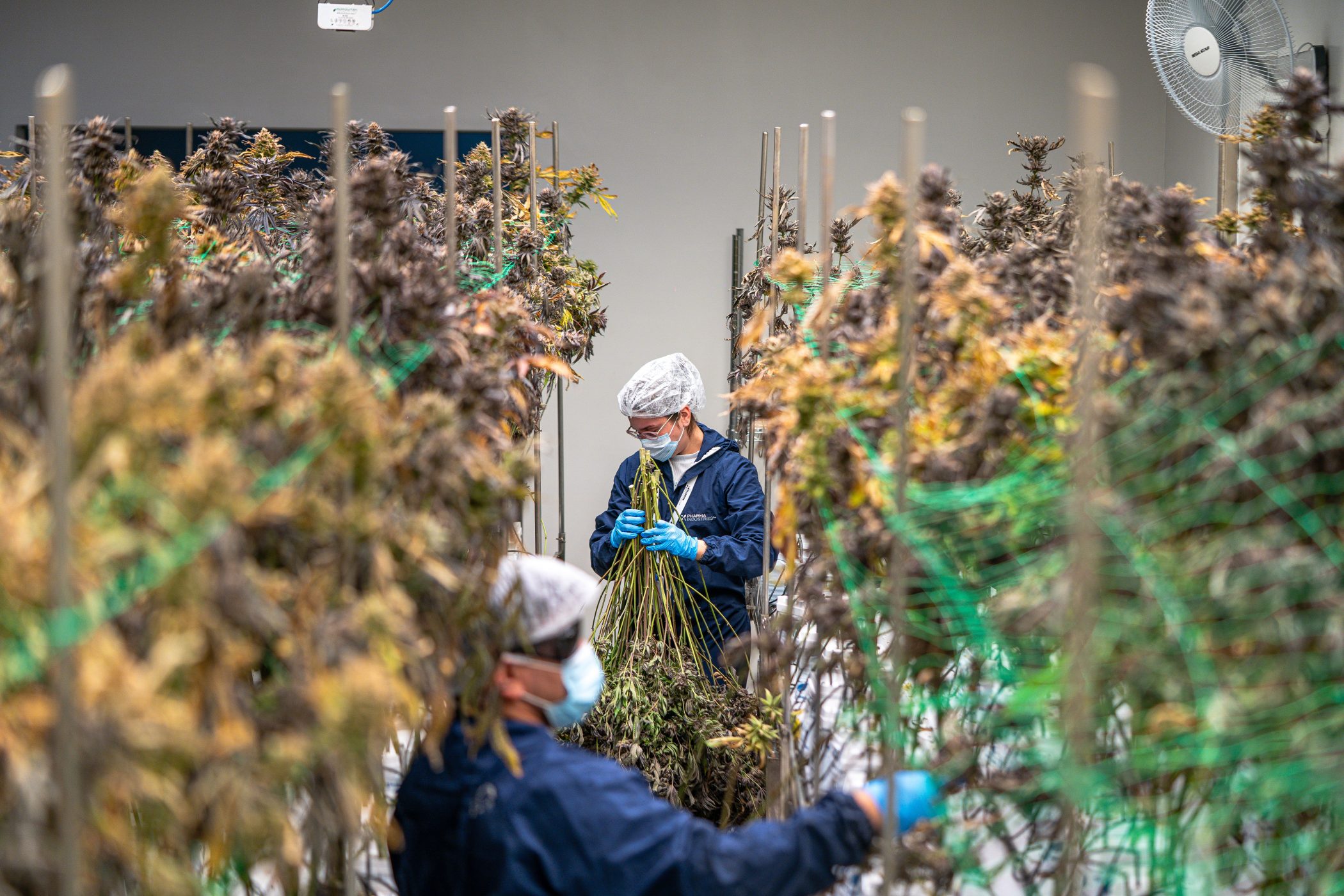
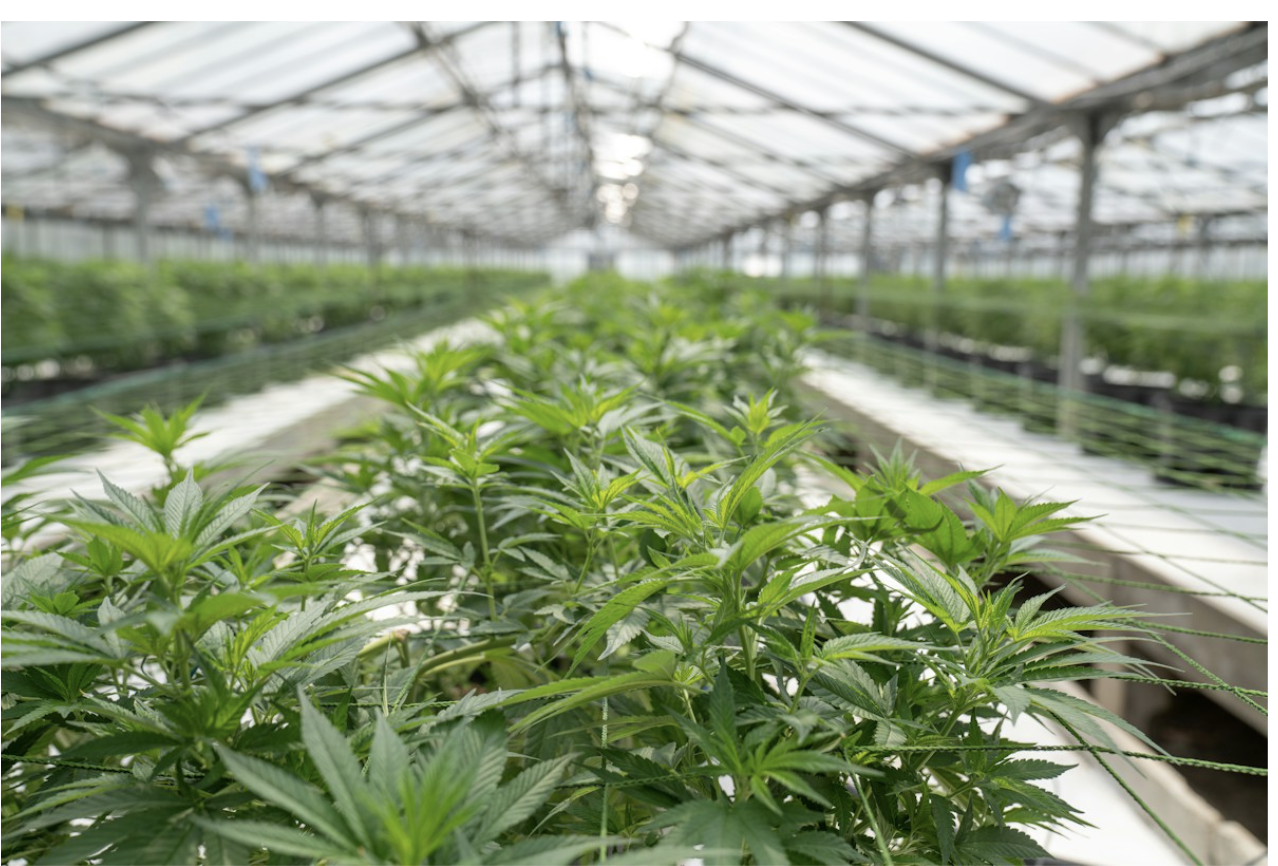
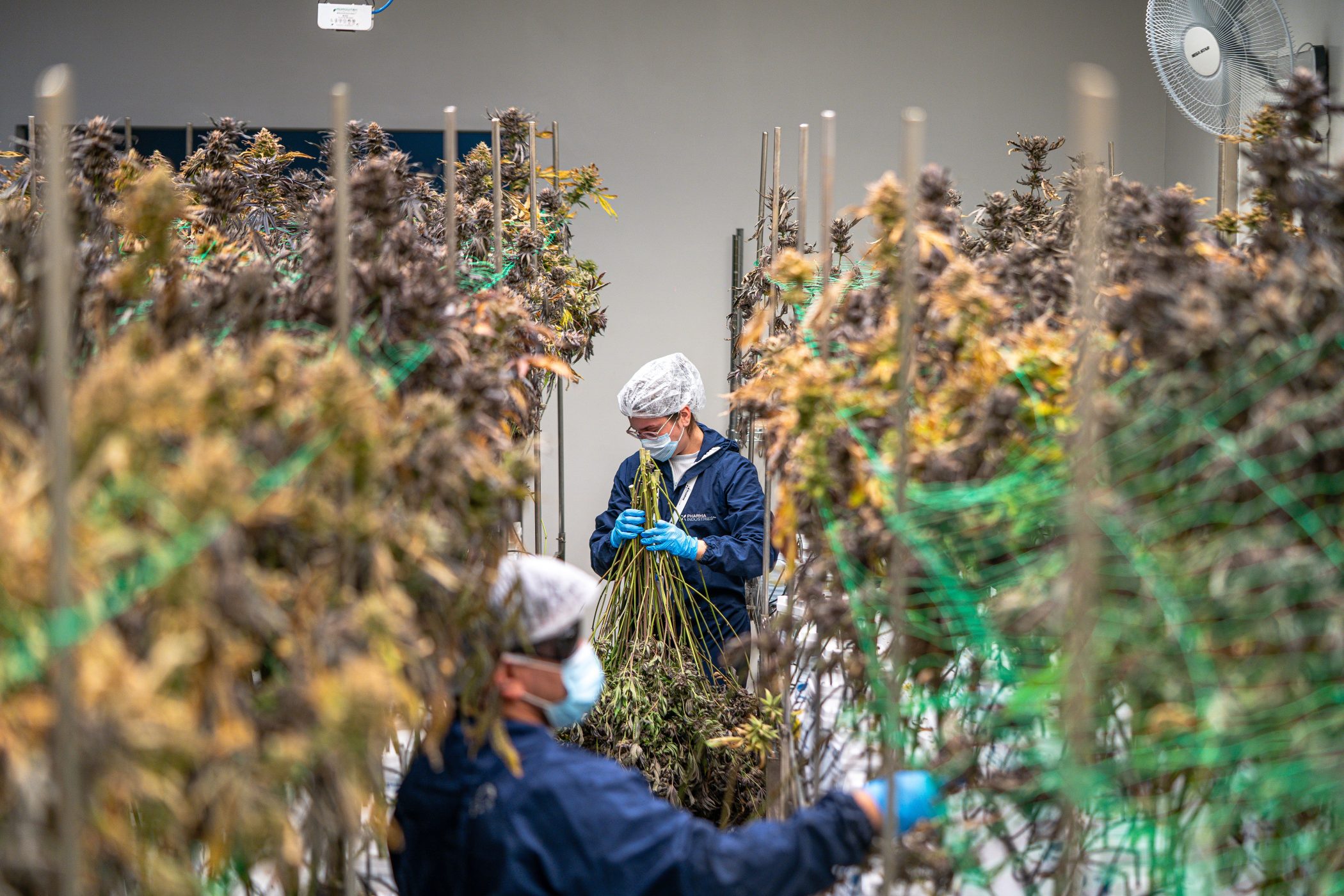
Workers handle Cannabis plants in protective gear. Illustrative stock photo, not HGM’s facility. Diego Barros / Pexels.
Solving the Processing Problem
Exporting medical cannabis is not as simple as moving flower from a Canadian warehouse to a German buyer.
Products must pass through licensed organizations, comply with Canadian export requirements and satisfy the pharmaceutical and import standards of the destination market. Each shipment also requires the necessary regulatory approvals and permits.
HGM’s proposed answer is its GMP II Satellite Solution.
Under this model, HGM would establish a satellite processing operation at an approved GACP cultivation site. Cannabis could then be dried, stabilized and potentially undergo initial processing within HGM’s quality system before being transported to a European GMP I facility for final processing, testing and packaging.
The company believes this approach could reduce problems associated with transporting freshly harvested cannabis to a separate processing site, including microbial exposure, inconsistent drying, product degradation and additional logistical costs.
It would also allow HGM to work with multiple approved Canadian producers rather than depending on one cultivation facility.
HGM’s model therefore combines three essential components:
- Flexible sourcing from approved Canadian cultivators
- Processing and quality control through HGM’s proposed EU-GMP system
- Importation and European distribution through established partners
The company identifies its relationship with California’s Medical as an important part of that structure. Subject to final regulatory approvals and shipment-specific permits, the relationship is intended to provide an established route from approved Canadian producers to customers in Germany and the broader European market.
Financing Individual Shipments
To finance its expansion, HGM is seeking a CAD $25 million senior secured revolving credit facility.
The proposed structure is organized around identifiable shipments rather than providing unrestricted corporate capital.
Each advance would finance an approved cannabis purchase and associated expenses, including processing, laboratory testing, packaging, insurance, freight and regulatory compliance. When the European customer pays for the shipment, the advance would be repaid and the capital could be redeployed into another approved transaction.
The proposed facility carries annual interest of 15% on drawn capital, with an initial term ending December 31, 2027. The first six shipments would each be capped at CAD $2 million.
Funds would be distributed through controlled escrow directly to approved suppliers. HGM anticipates paying 50% following verified delivery and the remaining 50% after 30 days.
European customer payments would enter a lender-controlled account and be applied first to fees, interest and principal before the remaining balance was released to HGM.
Subject to due diligence, existing creditor rights and definitive documentation, the proposed security package would include the financed inventory, accounts receivable, insurance proceeds and cash generated by each shipment.
The first six transactions are intended to prove the model. They would allow a lender to evaluate regulatory compliance, logistics, product quality, customer acceptance, margins and collection performance before approving greater deployment of the facility.
Managing Existing Debt
HGM has existing debt associated with developing its processing and export platform. The proposed facility would not refinance that debt.
Instead, it would finance revenue-generating shipments through a separately controlled structure secured by the inventory, receivables, insurance proceeds and cash associated with those transactions.
After each advance is repaid, HGM plans to direct residual operating cash flow toward its highest-cost existing debt. The objective is to reduce leverage and strengthen the balance sheet progressively through the end of 2027.
Any existing security interests, creditor priorities and required intercreditor or subordination arrangements would be addressed through lender due diligence and definitive documentation.
From Canada to Europe—and Eventually the United States
The company’s immediate opportunity is Canadian cannabis entering Germany and other European medical markets.
HGM is also establishing a U.S. venture that could eventually create a second international supply channel. Any export of U.S.-origin medical cannabis would remain subject to the necessary DEA registrations, federal authorizations and shipment-specific permits.
That expansion is not required for the initial Canadian program, but it reveals the larger ambition behind the company.
High Ground Medica is not positioning itself simply as an Alberta cannabis processor. It is working to build regulated infrastructure connecting North American production with international pharmaceutical demand.
There is still considerable execution risk. EU-GMP certification must be completed, regulatory approvals must be secured, individual shipments must be authorized and the economics must withstand processing, logistics and financing costs. The proposed credit facility also remains subject to lender approval, due diligence and definitive documentation.
But the underlying market is real. Germany imported more than 200 million grams of medical cannabis in 2025, almost three times its 2024 volume, while Canada remained its leading supplier.
High Ground Medica’s opportunity is to make that international supply chain more efficient, flexible and accessible to approved Canadian producers.
If it succeeds, HGM will not merely participate in the global medical cannabis market. It will help build the infrastructure that supports it.
——
HCN thanks author Jason Hart of Archer Loch Capital, specializing in stock-backed and asset-backed financing. Contact: https://www.linkedin.com/in/jason-hart-716a977 | [email protected] https://archerlochcapital.com/. Disclosure: HGM is an HCN client. © 2026 Highly Capitalized Network. All rights reserved. Republication: contact HCN. This article is provided for general informational purposes only. It does not constitute an offer to sell or a solicitation of an offer to purchase any security or financial instrument. Company plans, projections and proposed financing terms are forward-looking, subject to change and dependent on financing, due diligence, regulatory approvals and definitive agreements. This is sponsored content and the opinions are those of the author alone.
About the Author: HCN News Team

Related Posts