Illinois Legal Cannabis Sales Hit New Highs While Tax Revenues Drop
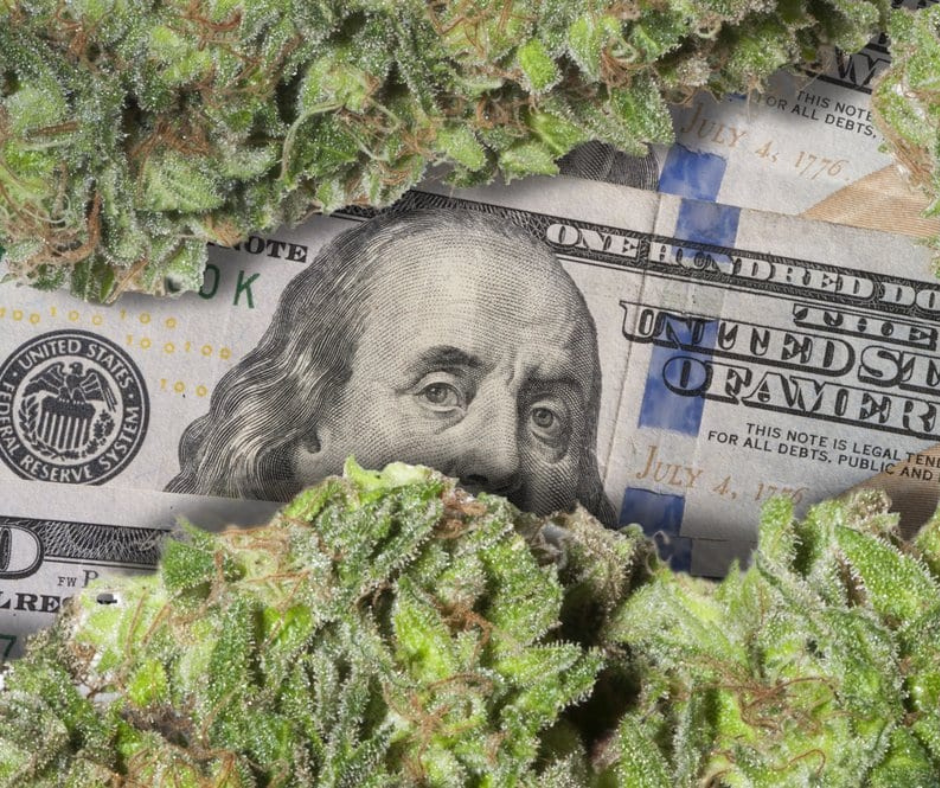






SPRINGFIELD – When Illinois released its annual Cannabis report this month, the numbers looked troubling on the surface. Total reported retail sales dropped to about $1.5 billion in fiscal year 2026, down from nearly $2 billion the year before. State Cannabis retail tax revenue also declined, to $423 million, a reduction of 3.6%.
However, a closer reading of the data reveals a different narrative.
Consumers are buying more Cannabis than at any point since legalization. Monthly sales figures show more than 5 million adult-use Cannabis items sold in July 2026, marking a record high. August totaled nearly 4.9 million adult-use items, a 9% increase in items sold compared to the prior year. The split between rising volume and falling revenue comes down to one factor – price.
Kimber Beckler, spokesperson for the Illinois Department of Financial and Professional Regulation, told that increased store counts and greater accessibility were pushing purchase volumes higher, but a growing legal Cannabis supply has compressed prices, with dispensaries running frequent promotional sales. The result, she said, is “beneficial to the consumer.”
Part of the revenue gap also has a technical explanation. Illinois transitioned from its BioTrack inventory system to the Metrc seed-to-sale tracking platform in 2025. The old system counted pre-discount prices, while the new one includes those discounts, creating a difficult YoY comparison. Despite the tracking change, officials confirmed that Cannabis sales tax was calculated consistently across both systems.
The state also expanded its licensed dispensary count by 29 new stores, growing the total by roughly 10%, as part of broader reforms under the Illinois Hemp Act, which took effect in June 2026. The law allowed all dispensaries to serve medical patients for the first time, doubled legal possession limits, and introduced curbside and drive-through sales.
Not all of the report’s signals point upward. Industry consolidation is accelerating: license transfers climbed from 21 to 50 over three consecutive years, indicating that smaller independent operators [many of them social equity applicants] are being absorbed by larger MSOs [Cresco Labs, Verano, GTI, Curaleaf, AWH] as financing tightens.
Illinois State Police seized more than 47,000 pounds of illegal Cannabis over the past two fiscal years, with Chicago identified as the primary Midwest distribution point for unlicensed product flowing from oversupplied markets in Michigan, California, and Oregon. Unlicensed intoxicating hemp products sold at gas stations and convenience stores with minimal oversight have also drawn customers away from licensed retailers. A state ban on those products takes effect in November, with a federal ban to follow in December.
Wrapping up, Illinois is going through the typical stress of a maturing legal market:
- broad consumer adoption,
- intense price competition, and
- accelerating operator consolidation.
Meanwhile, the volume deserves more attention than the revenue headline. Illinois dispensaries sold approximately 37.5 million recreational products during the first eight months of 2026, a 10.1% increase over the same period in 2025. For investors and operators watching the state, demand has not let up. The market is recalibrating to deliver more at lower prices.
About the Author: HCN News Team

Related Posts