NEWS: Psilocybin Could Help Prevent Debilitating Nerve Damage Caused by Chemotherapy







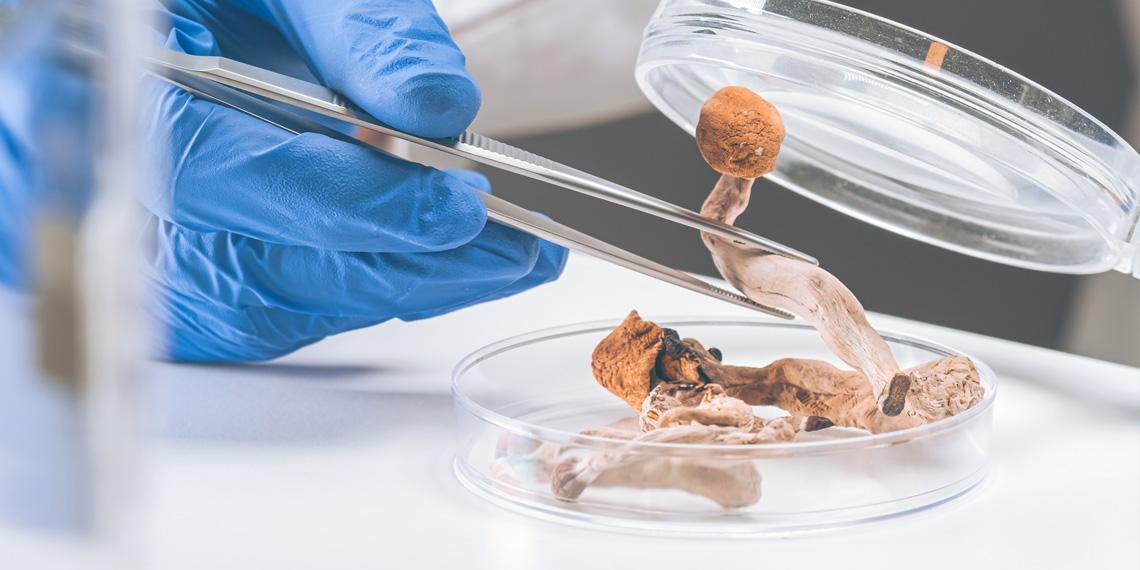
AUSTIN – A new study from The University of Texas MD Anderson Cancer Center suggests that psilocybin, the psychedelic compound found in certain mushrooms, could eventually help prevent one of chemotherapy’s most painful and persistent side effects.
The research, published September 3 in the journal Science, examined whether psilocybin could prevent chemotherapy-induced peripheral neuropathy, commonly known as CIPN. This nerve damage can cause pain, burning, tingling, numbness, increased sensitivity to cold and loss of sensation, particularly in the hands and feet.
For some patients, the symptoms continue long after their cancer treatment has ended and may become permanent. Peripheral neuropathy can also affect balance, mobility and the ability to perform everyday tasks. In severe cases, oncologists may have to reduce a patient’s chemotherapy dosage, delay treatment or discontinue a potentially life-saving drug.
That is what makes the MD Anderson findings particularly significant. Rather than treating neuropathy after the nerves have already been damaged, researchers investigated whether psilocybin could protect the nervous system before chemotherapy began.
In preclinical models, as few as two doses of psilocybin administered before chemotherapy prevented hypersensitivity to cold, maintained sensitivity to touch and protected sensory nerve endings.
The protection continued through repeated cycles involving three commonly used chemotherapy drugs: cisplatin, paclitaxel and docetaxel. Importantly, psilocybin did not appear to reduce the chemotherapy’s ability to attack tumors.
“There is an urgent need for treatments that prevent nerve injury without interfering with lifesaving chemotherapy,” said study co-leader Dr. Moran Amit, an assistant professor of Head and Neck Surgery at MD Anderson. “These findings offer important insights into how psilocybin may protect nerves before damage occurs, rather than treating symptoms after they become persistent.”
How Psilocybin May Protect Nerves
The study also provides an intriguing explanation for how psilocybin may protect peripheral nerves.
Nerve cells depend on mitochondria, the tiny structures within cells that generate energy. Because peripheral nerve fibers can extend over long distances, mitochondria must move through the nerve to deliver energy wherever it is needed.
Researchers found that cisplatin disrupted this movement, depleted mitochondria from parts of the nerve fibers and reduced the supply of cellular energy to nerve endings. Psilocybin helped preserve the movement and distribution of mitochondria, allowing energy to continue reaching the nerve endings during chemotherapy.
The research identified a signaling process involving the serotonin 5-HT2A receptor and the TrkB-Akt-PAK5-MAP2-KIF5B pathway. In simpler terms, psilocybin appears to activate a biological mechanism that helps keep the nerve cell’s internal energy-delivery system operating under the stress of chemotherapy.
“Psilocybin does more than reduce pain signals by protecting the nerves themselves through energy delivery,” explained co-leader Dr. Patrick Dougherty, professor of Pain Medicine at MD Anderson. “This neuroprotective effect could help patients withstand the stress of chemotherapy, maintaining sensation, mobility and quality of life during treatment and long into survivorship.”
When researchers blocked the 5-HT2A receptor, psilocybin’s protective effect disappeared. They also tested a non-hallucinogenic compound that activates the same receptor and observed similar protection.
This raises the possibility that scientists may eventually be able to separate at least some of psilocybin’s nerve-protecting properties from its psychedelic effects. However, researchers have cautioned that it is not yet clear whether the psychedelic experience may contribute to the overall therapeutic benefit.
A Major Unmet Need In Cancer Care
There is currently no established medication recommended for preventing chemotherapy-induced peripheral neuropathy.
Guidance from the American Society of Clinical Oncology states that no agents can presently be recommended for prevention. Duloxetine has evidence supporting its use for painful neuropathy that has already developed, but the amount of benefit is limited.
This leaves oncologists in a difficult position. They must balance the need to deliver sufficient chemotherapy against the possibility of causing lasting nerve damage. A genuinely preventative therapy could therefore improve patients’ quality of life while helping more of them complete their prescribed cancer treatment.
The findings remain preclinical and should not be interpreted as proof that psilocybin will prevent neuropathy in people. Animal studies frequently produce encouraging results that do not translate into safe or effective human treatments.
Nevertheless, the research has already led to NeuroGuard, an upcoming Phase II clinical trial at MD Anderson.
The study is expected to enroll 83 patients with breast, colorectal, or head and neck cancers who are receiving chemotherapy associated with peripheral neuropathy. Researchers will investigate whether psilocybin can reduce the severity of nerve damage and lower the number of chemotherapy dose modifications caused by neurotoxicity. The trial includes different treatment approaches, including subperceptual doses administered every other day during a two-week period before chemotherapy. According to the clinical-trial listing, enrollment is expected to begin in November 2026.
Psilocybin’s Expanding Role In Cancer Research
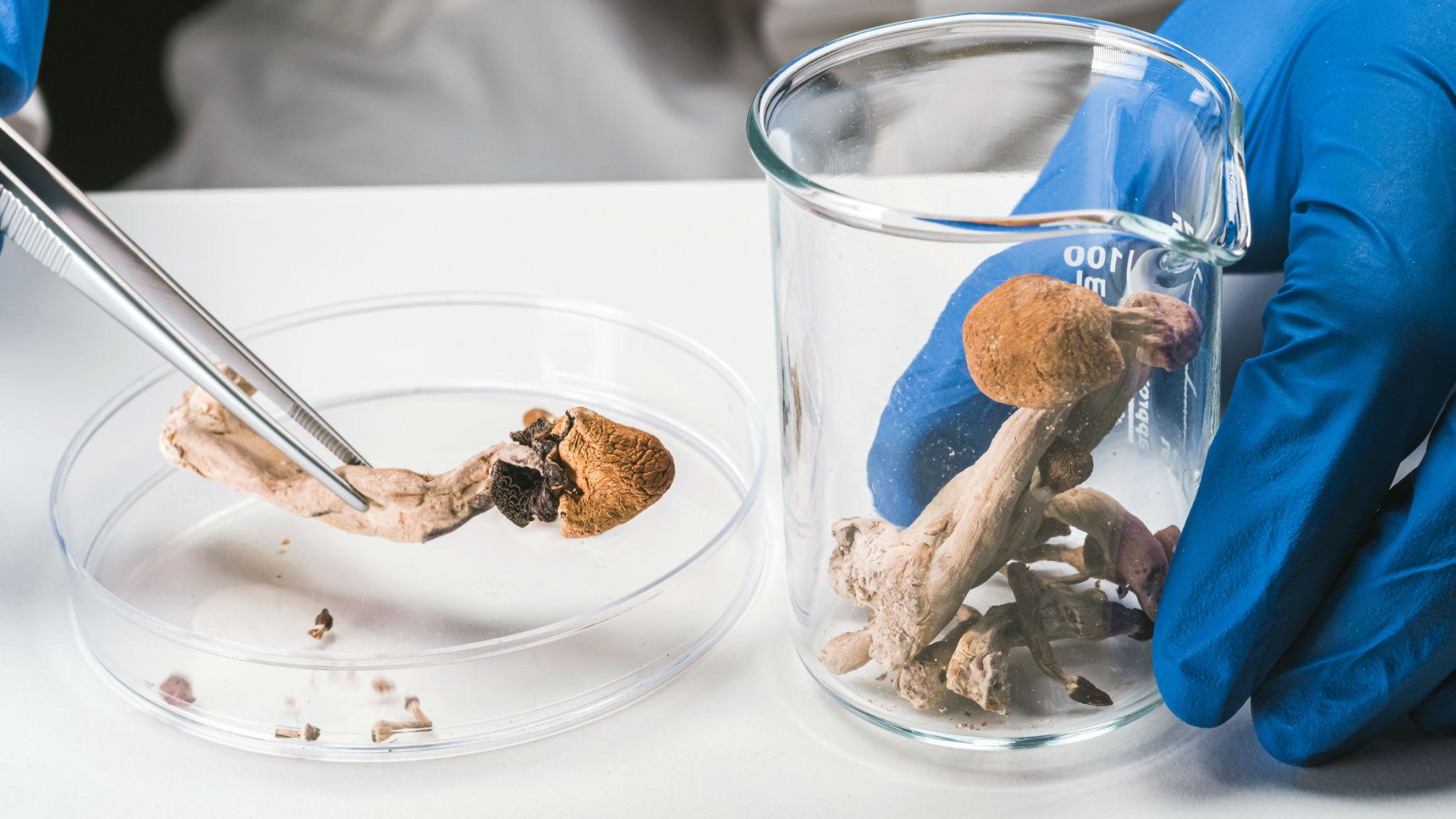
Psilocybin is already being investigated in cancer care for depression, anxiety, existential distress and pain.
Earlier controlled trials involving patients with life-threatening cancer found rapid and sustained reductions in depression and anxiety following carefully supervised psilocybin treatment. However, more recent reviews continue to emphasize the small number of studies, difficulty maintaining effective blinding and the need for larger, more rigorous trials.
The MD Anderson research moves psilocybin into another potentially important area: protecting the body from the physical damage caused by cancer treatment.
The findings are particularly notable because the researchers are not simply proposing psilocybin as another pain-management option. Their work suggests the compound may protect the underlying nerves and preserve the cellular energy system that allows those nerves to function.
If the results can eventually be reproduced in humans, psilocybin or a related non-hallucinogenic medicine could become part of a new generation of therapies designed not only to help patients survive cancer, but also to protect their mobility, independence and quality of life throughout treatment and beyond.
Patients should not attempt to use psilocybin independently during chemotherapy. Its safety, dosage, timing and possible interactions with cancer treatments must be evaluated in controlled clinical studies under medical supervision.
Sources:
MD Anderson Cancer Center:
https://www.mdanderson.org/newsroom/research-newsroom/psilocybin-prevents-chemotherapy-related-nerve-injury-and-associated-symptoms-in-preclinical-models.h00-159858501.html
Science:
https://www.science.org/doi/10.1126/science.aec6116
ClinicalTrials.gov — NeuroGuard Phase II Trial:
https://clinicaltrials.gov/study/NCT07227909
National Cancer Institute — NeuroGuard Trial:
https://www.cancer.gov/research/participate/clinical-trials-search/v?id=NCI-2025-08499&r=1
About the Author: HCN News Team

Related Posts