California Tightens Rules on Cannabis Packaging Attractive to Kids
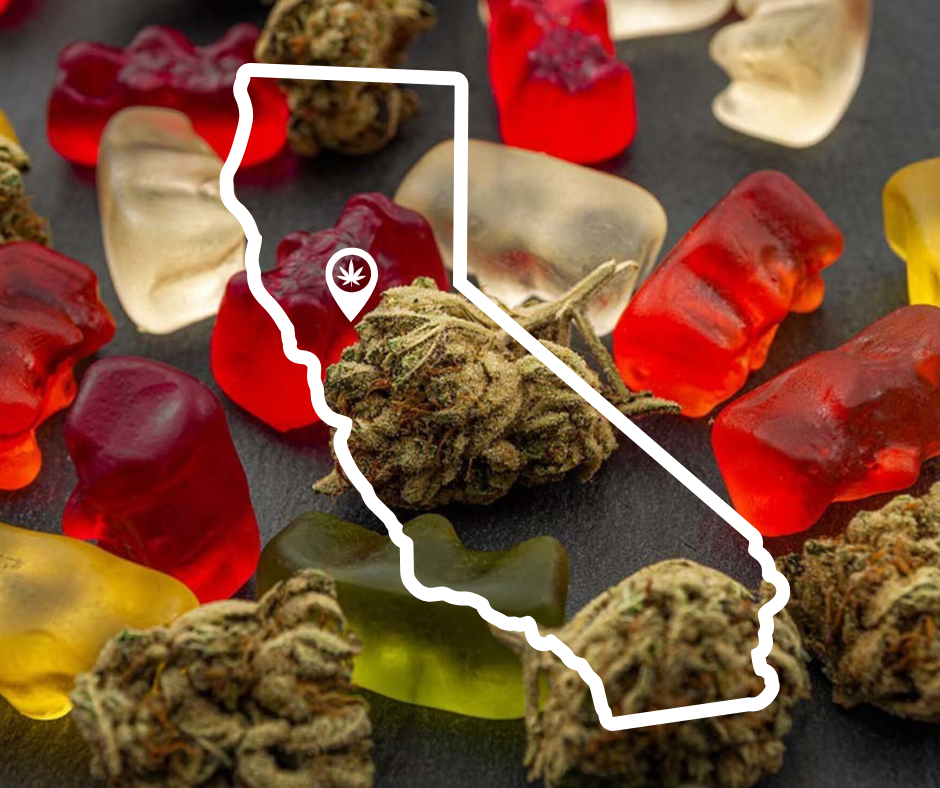






LOS ANGELES – California’s effort to draw a sharper legal line around child-appealing Cannabis packaging has cleared the legislature, sending AB 2249 to Gov. Gavin Newsom for final action.
The measure, sponsored by Assemblymember Jacqui Irwin (D), received final legislative approval when the Assembly voted 69-1 to concur with amendments made by the Senate. The final Assembly vote came one day after the Senate approved AB 2249 38-0, with two senators not voting. Newsom can sign it, veto it, or allow it to become law.
As written, the bill formally defines “attractive to children” as any packaging, labeling, or advertising designed or likely to appeal to persons under 21. That covers cartoons, celebrities or influencers primarily associated with children’s entertainment, and child-oriented characters or mascots. Fantasy figures (unicorns, wizards, dragons) fall under the prohibition as well.
The restrictions also apply to images of products primarily marketed to children, including candies, cereals, sweets and desserts, along with certain bubble- or balloon-style lettering and terms including “candy,” “kandy” and “kandee.” Edible Cannabis products and vape cartridges would be barred from using cartoon or stylized fruit imagery, though realistic fruit depictions that accurately identify actual ingredients or a production region remain permitted.
If signed into law, the new provisions would take effect January 1, 2028.
Irwin had previously requested a state audit of the Department of Cannabis Control’s enforcement practices. The findings were pointed. “California’s cannabis industry continues to package and market products in ways which are overtly attractive to children,” she said, noting that child Cannabis poisonings have increased dramatically since Proposition 64 and that such exposures are often driven by candy-like packaging. California Poison Control data cited during earlier legislative hearings showed pediatric exposure reports climbed from around 200 in 2010 to over 1,600 by 2020, with the average age of an affected child being just two years old – figures that provided the clearest public health argument for the bill.
Under AB 2249, the DCC would be directed to develop compliance assessment resources to help Cannabis businesses self-evaluate their packaging, potentially including automated tools, educational materials, and reference examples. The department has already been laying the groundwork: in June it unveiled an AI-based screening tool to help licensees assess packaging before it reaches shelves.
Opposition came from the California Cannabis Industry Association, which argues that compliance costs fall disproportionately on licensed operators while the illicit market, which carries no packaging obligations, goes untouched. The lone dissenting vote in the Assembly came from Republican Assemblymember Carl DeMaio.
AB 2249 is a carefully constructed bill that already failed once, and its near-unanimous passage in both chambers reflects that lawmakers have little appetite left for debate on the child-safety angle. The CCIA’s compliance-cost argument is real. What the licensed industry should be watching closely now is how the DCC translates these new definitions into enforcement: specific, consistent, and applied equally.
About the Author: HCN News Team

Related Posts