Analysis: Wall Street Quietly Tests the Water In Cannabis
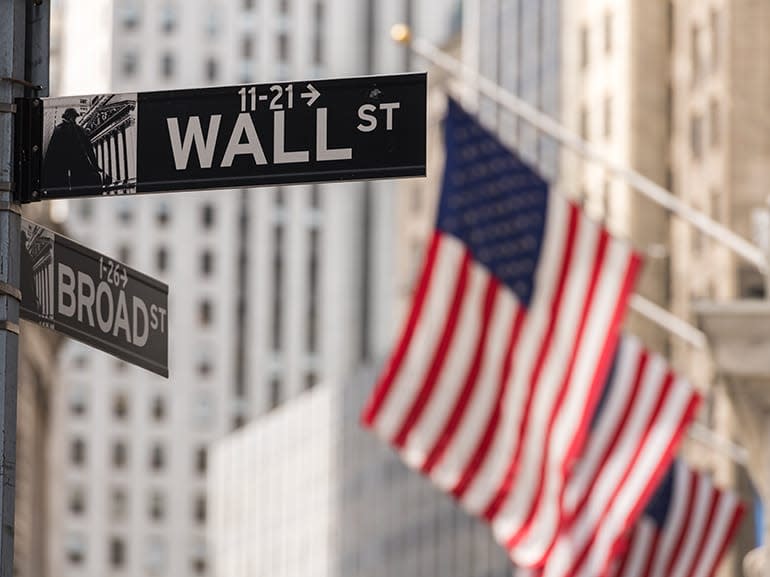






NEW YORK- For years, institutional investors have largely remained outside the publicly traded Cannabis market. Federal illegality, regulatory uncertainty, limited access to major exchanges and disappointing stock performance have kept most major investment firms on the sidelines.
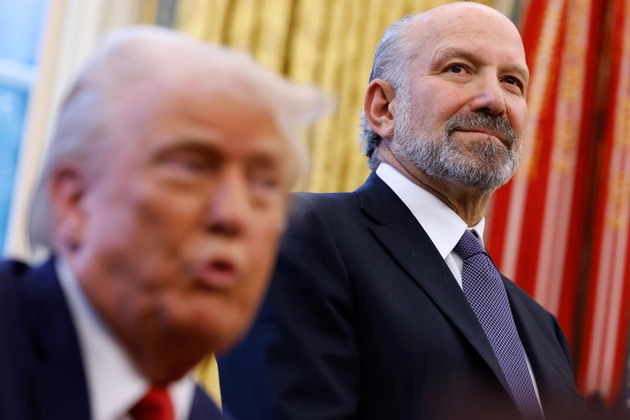
Howard Lutnick with President Trump
The latest 13F filings suggest that could be starting to change.
Every quarter, institutional investment managers with more than $100 million in qualifying assets must disclose certain U.S. equity holdings to the Securities and Exchange Commission. These reports provide a delayed but valuable look at where some of the largest firms in finance are putting their money.

This quarter produced several notable Cannabis investments.
Cantor Fitzgerald disclosed a position in Trulieve valued at nearly $40 million. Cantor has long been involved in Cannabis investment banking and equity research. Its former CEO, Howard Lutnick, is now the U.S. Secretary of Commerce, while his sons currently lead the firm.
Wellington Management also reported a new position in Glass House Brands. Wellington is one of the world’s most established investment managers and is generally associated with long-term, research-driven investing. Its appearance on the shareholder register will not go unnoticed.
The greatest surprise, however, was Citadel’s reported investment in Village Farms International.
Citadel founder Ken Griffin personally donated $15 million in 2024 to the campaign that helped defeat Florida’s adult-use Cannabis ballot initiative. Griffin also publicly argued against the measure.
That makes Citadel’s investment in a Cannabis operator particularly striking. Political opposition to legalization and financial interest in the industry are not necessarily contradictory, but the contrast is difficult to ignore.
Investors should still be careful about reading too much into these disclosures.
A 13F filing is a backward-looking snapshot, not a declaration of long-term confidence. It does not explain why a position was purchased, whether it formed part of a broader trading strategy or whether the firm still owns it today.

Large institutions such as Citadel also operate complex market-making and trading businesses. A reported position does not necessarily mean the firm is making a long-term bet on the future of Cannabis.
These investments are also extremely small compared with the enormous portfolios managed by the institutions involved.
Even so, the importance lies in the names appearing in the filings.
Cannabis remains federally illegal. Access to traditional banking is restricted, and most U.S. operators remain excluded from the leading American stock exchanges. Institutional participation has therefore been limited, leaving the industry heavily dependent on retail investors, specialist funds and private capital.
If mainstream institutions begin establishing positions, even cautiously, it could represent an important shift in market sentiment. Sophisticated investors may be preparing for federal reform, rescheduling, improved exchange access or a recovery in deeply depressed Cannabis valuations.
One quarter does not establish a trend. Future filings will reveal whether these were isolated trades or the beginning of sustained institutional interest.
Wall Street is not rushing into Cannabis.
But some of its biggest names may finally be testing the market.
About the Author: HCN News Team

Related Posts