Washington Has a Plan for Hemp-Derived Beverages. The Rest of the Hemp Industry Wants One Too.






LOS ANGELES – WASHINGTON – A bipartisan bill introduced in Congress this week would bring hemp-derived THC drinks under the same federal regulatory structure long used for alcohol. For an industry watching a federal ban deadline close in, the proposal offers something it has rarely seen: a concrete rulebook with political backing on both sides of the aisle.
Congress Draws a Line Around the Can
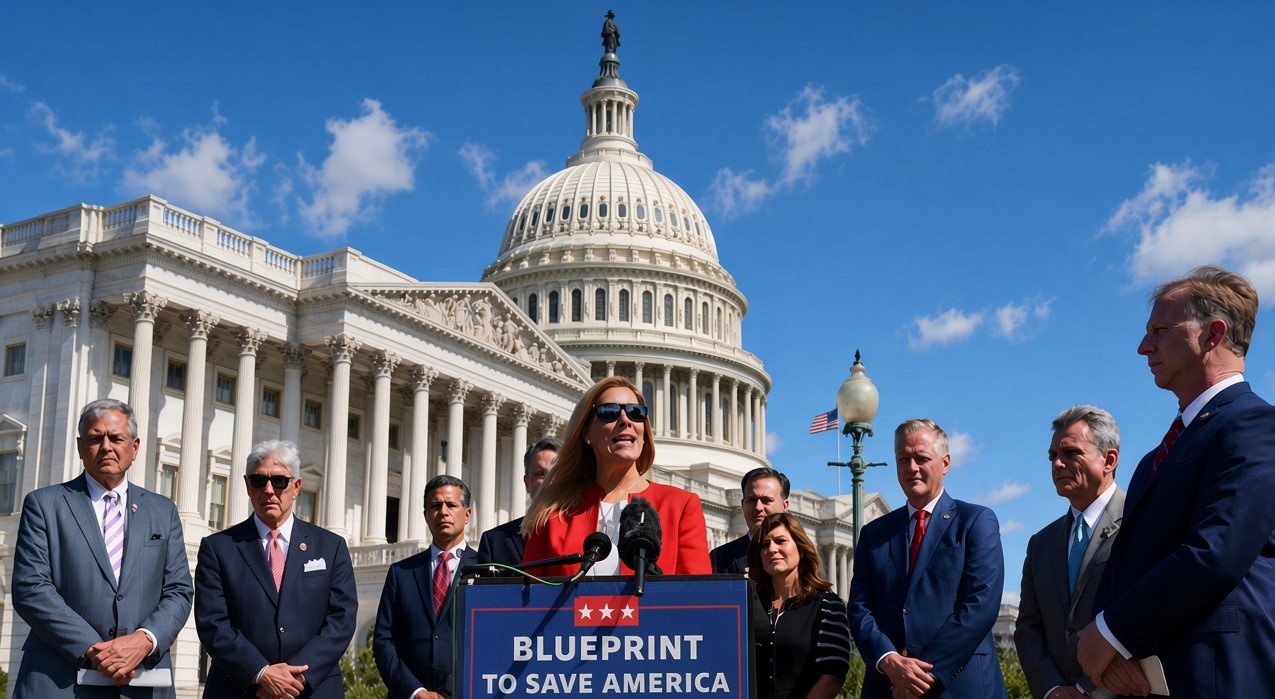
Representatives Beth Van Duyne (R) and Greg Landsman (D) introduced the Beverage Regulatory Parity Act on August 10, 2026 – a bill that proposes a dedicated federal pathway for hemp-derived THC beverages, built on the same three-tier distribution architecture that governs the alcohol trade.
The legislation would create a federal pathway for certain hemp-derived beverages containing no more than 5 milligrams of total intoxicating THC per serving. A compliant serving is defined as a single-use 12-ounce container or a multi-serving container with a total volume of 750 milliliters. Products derived from synthetically manufactured cannabinoids would be categorically excluded.
Hemp beverages would be taxed at a rate of 8 cents per milligram of THC, placing the tax obligation on a fully dosed 5-milligram serving at 40 cents. Regulatory oversight would span manufacturers, wholesalers, and retailers operating under federal permitting requirements, with proposals including testing, sourcing, recordkeeping, inspection, packaging, labeling, and consumer warning requirements. States, tribes, and local governments could maintain stricter requirements or prohibit covered hemp beverages within their jurisdictions.
The three-tier distribution model – manufacturers sell to licensed wholesalers, wholesalers sell to licensed retailers, with cross-tier ownership prohibited – has governed alcohol distribution in the United States for nearly a century. The bill’s sponsors are wagering that applying it to hemp beverages gives regulators, investors, and retailers a framework they already know how to operate within.
The Deadline That Forced the Question
The urgency behind the Beverage Regulatory Parity Act traces directly to Section 781 of P.L. 119-37, which significantly narrows the federal definition of hemp, including by moving to a total-THC standard and excluding final hemp-derived cannabinoid products containing more than 0.4 milligrams of combined total THC and similar-effect cannabinoids per container. Products that fall outside the new hemp definition would lose their current federal hemp status and revert to the same status as federally-illegal Cannabis.
The restrictions were driven in part by Senate Minority Leader Mitch McConnell, who expressed alarm that hemp-derived cannabinoids were reaching the nation’s youth. For hemp beverages, which commonly carry 5 to 10 milligrams of THC per can, the threshold would eliminate lawful commerce. The broader industry at stake has grown into a $28.4 billion market supporting more than 300,000 American jobs.
On August 8, two days before the bill’s introduction, the Senate passed its FY27 continuing resolution by a 90-6 vote. The Senate package includes a limited extension of Section 781 from November 12 to December 11, 2026. Senator Ted Budd had offered an amendment to strip the delay out and hold the line at the original November 12 ban date. A motion to table it, led by Senator Amy Klobuchar, succeeded 61 to 32, killing Budd’s amendment and keeping the reprieve intact. The Senate has passed the continuing resolution, but House approval and presidential signature remain required.
The Beverage Regulatory Parity Act does not seek to delay or repeal Section 781. Its mechanism is a targeted exemption: the draft expressly provides that Section 781’s per-container intoxicating-cannabinoid limit would not apply to a hemp-derived beverage that complies with the bill’s serving requirements.
An Alcohol Coalition at Play
The Beverage Regulatory Parity Act has attracted a coalition of endorsers dominated by established alcohol distribution infrastructure and hemp beverage trade groups. The Wine & Spirits Wholesalers of America announced its full support, stating that appropriately dosed hemp-derived beverages belong in a regulated adult beverage marketplace, not in a legal gray area.
The bill is supported by:
- The Beverage Alcohol Merchants Coalition,
- Wine and Spirits Wholesalers of America,
- Texas Package Stores Association,
- Specs Wine,
- Spirits & Fine Foods,
- Coalition of Adult Beverage Alternatives,
- Hemp Beverage Alliance,
- American Alternative Care Policy Network,
- Total Wine & More,
- American Beverage Licensees,
- Beverage Wholesalers for Responsible Regulation, and
- Texas Food & Fuel Association.
From the brand side, Jake Bullock, CEO of CANN, described the bill as providing a strong foundation, including strict milligram potency caps, a national 21-plus standard, mandatory testing and labeling, limits on child-directed marketing, a ban on synthetically derived cannabinoids, and an alcohol-style distribution system. Justin Tidwell, CEO of hemp beverage brand Nowadays, told Forbes the recent flurry of congressional activity marked a meaningful milestone; signals that the federal conversation has started shifting from debating the category’s existence to debating how it gets responsibly structured.
One Product’s Win, One Industry’s Fault Line
The bill’s beverage-only scope is its most contested feature. By carving out a regulatory pathway exclusively for drinkable hemp products, the Beverage Regulatory Parity Act leaves tinctures, edibles, capsules, and flower without a comparable federal exemption from Section 781’s per-container limits.
Cannabis lobbyists have vowed to fight efforts for a hemp product carve-out. Within the hemp industry itself, the criticism runs deeper. Nothing But Canna, which reviewed the full 27-page bill, argued that it would rescue hemp-derived THC beverages from the November 12 federal deadline while leaving every other hemp product format to face it alone. Their analysis concluded that surviving the three-tier structure requires:
- federal permitting,
- fifty state registrations,
- distributor relationships in every market,
- bonding,
- excise reporting,
- the working capital to absorb significant cost increases, and
- that a beverage-only carve-out doesn’t preserve an open market but converts a competitive market with thousands of participants into a licensed oligopoly.
The bill’s path through committee is also far from clear. The bill has been referred to Ways and Means, Energy and Commerce, Agriculture, and Transportation and Infrastructure, meaning there is significant jurisdictional work ahead before it can reach the floor.
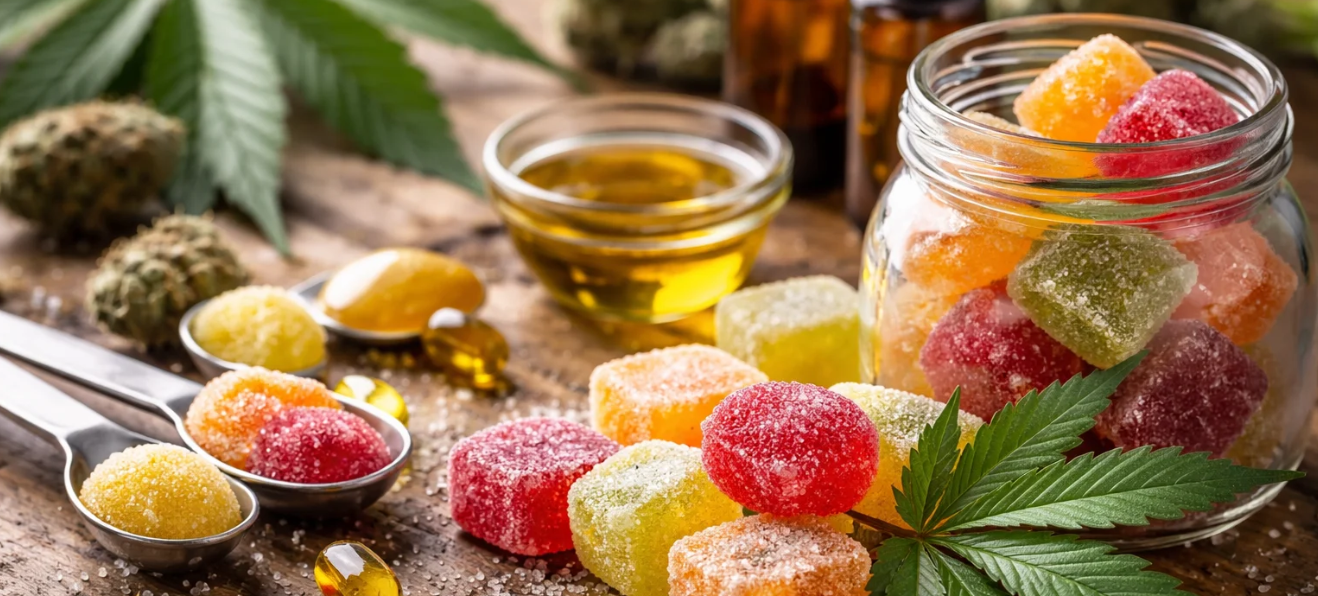
Overall, the Beverage Regulatory Parity Act represents both progress and a hard boundary.
A federal framework for hemp beverages [even an imperfect one] would bring pricing predictability and the institutional credibility the category needs to attract serious capital. But a framework that protects one format and leaves the rest of the hemp market in legal flux fails to resolve the regulatory fragmentation that has made this space difficult to finance, scale, and insure at the national level.
Congress has opened a door for the can.
For now, other hemp-derived THC products are still standing outside it.
Photos/Images: Adobe Stock ▪ Rep. Beth Van Duyne ▪ Getty Images
About the Author: HCN News Team

Related Posts