Nebraska Takes First Step Toward State-Grown Medical Cannabis Supply






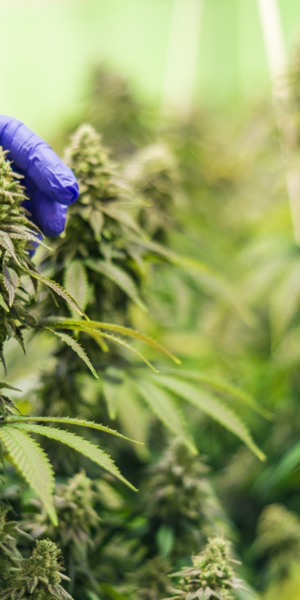
LINCOLN – Nebraska’s medical Cannabis program, approved by voters in 2024, has reached a notable early milestone. State regulators recently authorized the first licensed cultivator to begin planting, marking concrete progress in building a regulated supply chain for patients.
The Nebraska Medical Cannabis Commission voted unanimously to approve the inspection results for MahāMotā Cultivation Company in Raymond. This decision allows the business to plant the state’s first legal medical Cannabis crop, nearly 19 months after voters passed the measures.
Commissioners also addressed challenges facing other licensed cultivators. One operation, KRL Med LLC, owned by former state Sen. Kent Rogert (D), is navigating a local zoning dispute in Washington County that has halted construction and inspection plans. Rogert told the commission that delays affect timing and product availability. The panel renewed that license for another six months.
Another cultivator, Meadowlark Medicinals, postponed its inspection, while Midwest Cultivator Group received approval to move its site to Gretna after dealing with zoning changes in Omaha. These developments highlight the practical hurdles of local rules even as the state program advances.
On the licensing front, the commission opened applications for product manufacturers, with up to four licenses available. This move aims to keep momentum going while formal regulations await review by Attorney General Mike Hilgers and Gov. Jim Pillen. Temporary rules remain in effect and can be extended.
The program’s structure stays limited by design: four cultivators, each capped at 1,250 flowering plants, along with caps on manufacturers, transporters, and 12 dispensaries. Patients can possess up to five ounces of medical Cannabis but cannot access raw flower or certain products under current rules. First harvests may arrive by fall, though sales timelines remain uncertain.
This approval comes as the commission works to stand on its own, ending a shared-services agreement with the Nebraska Liquor Control Commission and posting for a dedicated executive director. Political attention around the issue remains high, with the 2026 attorney general race already touching on implementation speed.
Nebraska’s cautious rollout reflects the state’s political realities and voters’ intent for a tightly controlled medical system. Getting plants in the ground is a practical achievement, one that will test the regulatory framework in real time. Ultimately, successful implementation requires overcoming remaining local and administrative obstacles, aligning supply with patient needs, and maintaining transparency as more license types come online. Steady, measured progress could provide valuable insights for other states seeking to balance access with oversight.
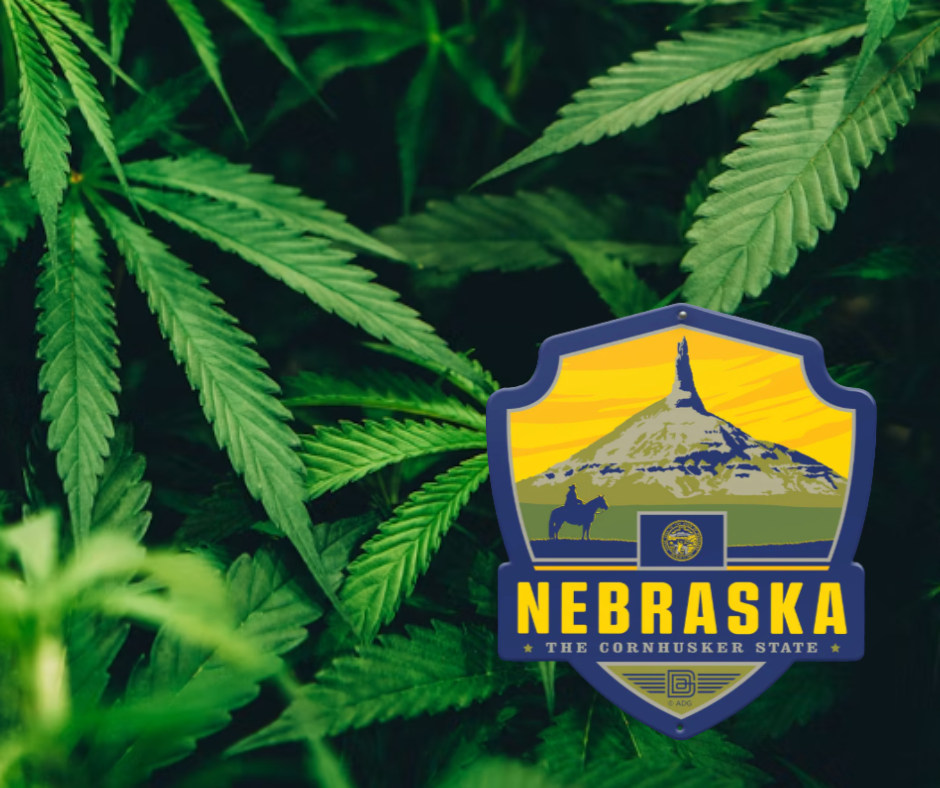
Photo: Unsplash/Matthew Brodeur/Nebraska State’s emblem courtesy of Anderson Design Group
About the Author: HCN News Team

Related Posts