Global CBD Isolate Market Set to Nearly Triple by 2033
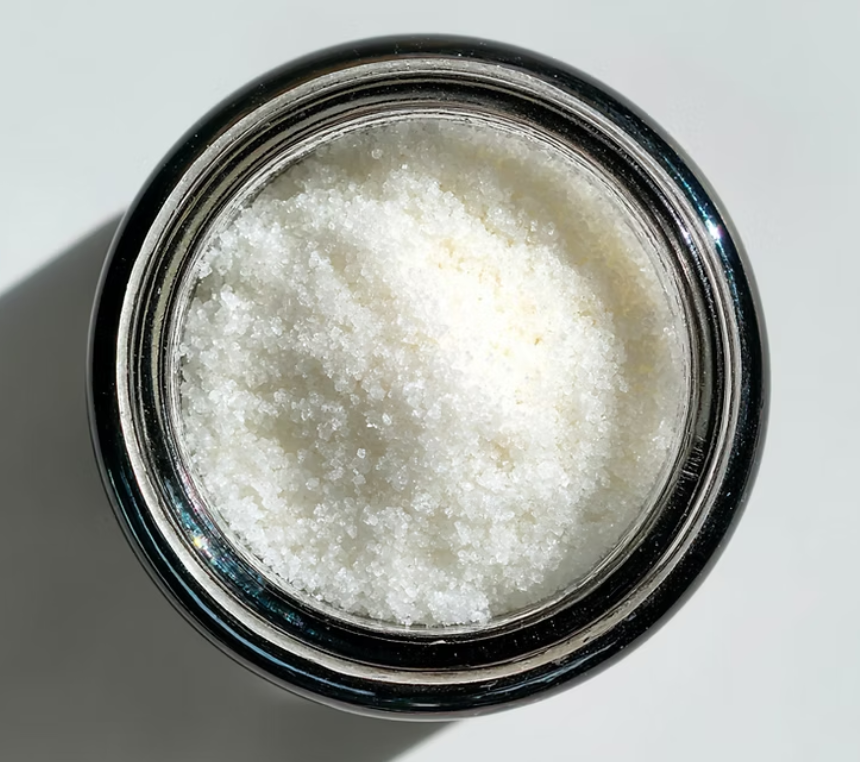






LEWES – The global market for CBD isolate, the purified form of cannabidiol that contains no THC or other cannabinoids, stands out for its versatility in product formulation. According to the latest analysis by Verified Market Research, the sector, valued at $3.2 billion in 2025, is expected to reach $9.2 billion by 2033, expanding at a compound annual growth rate of 14.2%.
The report frames this expansion as less a function of consumer enthusiasm and more a product of ingredient buyers demanding repeatable quality – the kind that can be certified, documented, and defended before a regulator.
CBD isolate makes it appealing to manufacturers seeking consistency, precise dosing, and easier formulation control. That profile, once a niche advantage, has become a baseline requirement for companies operating in regulated pharmaceuticals, nutraceuticals, and personal care categories. The market’s upward trajectory reflects accelerating commercialization of isolate-grade CBD ingredients, increasing regulatory clarity, and expanding adoption across pharmaceutical, nutraceutical, food and beverage, and personal care sectors.
On the supply side, the race to pharmaceutical-grade purity is producing a consolidating market. The global major producers (Kazmira, KND Labs, Sequoya, Mile High Labs, and EcoGen Biosciences) collectively account for a substantial portion of revenue, reflecting their dominance in North America and Europe where demand for pharmaceutical-grade isolates is surging.
The barriers keeping challengers out are largely technical. Advances in flash chromatography and preparative high-performance liquid chromatography (HPLC) purification have allowed processors to reach a 99.9% purity level, meeting even the most stringent pharmaceutical quality specifications. That benchmark requires capital outlays that most smaller producers can’t absorb. Advanced purification techniques elevate isolate prices to $1,500–$3,000 per kilogram, deterring small-scale entrants and price-sensitive emerging markets.
Regulatory movement in key markets is doing a significant share of the work. In Europe, several European brands secured novel food authorization in 2024 and 2025, accelerating product launches in the United Kingdom, Germany, Switzerland, and the Netherlands. North America accounted for the largest share of CBD isolate demand in 2025, reflecting regulatory clarity and a well-developed distribution infrastructure.
As the industry matures, attention is shifting toward standardization and integration into mainstream consumer goods. Isolate’s THC-free profile appeals to formulators seeking clean labels and predictable results. At the same time, ongoing research into CBD’s potential benefits keeps the conversation active among scientists, regulators, and the public.
The VMR forecast should be read carefully. Market research projections in the Cannabis and hemp sectors have historically run optimistic, and the CBD space has produced several celebrated misses. That said, the structural elements underlying this particular forecast carry more credibility than earlier boom-cycle projections: tighter ingredient sourcing standards in pharma and food manufacturing, multi-country regulatory normalization, and measurable technology cost curves that have brought high-purity isolate within economic reach of broader applications.
Photo: growtown.ca
About the Author: HCN News Team

Related Posts