Young Japanese Are Turning to Cannabis at Record Rates
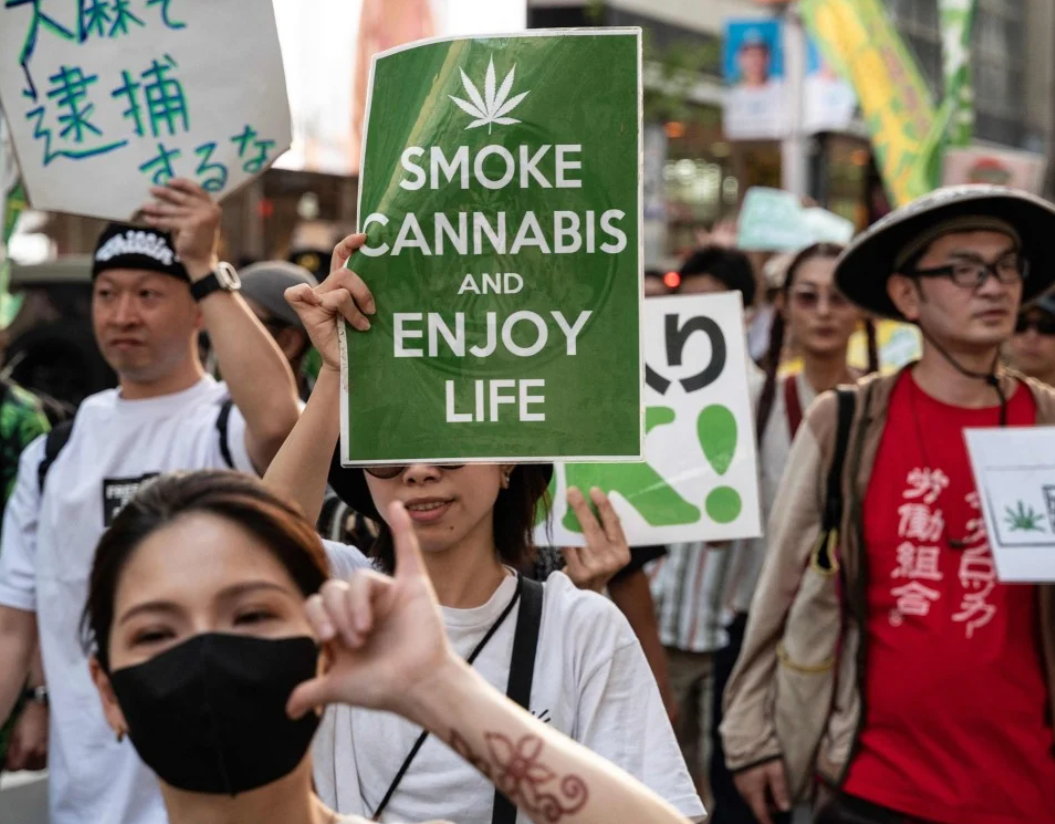






TOKYO – The numbers released by Japan’s National Police Agency (NPA) are striking by any measure. Japanese police investigated a record 6,832 individuals in Cannabis-related cases in 2025, up 754 from the previous year. The figure more than doubled from 2017, when it stood at 3,008. More telling than the total, though, is who those people are.

The largest single group consisted of people in their 20s, at 3,633 individuals, followed by 1,373 people under 20. Of those younger teens, 28 were junior high students and 315 were high school students. For context, just 210 people under 20 were arrested in 2016, making last year’s figure nearly six times higher in less than a decade.
The mechanics of access have changed just as dramatically as the numbers. Among respondents in their 20s or younger who were caught for Cannabis-related offenses, over 40% said they had interacted with drug dealers online, and of those, more than 90% reported using platforms like X and Telegram. The street corner, in other words, has moved to a phone screen.
“The increases that we are seeing in illegal drug consumption among young people are a serious and growing problem.”, noted Izumi Tsuji, Professor of Culture Sociology, Chuo University, Tokyo; Member, Japan Youth Study Group.
The reasons being cited by social observers go beyond simple curiosity, though the NPA itself acknowledged that younger people naturally gravitate toward experimentation. Experts on social norms have attributed the sharp rise partly to growing despair about the future and the influence of celebrities known to use drugs. A perception among some young Japanese that cannabis is a kind of “fashionable” Western habit has also been flagged by researchers.
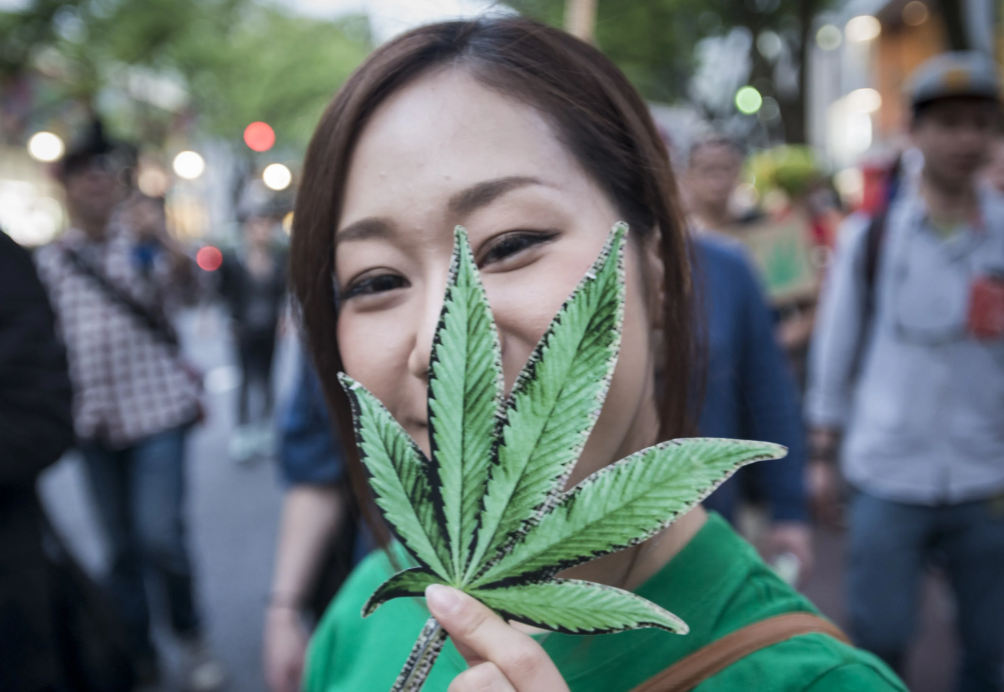
The policy backdrop has shifted as well. Japan criminalized the personal use of Cannabis under a revised Narcotics and Psychotropics Control Act that took effect in December 2024, and 700 people were investigated under that law the following year. Before that reform, consumption itself technically fell outside the scope of Japan’s Cannabis Control Law – a loophole that dated back to the post-war era. The 2024 amendment closed that opening by imposing penalties of up to seven years in prison for use, possession, or transfer.
Tougher penalties have not visibly slowed the trend. Cannabis use is now described as widespread among young people in Japan, particularly in Tokyo, where roughly one in six of all cases was handled by the Metropolitan Police Department. NPA Commissioner-General Yoshinobu Kusunoki, responding to the April data release, pledged to promote awareness campaigns targeting younger generations and to strengthen action against illegal information circulating online.
Meanwhile, Japan’s illicit market is drawing in broader criminal networks. Organized yakuza crime syndicates and loosely structured criminal groups known as “tokuryu” are among those implicated in the broader drug investigation figures for 2025. The supply chain, it appears, has professionalized alongside the demand.
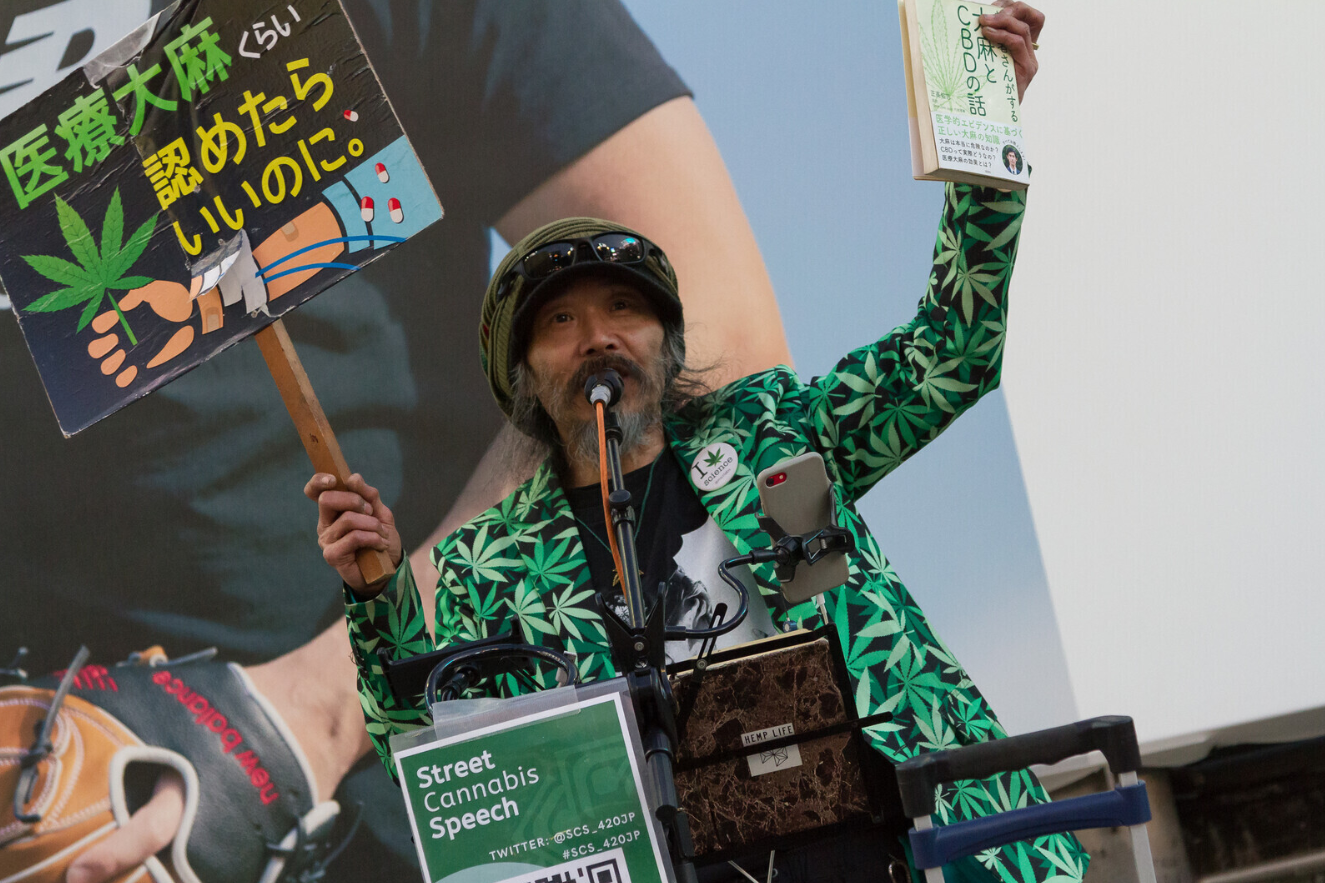
There is one area where Japan has chosen a more deliberate path. The same 2024 legal overhaul that tightened recreational penalties also opened a narrow but historic window for medical Cannabis-derived pharmaceuticals, allowing regulated imports and domestic clinical trials involving cannabinoid-based drugs, particularly for conditions such as epilepsy. Japan’s legal CBD market reached approximately ¥24.4 billion in 2024, a 16.2% increase from the prior year, with an estimated 530,000 users.
Enforcement and commerce, for now, are moving in parallel.
Japan’s Cannabis, at its core, is a supply-chain story that has gone digital. Law enforcement can arrest individuals, but it cannot easily dismantle platforms that operate across jurisdictions in real time.
The 2024 legal reform was a necessary correction, closing a decades-old loophole that made enforcement inconsistent. Yet the record 2025 figures arrived on its heels, suggesting that criminalization alone, without targeted education and credible counter-messaging that reaches young people on the same channels where dealers do, is unlikely to reverse the trajectory.
Photos: Richard A. Brooks/AFP · TIME · Forbes · VICE · damoncoulter.com
About the Author: HCN News Team

Related Posts