Kentucky Governor Expands Medical Cannabis Eligibility
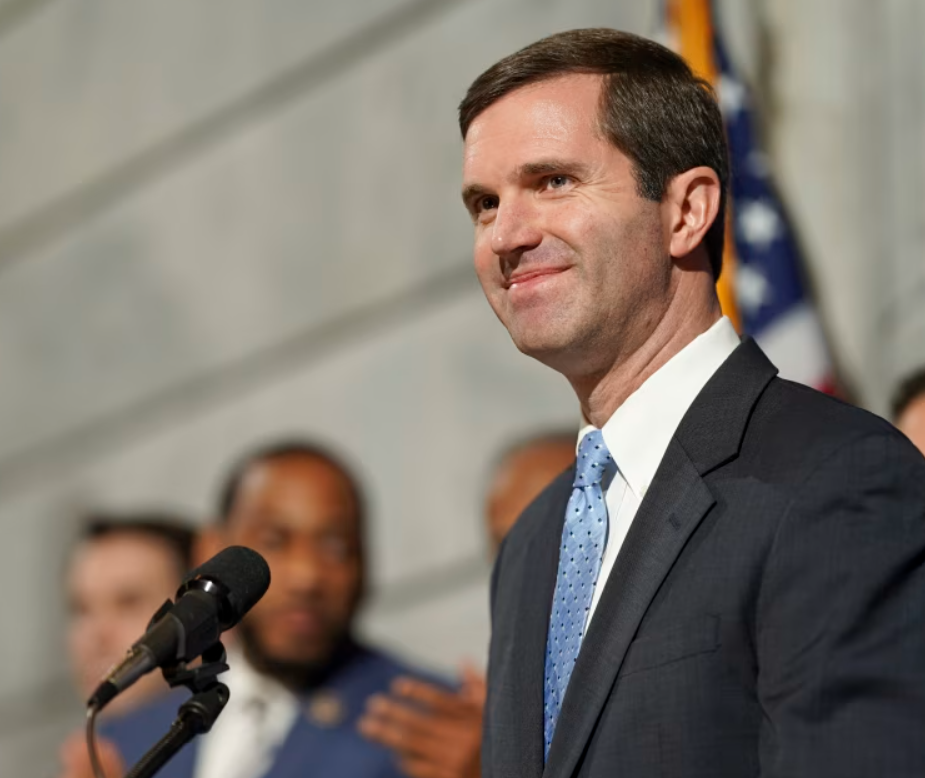






FRANKFORT – Kentucky Gov. Andy Beshear signed an executive order directing the state’s Office of Medical Cannabis to issue emergency regulations adding 15 new qualifying conditions to the program, more than doubling the original list established under the 2023 law (SB 47) that first legalized medical Cannabis in the Commonwealth.
Under that statute, only six conditions qualified a patient for the medical Cannabis program, but Beshear argued that additional diagnoses carrying the same underlying symptoms (chronic pain, nausea, and muscle spasms) should logically fall under the law’s existing language. The newly recognized conditions include terminal illness, sickle cell anemia, amyotrophic lateral sclerosis (ALS), Parkinson’s disease, HIV, AIDS, Huntington’s disease, muscular dystrophy, cachexia or wasting syndrome, Crohn’s disease, ulcerative colitis, neuropathies, severe arthritis, fibromyalgia, and glaucoma.
“The law is meant to provide a safe alternative form of pain relief for Kentuckians suffering, yet the law’s lack of clarity prevented too many people from receiving help,” Beshear said, framing the move as expanding access to medical Cannabis as an alternative to opioids.
As of May, the program had enrolled 23,723 patients holding medical Сannabis cards. Beshear noted that while Kentucky has recorded all-time low opioid overdose numbers, the steady uptick in Сannabis card registrations represents a measurable public health signal.
The announcement drew immediate pushback from Republican leadership at the state capitol. House Speaker David Osborne criticized Beshear’s reliance on executive orders, arguing that policy questions of this magnitude belong in the legislative process, and warning that healthcare providers could be left navigating conflicting legal interpretations if the order faces a judicial challenge. Beshear said he does not fear a legal challenge, despite the legislature’s repeated refusal to address the matter. GOP Sen. Stephen West had introduced bipartisan legislation on two separate occasions to expand the qualifying conditions list, but it never reached the finish line.
Despite the program becoming legally operational at the start of 2025, supply has been slow to meet demand, and Beshear acknowledged that available products have been costly when they can be found at all. He has kept in place a separate executive order granting amnesty to patients who cross state lines to purchase medical Cannabis.
Beshear also referenced a University of Kentucky study finding that the opening of state medical Cannabis dispensaries was associated with meaningful reductions in non-fatal opioid poisonings, using it as data support for the program’s broader public health value.
Tuesday’s action in Frankfort is textbook regulatory gap-filling – a governor using the executive pen to address what lawmakers have twice [!] declined to correct. The constitutional debate will likely outlast the news cycle, but the practical impact is clear: Kentucky’s patient pool just grew substantially overnight. For operators and investors watching Southern state markets, this is a reminder that program parameters in emerging state programs remain fluid, and access expansion driven by executive action, however contested, tends to hold in the near term.
Photo: Bryan Woolston/Associated Press
About the Author: HCN News Team

Related Posts