Nigeria Explores Regulated Cannabis for Medical and Economic Purposes
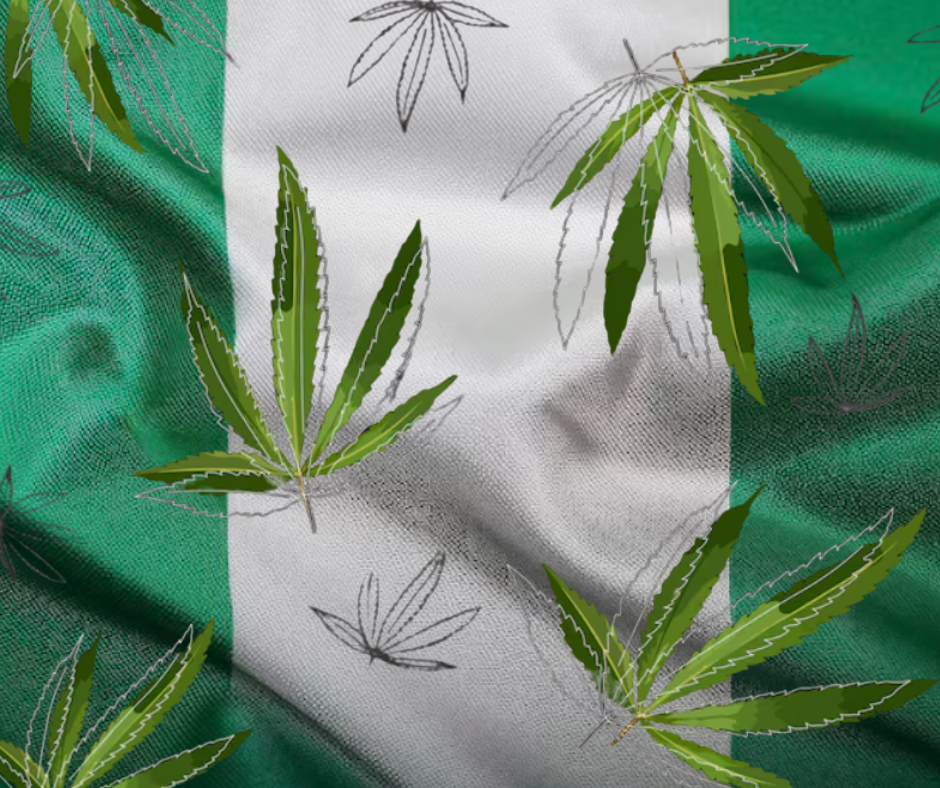






ABUJA – Nigeria’s National Assembly is drafting legislation to legalize Cannabis for medical, pharmaceutical, and industrial use, marking the most significant federal-level push the country has seen on the issue to date. The proposed bill is focused on regulated cultivation and industrial use rather than recreational consumption. Supporters argue the measure could generate jobs, attract foreign investment, and open new revenue streams for one of Africa’s largest economies.
The momentum behind the bill gained public visibility last September, when former Senator and Labor Party figure Athan Nneji Achonu confirmed that the National Assembly was already working on legislation aimed at legalizing Cannabis for medicinal and economic purposes, urging the federal government to embrace regulated cultivation and processing for both medical and industrial applications.
Proponents say legalization, if executed under strict regulatory oversight, could drive economic diversification, create jobs, and strengthen medical research. That argument carries particular weight given Nigeria’s recent economic trajectory. The International Monetary Fund has noted that between 2014 and 2023, Nigeria’s real per capita GDP declined on average by 0.7% annually, with the poverty rate standing at 63% in 2026.
Nigeria has a long history of legislative attempts on this front, including a 2020 House bill proposing Cannabis cultivation and sale for medical, cosmetic, and research purposes, and a 2023 bill seeking to authorize the National Drug Law Enforcement Agency (NDLEA) to issue licenses for Cannabis cultivation, sale, and use. That 2023 consolidated bill, sponsored by lawmakers Miriam Onuoha, Benjamin Kalu, and Olumide Osoba, suffered a setback in the House of Representatives, illustrating just how contested this terrain remains.
Opposition from the NDLEA has been a recurring factor. The agency has historically resisted legalization on the grounds that regulatory controls could not be reliably enforced. At the same time, earlier this year the NDLEA launched an alternative development program in Ondo State piloted in three known Cannabis-growing communities and designed to replace illicit cultivation with lawful and sustainable livelihoods, addressing the socioeconomic drivers that fuel illegal farming. It is a position that reflects the agency’s ongoing tension between enforcement and pragmatism.
Nigeria ranks as the fourth-highest consumer of Cannabis globally, with 11% of adults regularly using the plant, even as both medical and recreational use remain illegal under current law. Ondo State, long identified as the country’s primary growing region, has been at the center of the legalization debate for years, with former Governor Rotimi Akeredolu repeatedly calling on the federal government to tap into regulated medical Cannabis cultivation.
What is clear is that Nigeria is no longer watching this debate play out. The National Assembly’s move to put a bill on paper represents a concrete step toward bringing one of the world’s largest informal Cannabis markets into a regulated framework. For the global Cannabis industry, a country of 242 million people with fertile growing conditions and a longstanding cultivation culture is a market worth watching closely.
About the Author: HCN News Team

Related Posts