Cannabis 3.0: From Getting High to Getting Clinical







NEW YORK-Cannabis is entering a new phase, and this one is about much more than consumption. For decades, Cannabis was trapped in prohibition and treated mainly as a legal problem. Then came commercialization, when Cannabis became a consumer product defined by branding, potency, strain names, and the promise of a certain experience.
Both phases mattered, but neither one fully explains what Cannabis actually does inside the body.

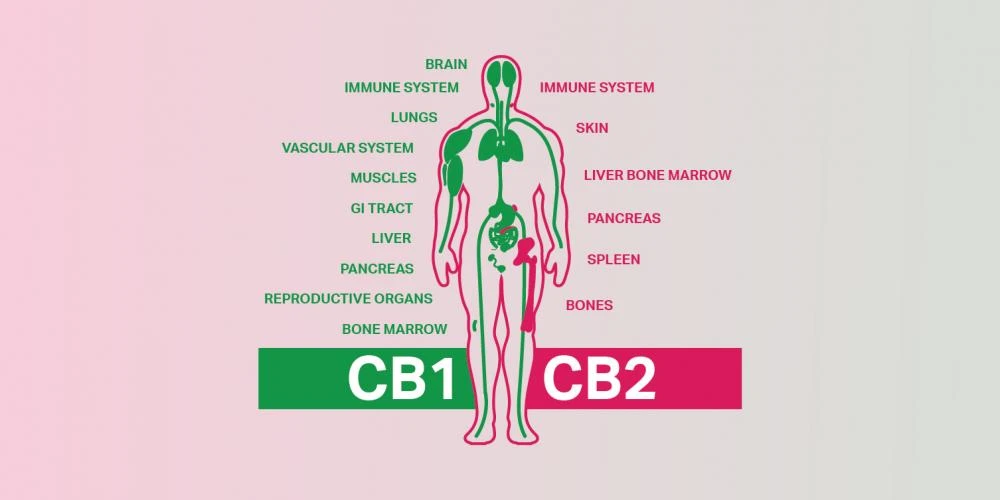
Cannabis is a plant that produces cannabinoids, terpenes, and other compounds that interact with the endocannabinoid system. That system helps regulate inflammation, metabolism, appetite, pain, sleep, mood, immune response, and neurological function.
This is where the real Cannabis story begins. Cannabis 3.0 is the shift from using Cannabis mainly for experience to understanding cannabinoids as tools that can influence biological systems in measurable ways.
The old market was built around broad labels like “indica” and “sativa.” Those labels helped early consumers navigate the shelves, but they are not strong enough for medicine, science, or serious health applications. The body does not respond to marketing categories. It responds to chemistry, dose, formulation, delivery method, and individual biology. Cannabinoids interact with receptors, enzymes, and signaling pathways throughout the body. These interactions can influence inflammation, metabolic function, neurological activity, and other core biological systems.
That is why Cannabis is now moving from anecdote toward evidence. Epidiolex, a purified CBD medicine, has already been approved by the U.S. Food and Drug Administration for certain forms of epilepsy, based on randomized controlled trials published in The New England Journal of Medicine.
The National Academies of Sciences, Engineering, and Medicine has also found substantial evidence supporting Cannabis use for chronic pain and chemotherapy-induced nausea. Research is now expanding into inflammation, neurological disorders, metabolic dysfunction, liver disease, obesity, insulin resistance, and healthy aging.
This is the direction of travel for the industry.
Cannabis is moving away from a market built mainly around strain names and THC percentages and toward a future built on defined cannabinoid profiles, consistent dosing, reproducible formulations, and clinical outcomes. That is the real shift behind Cannabis 3.0. It is the move from Cannabis as a product category to cannabinoids as biological tools.
“The shift we’re seeing is from Cannabis as a product to cannabinoids as tools within a biological system. Once you understand that, the opportunity becomes much bigger — and much more precise.”
— Clayton Smith
This matters because cannabinoids do not act on only one pathway. Through the endocannabinoid system, they can influence multiple systems at the same time, which creates a much bigger opportunity than symptom relief alone. Instead of asking only what effect a product creates, the better question is what biological system a cannabinoid profile is influencing and whether the result can be measured.
That is where Cannabis has to go next.
The industry needs more precision, more consistency, more science, and more clinical readiness if it wants to move from consumer promise to healthcare relevance. AULV Health operates inside this transition. The company is focused on cannabinoid science, metabolic health, inflammation, regulatory signaling, and healthy aging. Its approach is not to treat Cannabis as a standalone consumer category, but as part of a broader system for restoring balance in the body. Cannabis is not the whole solution. The body’s own regulatory system is the solution, and cannabinoids may become one of the most important tools we have to influence that system.
Follow Highly Capitalized Network–HCN for rolling business and finance news across Cannabis, psychedelics, and wellness. Subscribe at highlycapitalized.com for deeper analysis, executive interviews, and industry insights. AULV Health is advancing next-generation metabolic and cannabinoid-based solutions focused on inflammation, metabolic dysfunction, and healthy aging.
About the Author: HCN News Team

Related Posts