Cannabis, Inflammation, and the Next Frontier in Root-Cause Medicine







NEW YORK- Cannabis medicine is moving beyond pain, sleep, and anxiety. One of the most important next frontiers may be inflammation, because the endocannabinoid system plays a direct role in how the body regulates immune response, inflammatory signaling, pain, metabolism, and recovery.
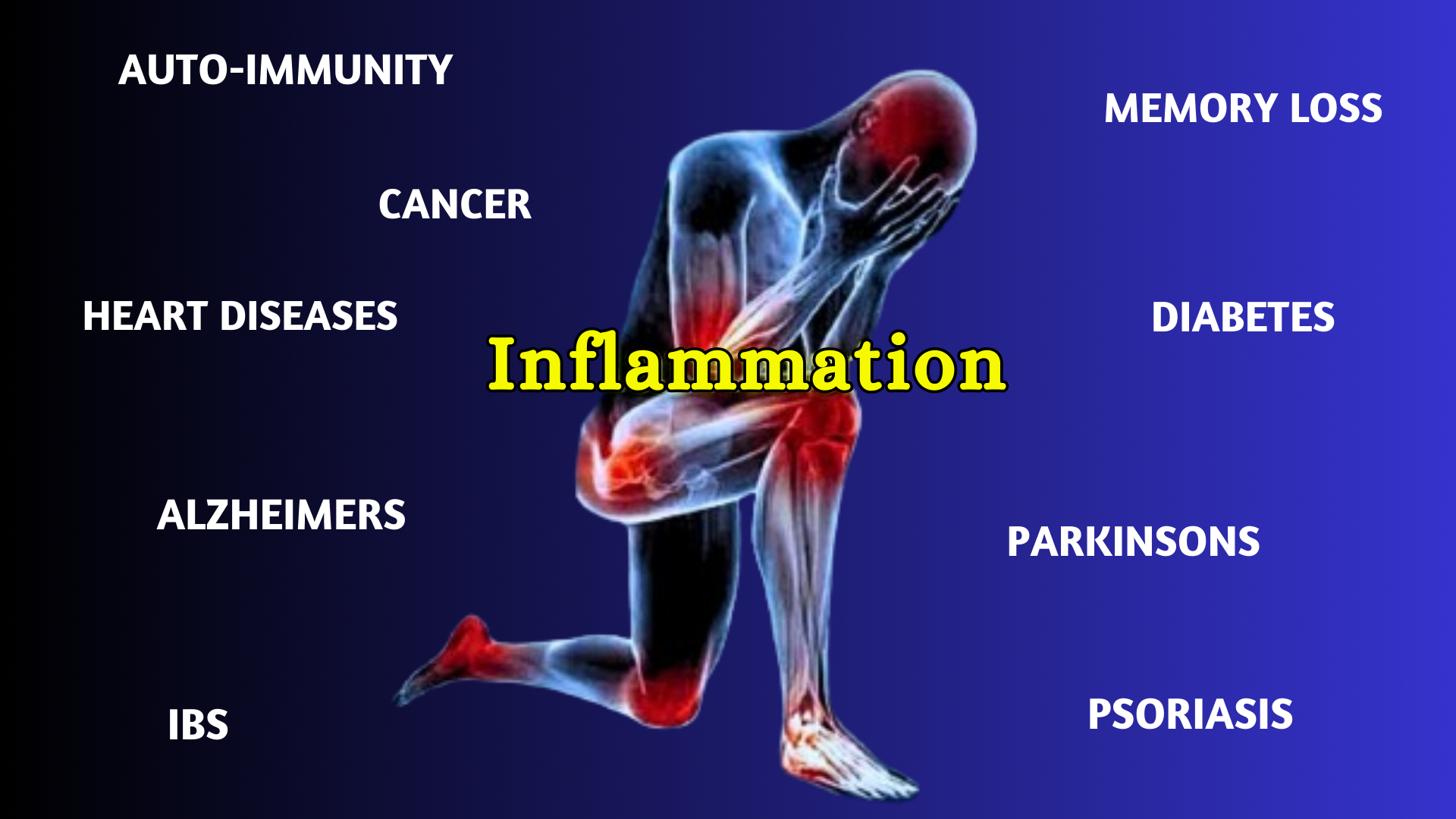
That matters because chronic inflammation is not just a symptom of disease. It is one of the biological mechanisms through which metabolic dysfunction, cardiovascular disease, diabetes, neurodegeneration, and aging progress. If cannabinoid-based medicine is going to move further into mainstream healthcare, inflammation is one of the places where the science becomes especially important.
The bridge between Cannabis and inflammation is the endocannabinoid system, a regulatory network involved in immune balance, inflammatory tone, appetite, metabolism, pain perception, and cellular repair. In particular, CB2 receptor signaling has drawn growing scientific interest because of its role in immune modulation and the resolution of inflammation.
Inflammation itself is not the enemy. In a healthy system, inflammation is precise, temporary, and tightly regulated. It is activated when the body needs to respond to injury, infection, or stress, and it resolves once repair is complete. The problem begins when inflammation does not resolve. At that point, it shifts from a protective mechanism into a driver of damage.
This transition from regulated inflammation to chronic inflammation is one of the defining features of modern disease. According to the World Health Organization, non-communicable diseases account for approximately 74% of global deaths, and a growing body of research has identified chronic low-grade inflammation as a common underlying factor across many of these conditions. Cardiovascular disease, type 2 diabetes, cancer, and neurodegenerative disorders all share inflammatory signaling as a central mechanism.
This is why cannabinoid science is becoming increasingly relevant to root-cause medicine. Cannabis is no longer being viewed only through the lens of symptom relief or intoxication. The larger question is how cannabinoid-based therapies may interact with the body’s own regulatory systems, especially when those systems have become dysregulated by chronic inflammation, metabolic stress, and aging.
The distinction between acute and chronic inflammation is critical. Acute inflammation is short-term and purposeful. It mobilizes immune cells to eliminate threats and initiate repair. Once the process is complete, inflammatory signaling shuts down. Chronic inflammation, by contrast, is low-grade, systemic, and unresolved. The immune system remains partially activated over time, creating continuous stress on tissues and organs.

The rise in chronic inflammation is closely tied to modern environmental conditions. Diets high in ultra-processed foods, sedentary behavior, chronic psychological stress, and disrupted sleep all contribute to sustained inflammatory signaling. These factors reinforce each other, creating a persistent inflammatory state. The body is designed for cycles of activation and recovery; when recovery is removed, inflammation becomes chronic.
Inflammation is also tightly linked to metabolism, creating a feedback loop that accelerates disease. As metabolic systems become impaired, inflammatory signaling increases. At the same time, inflammation further disrupts metabolic processes. Fat tissue plays a key role in this interaction. Far from being inert, adipose tissue is metabolically active and produces signaling molecules known as cytokines. In a dysfunctional state, it releases pro-inflammatory cytokines such as TNF-alpha and IL-6, which contribute to insulin resistance and impaired glucose metabolism.
This is where the endocannabinoid system becomes especially important. ECS signaling is involved in both immune and metabolic regulation, making it a potential bridge between inflammation, insulin resistance, appetite regulation, lipid metabolism, pain, and healthy aging. Emerging research suggests that cannabinoid pathways may influence how the body regulates inflammatory tone rather than simply suppressing inflammation outright.
At the cellular level, chronic inflammation is closely associated with oxidative stress. Under metabolic strain, mitochondria produce increased levels of reactive oxygen species, which damage proteins, lipids, and DNA. This damage triggers further inflammatory signaling, creating a self-reinforcing cycle. Over time, the result is progressive deterioration of cellular function.
Inflammation also has profound effects on the brain. Cytokines can cross the blood-brain barrier, influencing neurological function and activating microglia, the brain’s immune cells. Chronic inflammation has been linked to Alzheimer’s disease, depression, and cognitive decline, expanding its role beyond physical health and positioning it as a central driver of neurological and cognitive conditions.

For Cannabis medicine, this creates a much broader opportunity. The future of cannabinoid-based health may not be limited to treating isolated symptoms. It may involve supporting the regulatory systems that help the body manage inflammation, metabolism, immune response, pain, recovery, and cellular stress.
Traditional approaches to inflammation often focus on suppression. While this can reduce symptoms, it does not always address the underlying issue. The problem is not inflammation itself, but the loss of control over inflammatory processes. A healthy system requires activation, regulation, and resolution. Without resolution, inflammation becomes destructive.
“Inflammation isn’t the enemy — it’s a signal. The real issue is when we ignore the signal long enough, and the body loses the fight in regulating that signal. That’s when it shifts from repair to damage.”
— Clayton Smith
This distinction is central to the AULV Health approach: Root Cause + Restoration. AULV Health is focused on removing the root causes of inflammation and restoring balance across the systems that regulate it. This includes improving metabolic stability, reducing chronic stress inputs, and supporting regulatory systems such as the endocannabinoid system.

The objective is not simply to suppress inflammation. It is to help restore regulation.
That is why inflammation may become one of the most important frontiers in cannabinoid medicine. Cannabis science is moving beyond symptom management and into the deeper biology of regulation, resilience, and repair.
Follow Highly Capitalized Network–HCN for rolling business and finance news across Cannabis, psychedelics, and wellness. Subscribe at highlycapitalized.com for deeper analysis, executive interviews, and industry insights. AULV Health is advancing next-generation metabolic and cannabinoid-based solutions focused on inflammation, metabolic dysfunction, and healthy aging.
About the Author: HCN News Team

Related Posts