
Trump Fast Tracks Psychedelic Research
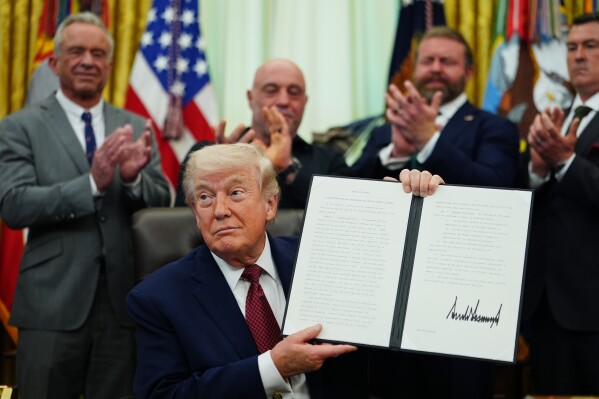






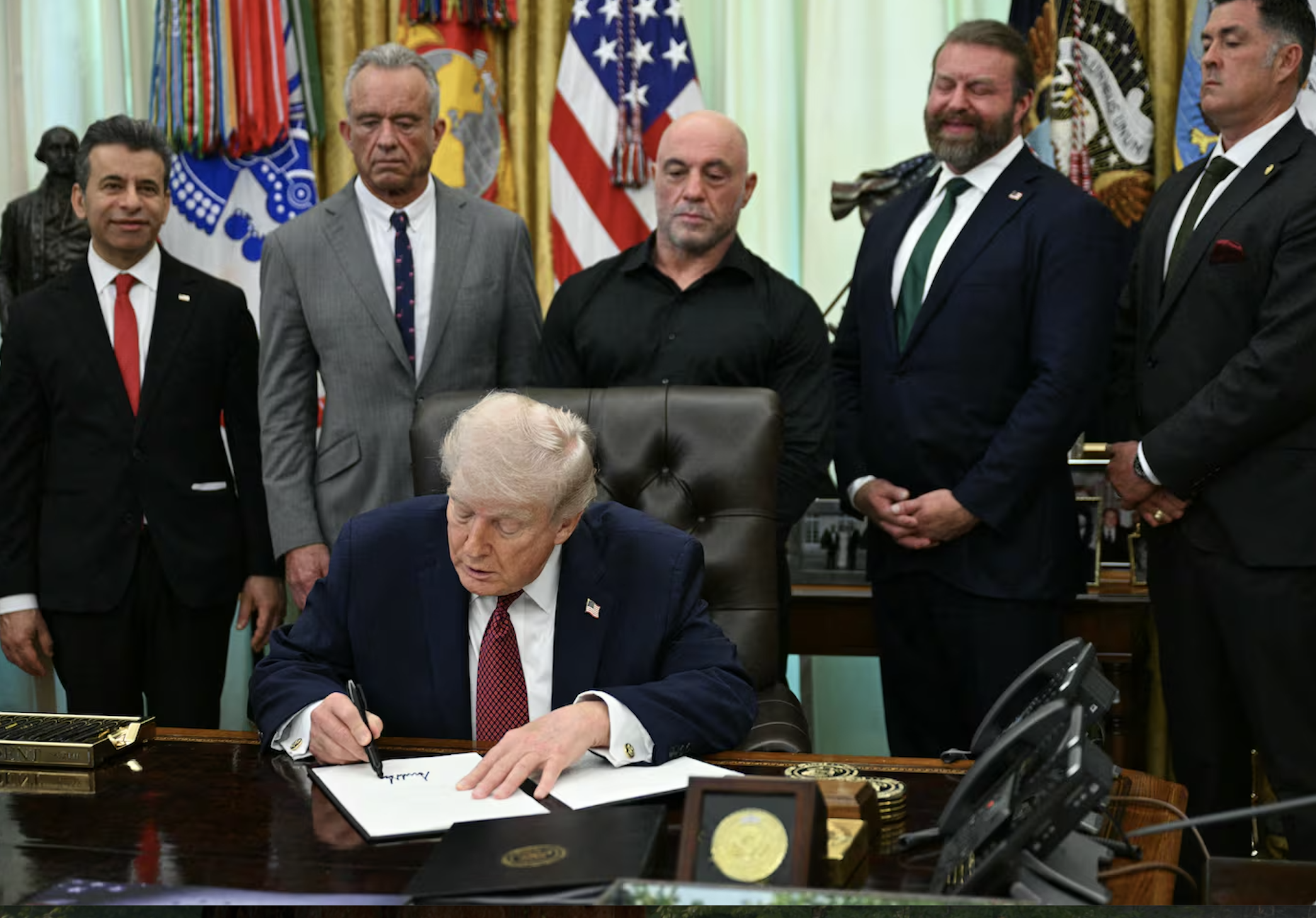
WASHINGTON D.C- President Donald Trump has signed a sweeping executive order to accelerate psychedelic research and expand patient access across the United States—marking one of the most significant federal policy shifts the sector has seen to date.
First reported by Psychedelic Alpha, the order directs federal agencies to reduce regulatory barriers, deploy funding, and compress timelines from clinical research to real-world access.
This is a category-level move.
While ibogaine has drawn early attention, the order applies broadly across psychedelic compounds—including psilocybin, MDMA, and LSD—signaling a wider federal embrace of alternative mental health treatments.
At its core, this is a capital and timing reset.
The administration is stepping in where private markets stalled. Through the Advanced Research Projects Agency for Health, up to $50 million in federal match funding will support state-led psychedelic research programs—immediately unlocking initiatives that had struggled to secure private co-investment, including Texas’ ibogaine program.
At the same time, regulators are being pushed to move materially faster.
The Food and Drug Administration is preparing to issue priority review vouchers to psychedelic drug developers, compressing approval timelines that typically run close to a year into a matter of months—and potentially weeks in certain cases. In parallel, the administration is attempting to reduce the lag between FDA approval and drug scheduling by instructing earlier coordination with the Drug Enforcement Administration.
If executed, the combined effect is a significantly shorter path from clinical data to commercial access.
There are also early signals of access expanding ahead of formal approvals. The order references an extension of the federal Right to Try framework, which could allow patients with treatment-resistant conditions to access investigational psychedelic therapies under medical supervision—potentially accelerating demand before traditional commercialization milestones are reached.
The policy is being framed squarely around the U.S. mental health crisis.
Federal agencies have been directed to work closely with the Department of Veterans Affairs to expand clinical trials, data sharing, and real-world evidence generation. Veterans—particularly those suffering from PTSD and co-occurring conditions—have become a central driver behind psychedelic policy momentum in the U.S., with roughly 30 studies already underway within VA systems.
 The political coalition behind the move is broader than it first appears.
The order follows sustained pressure from veteran advocacy groups and influential voices, including Joe Rogan, who has publicly supported ibogaine research and access. Rogan was present at the signing, highlighting the growing cultural and political alignment around the issue.
At the same time, support has been building across Republican-led states and among policymakers focused on veteran care—suggesting this is part of a longer-term policy shift rather than a one-cycle move.

There is, however, real risk and uncertainty.
Psychedelics remain classified as Schedule I substances, and any rescheduling will still depend on FDA approvals and subsequent regulatory action. The executive order attempts to streamline that process, but it does not eliminate it.
There are also clinical considerations. Ibogaine, in particular, carries known cardiac risks and has not yet been validated in large-scale trials, raising questions about how quickly access should expand relative to the underlying evidence base.

Execution remains the key variable.
Previous federal actions in adjacent areas—including Cannabis policy shifts—have shown that announcements do not always translate into immediate regulatory follow-through. Much will depend on how aggressively agencies implement the directives outlined in the order.
Even so, the signal from Washington is clear.
Federal capital is entering the space. Regulatory timelines are being compressed. Access pathways are expanding.
For researchers, operators and investors, that combination creates a new reality: the timeline for psychedelic development in the U.S. may no longer be measured in years—but in quarters.
Follow Highly Capitalized Network–HCN & subscribe to our newsletter at highlycapitalized.com for the latest business and finance news shaping the future of Cannabis, psychedelics, and wellness.
About the Author: HCN News Team

Related Posts