Missouri Senate Approves Bill to Ban Intoxicating Hemp Products
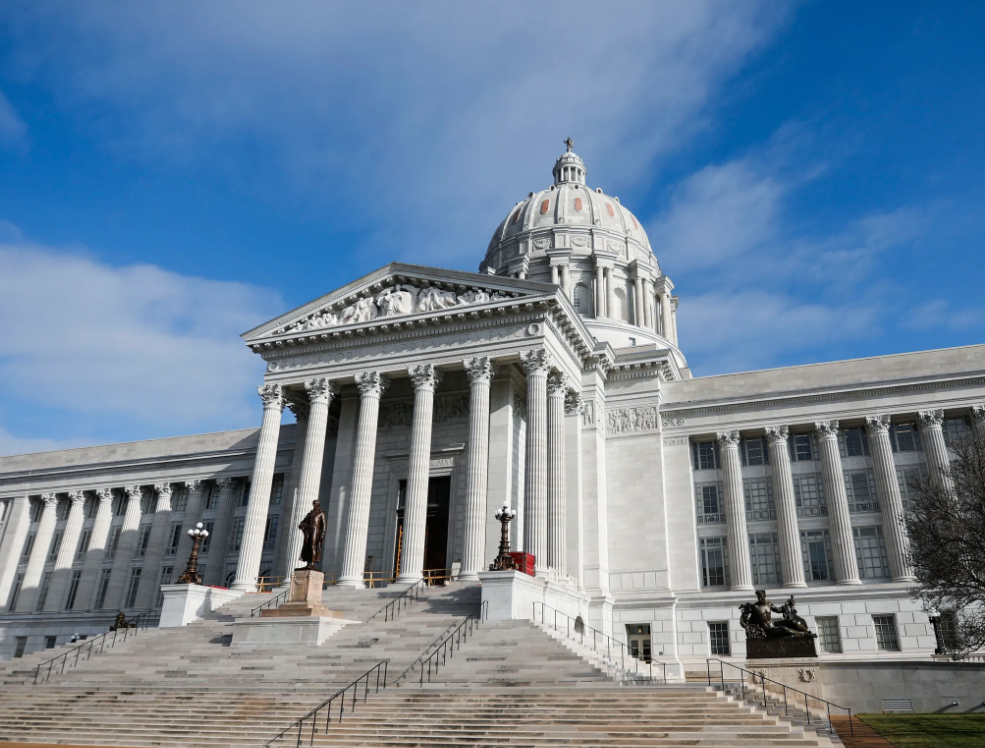






JEFFERSON CITY – The Missouri Senate approved the legislation, clearing a measure that would bar the sale of most intoxicating hemp-derived products outside the state’s licensed Cannabis dispensaries.
House Bill 2641, known as the Intoxicating Cannabinoid Control Act, redefines hemp under state law and classifies products exceeding 0.4 milligrams of THC per container [or those containing synthetic cannabinoids] as Cannabis. Such items would become subject to the same licensing, testing and sales rules that govern the state’s regulated Cannabis market. The changes take effect November 12, 2026, matching a federal redefinition of hemp included in last year’s spending package.
Lawmakers debated the bill for more than nine hours before passing the Senate version, which now returns to the House for fiscal review. The chamber originally approved the measure in February by a 109-34 vote. Sponsor Rep. Dave Hinman, a Republican from O’Fallon, described the proposal during House floor debate as an effort to bring state rules in line with forthcoming federal standards rather than break new ground.
The bill also contains provisions to shield the privacy of individuals who apply for or hold medical Cannabis IDs, preventing state agencies from disclosing that information in most circumstances.
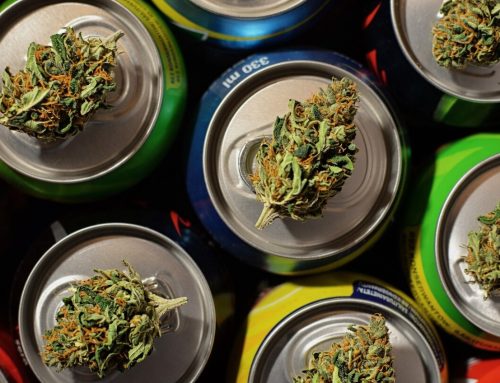
Missouri has tried three times in prior sessions to address intoxicating hemp products, with earlier efforts stalling in the Senate. This year’s version gained traction as the federal deadline approached, prompting retailers and producers to prepare for the shift. Hemp-derived THC beverages, gummies and similar items have been sold at convenience stores, smoke shops and other outlets across the state, creating a market that operates outside the licensed Cannabis system.
Industry representatives have noted that the change would limit sales channels for hemp businesses while directing those products toward the roughly 400 licensed dispensaries now operating in Missouri. State officials, meanwhile, have already begun enforcement actions, including cease-and-desist letters sent to retailers accused of violating existing rules on hemp products.
The approval comes at a time when Missouri’s Cannabis sector continues to mature under its 2018 medical and 2022 recreational programs. By routing higher-THC hemp items through licensed channels, the state aims to maintain oversight on potency, labeling and taxation while avoiding conflicts with federal law.
This development highlights a wider trend among states of aligning local regulations with national policies to reduce regulatory friction and encourage investment in legal and compliant businesses. As the transition unfolds over the coming months, the effects on supply chains, retail access, and capital allocation within Missouri’s regulated Cannabis space will attract close attention from market participants. The outcome could influence similar discussions in other states facing the same federal timeline.
About the Author: HCN News Team

Related Posts