C-Stores Press Ahead with Hemp-Derived Products as Regulations Tighten
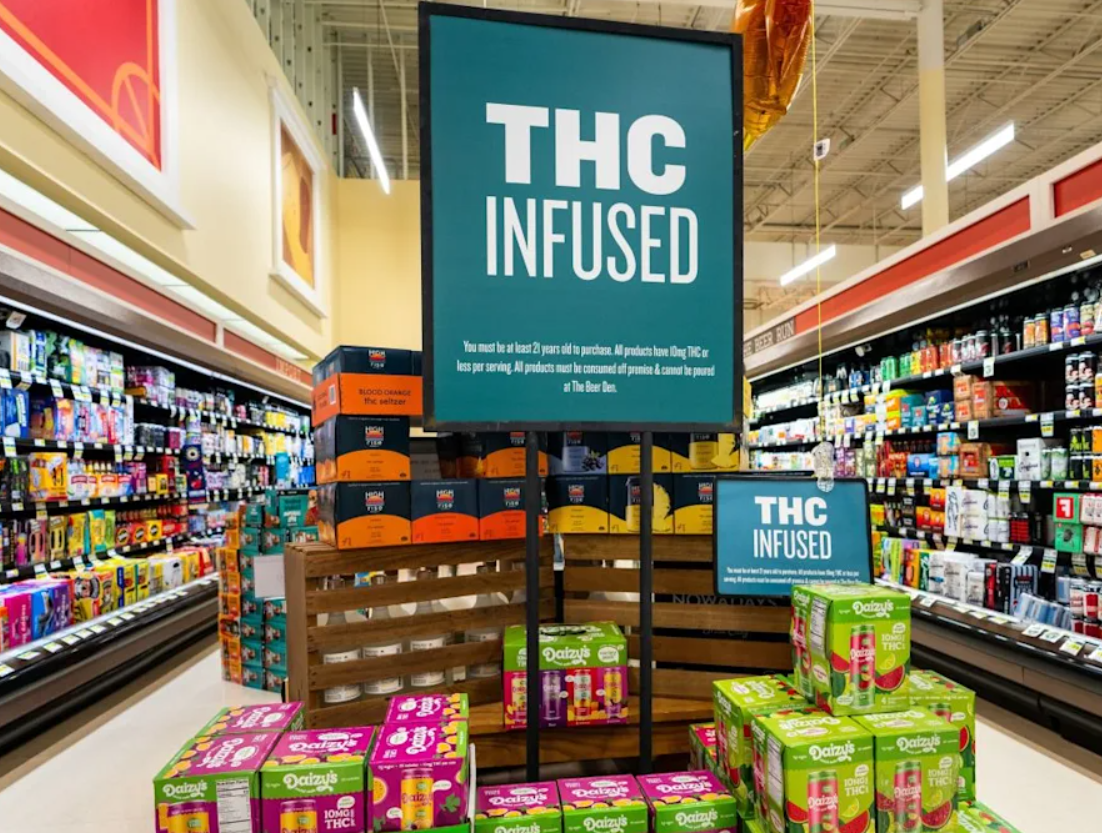






LOS ANGELES – Major convenience store operators keep stocking hemp-derived THC beverages and related items on shelves in states where sales remain legal, even as a federal overhaul set to take effect in November 2026 threatens to ban most of them nationwide.
The moves come after Congress approved changes in November 2025 to the 2018 Farm Bill’s hemp definition, capping total THC at 0.4 milligrams per finished container. The limit, which also bars most synthetically derived cannabinoids like delta-8 THC, effectively ends the unregulated sale of intoxicating hemp products outside licensed Cannabis channels once it activates. Recent advancement of the 2026 Farm Bill (H.R. 7567) by the House Agriculture Committee in early March made no provision for a delay.
Yet, retailers show no signs of pulling back where permitted.
Circle K franchisees began stocking VARIN hemp-derived THC beverages in dozens of Dallas-Fort Worth locations in January, marking the chain’s first THC drink offering in Texas. The company had already rolled out products from Horticulture Co., including a line branded by former NBA star Allen Iverson, in North Carolina, South Carolina and Florida late last year and maintains plans to reach as many as 3,000 stores across authorized markets sometime this year.
Target has tested similar THC-infused beverages in select Minnesota liquor stores, the first big-box retailer to do so in a state that has allowed such sales since 2022. Industry sales trackers from NielsenIQ have recorded triple-digit growth in convenience channels for these items in permitted markets.
The National Association of Convenience Stores (NACS) has taken a clear position against an outright prohibition. Jon Taets, the group’s director of government relations, stated that convenience outlets process more age-restricted transactions than any other retail format and already maintain the systems needed for responsible sales of adult beverages. “Convenience stores reach a large population of adult consumers who, by choice, will never step into a smoke shop or dispensary, but who already trust c-stores for age-restricted products,” said Justin Journay, founder of 3CHI, one of the largest hemp-derived THC manufacturers.
NACS supports federal regulation that includes safety standards, testing and age verification rather than a ban, arguing that prohibition risks driving sales into less accountable channels. The association has backed bills like the Hemp Enforcement, Modernization and Protection (HEMP) Act introduced in January to create a workable framework. Manufacturers, for their part, report investing in compliance infrastructure and continuing distribution plans under the assumption that policy can still shift before the deadline.
State-level actions have already created a patchwork. Ohio implemented restrictions on intoxicating hemp sales earlier this month, shifting high-potency items exclusively to licensed dispensaries. Several other states imposed limits in prior years. Still, where rules allow, convenience operators continue to treat the category as a natural extension of their adult-beverage sets, citing overlap with energy drink and beer buyers.
As the November 2026 deadline draws closer without legislative relief in the latest Farm Bill proceedings, the convenience sector’s sustained interest illustrates a practical reality in the hemp space: demand exists among mainstream consumers who prefer familiar retail settings over specialized outlets. Whether regulators respond with structured oversight or maintain the current course will determine if this channel remains viable or cedes ground to other formats. For now, the data and store-level decisions point to retailers betting that responsible access can coexist with tighter controls.
About the Author: HCN News Team

Related Posts