AbbVie Secures First Psychedelic PRIME Designation in Europe
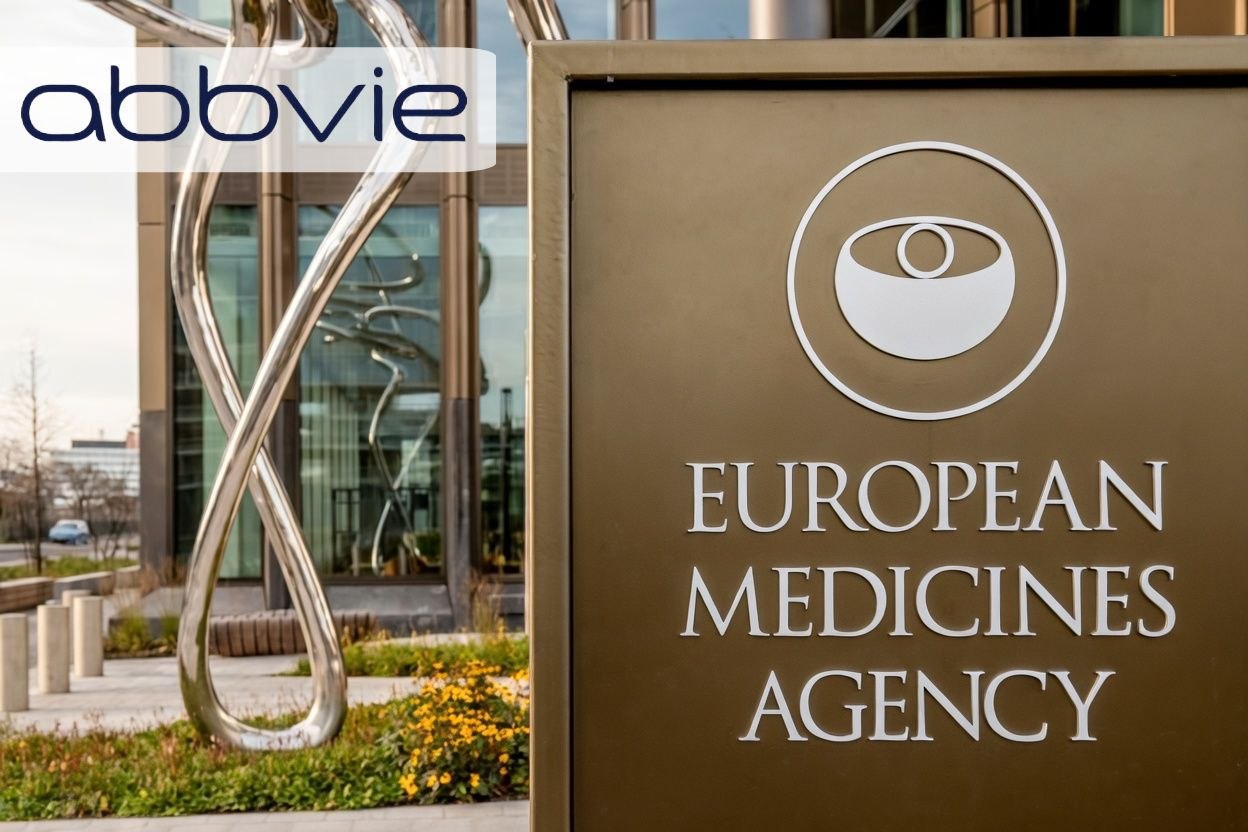






BRUSSELS – The European Medicines Agency (EMA) has granted Priority Medicines (PRIME) eligibility to bretisilocin, an investigational compound from AbbVie Inc. aimed at treating major depressive disorder (MDD). The decision adopted at the Committee for Medicinal Products for Human Use meeting positions the drug as the first psychedelic candidate to receive this designation.
PRIME offers early and ongoing dialogue with regulators to streamline development for medicines that address unmet needs. It functions much like the FDA’s Breakthrough Therapy Designation but stops short of any approval guarantee. Psychiatry has seen limited use of the program compared with fields like oncology, where dozens of candidates have qualified over the years.
Bretisilocin, a short-acting 5-HT2A receptor agonist and serotonin releaser, originated at Gilgamesh Pharmaceuticals under the code GM-2505. AbbVie acquired the asset in August 2025 for up to $1.2 billion and completed the deal in October. The compound is now in Phase 2 testing for moderate-to-severe depression, with data showing a psychoactive window of roughly 60 to 90 minutes – far shorter than classic psychedelics like psilocybin.
The eligibility rests on non-clinical and early clinical results that regulators viewed as promising enough to warrant closer support. That assessment arrives as the EMA has stepped up outreach to developers of mental-health therapies and as the European Union revises its pharmaceutical legislation with greater focus on unmet needs in psychiatry.
In the United States, the FDA has issued breakthrough designations to at least seven psychedelic programs in recent years. Europe’s move with bretisilocin therefore stands out as a concrete signal of regulatory openness on this side of the Atlantic, even if the bar for PRIME remains high and the number of psychiatry grants stays low overall.
Still, the designation changes nothing about the core requirements ahead. AbbVie must generate robust Phase 3 data, navigate full marketing authorization, and secure reimbursement from national health authorities – steps that have proven complex for any new psychiatric treatment.
For the psychedelics sector, this development highlights a subtle yet profound shift. Large pharmaceutical companies continue to place calculated bets on next-generation compounds that aim to deliver therapeutic benefit with fewer logistical hurdles than traditional psychedelics. Whether bretisilocin translates those early signals into approved therapy will depend on the same factors that decide every other candidate in the pipeline: clean efficacy data, tolerable safety, and workable delivery models.
Here at Highly Capitalized Network-HCN, we view this recognition as one piece of evidence in a wider trend. While regulators on both continents are listening more closely to the science, patient access still turns on execution in the clinic and the willingness of health systems to pay.
AbbVie’s bretisilocin has cleared an initial gate in Europe.
The real challenge, however, lies in the trials that follow.
About the Author: HCN News Team

Related Posts