REVIEW: CannBev Summit-Recap from Brandon Bobart
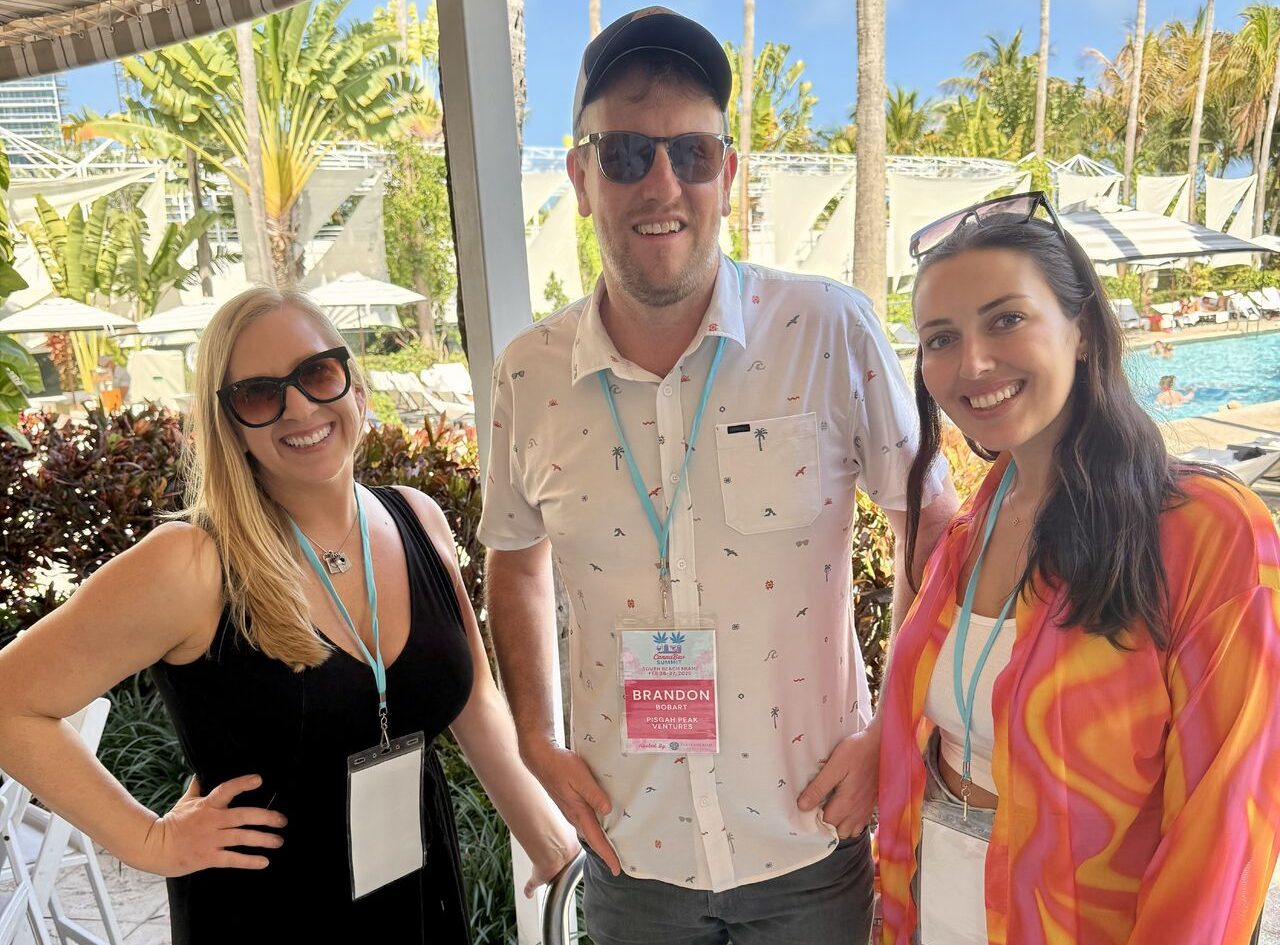






MIAMI – The CannaBev Summit in Miami Beach took place at a pivotal moment for the hemp-derived THC beverage industry.
The uncertainty referenced throughout the event is regulatory and political. Specifically, it centers on whether intoxicating hemp-derived THC beverages will continue to be federally permitted under the 2018 Farm Bill framework, or whether Congress and federal agencies will impose stricter limits, clearer federal definitions, packaging requirements, mandatory testing standards, milligram caps, or enhanced oversight.
Some policymakers have expressed concern that intoxicating hemp products expanded beyond what they originally envisioned when hemp derivatives containing less than 0.3% delta-9 THC by dry weight were legalized. That debate is ongoing in Washington — and it will shape the next phase of this category.
Against that backdrop, this year’s Summit stood out as one of the most substantive gatherings in the space.
The Event Itself
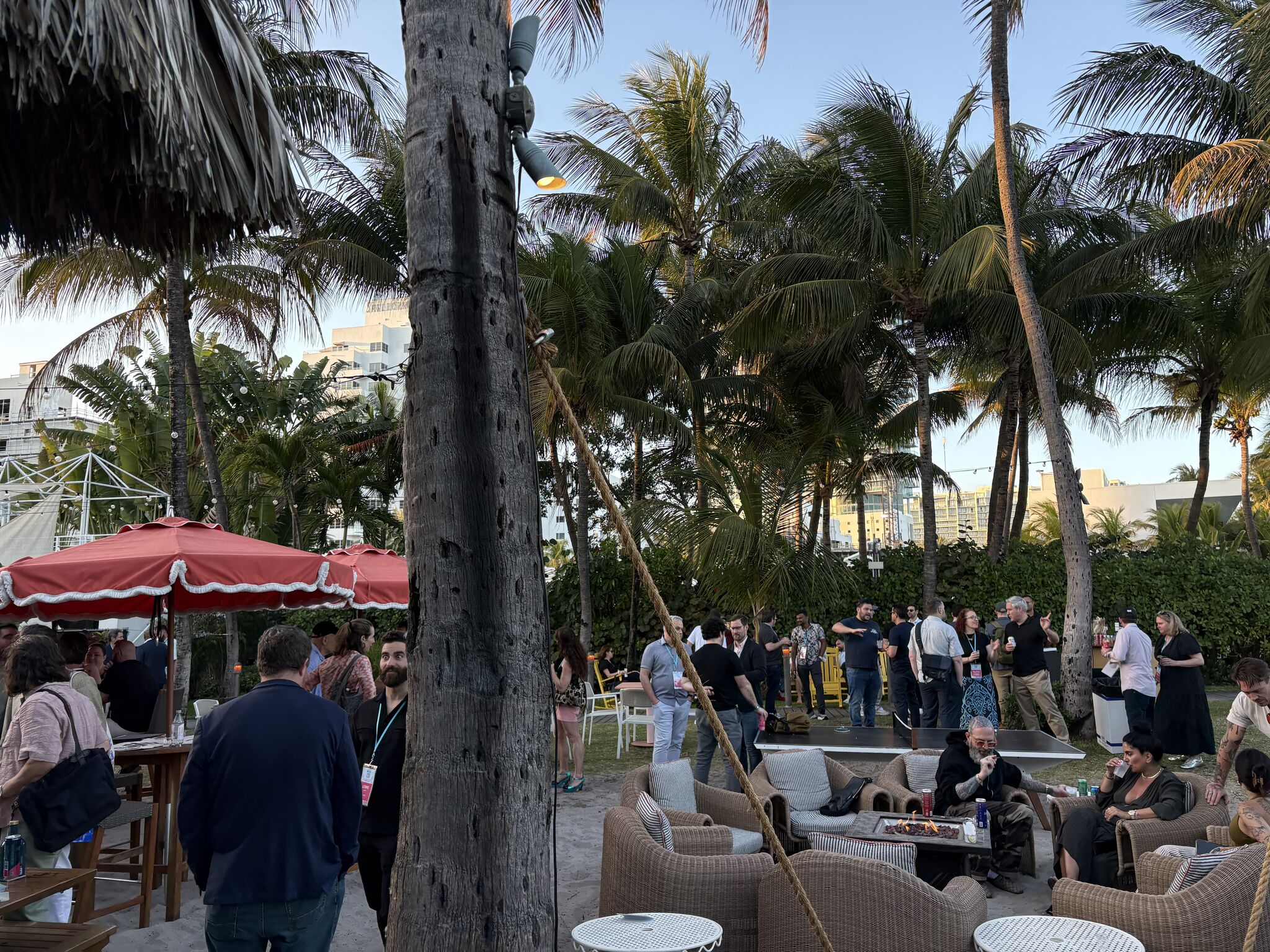
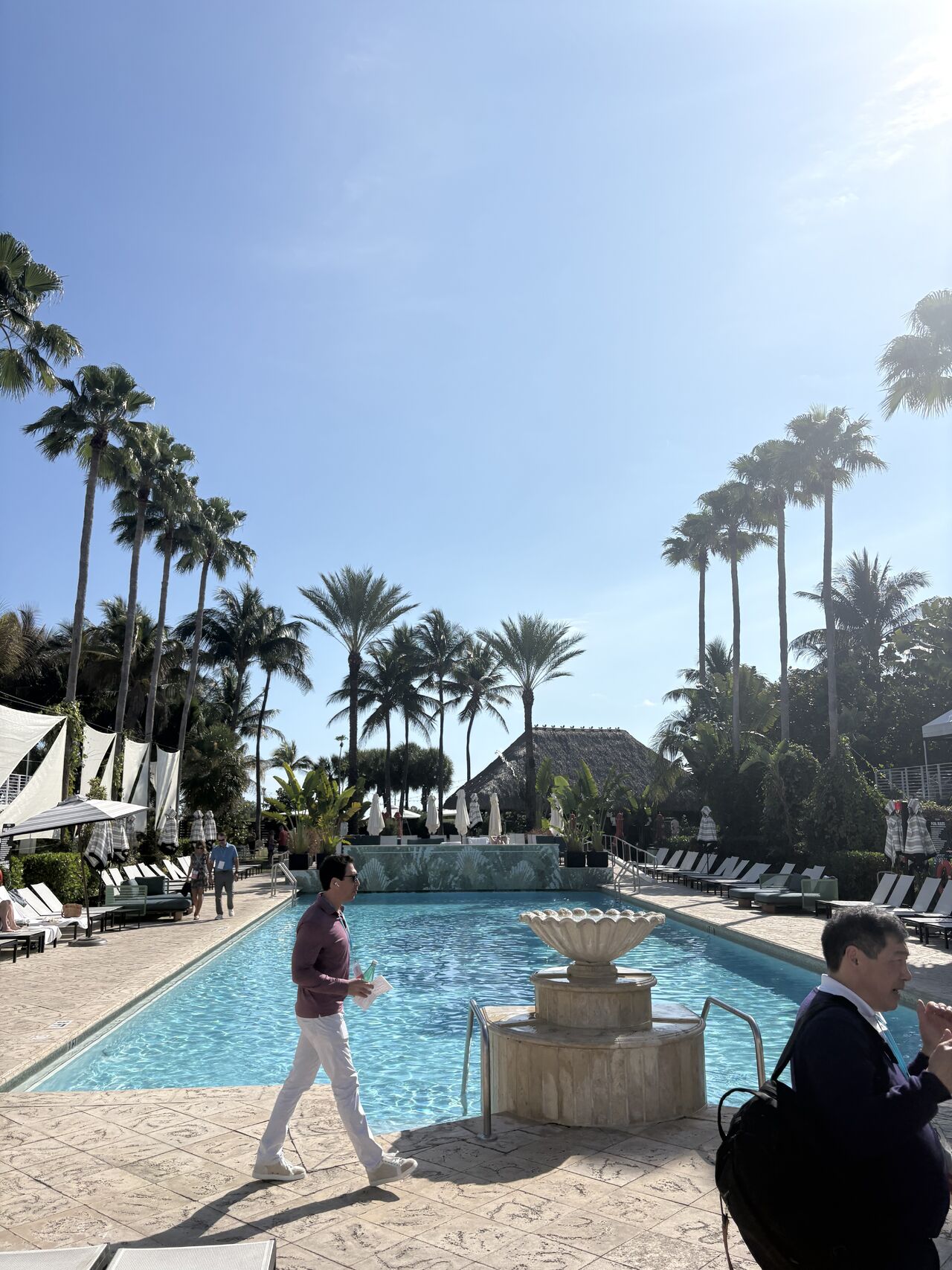
The venue was tropical and high-end — right on the beach at a beautiful Miami hotel. The execution was thoughtful: strong hospitality, excellent food, helpful staff, and even small details like stocked waters in conference rooms.
More importantly, the attendees were top-notch. The room was filled with high-level operators, distributors, and executives with real influence. Because of that, I felt comfortable walking up to CEOs of eight-figure companies and having casual but meaningful conversations. That accessibility is rare.
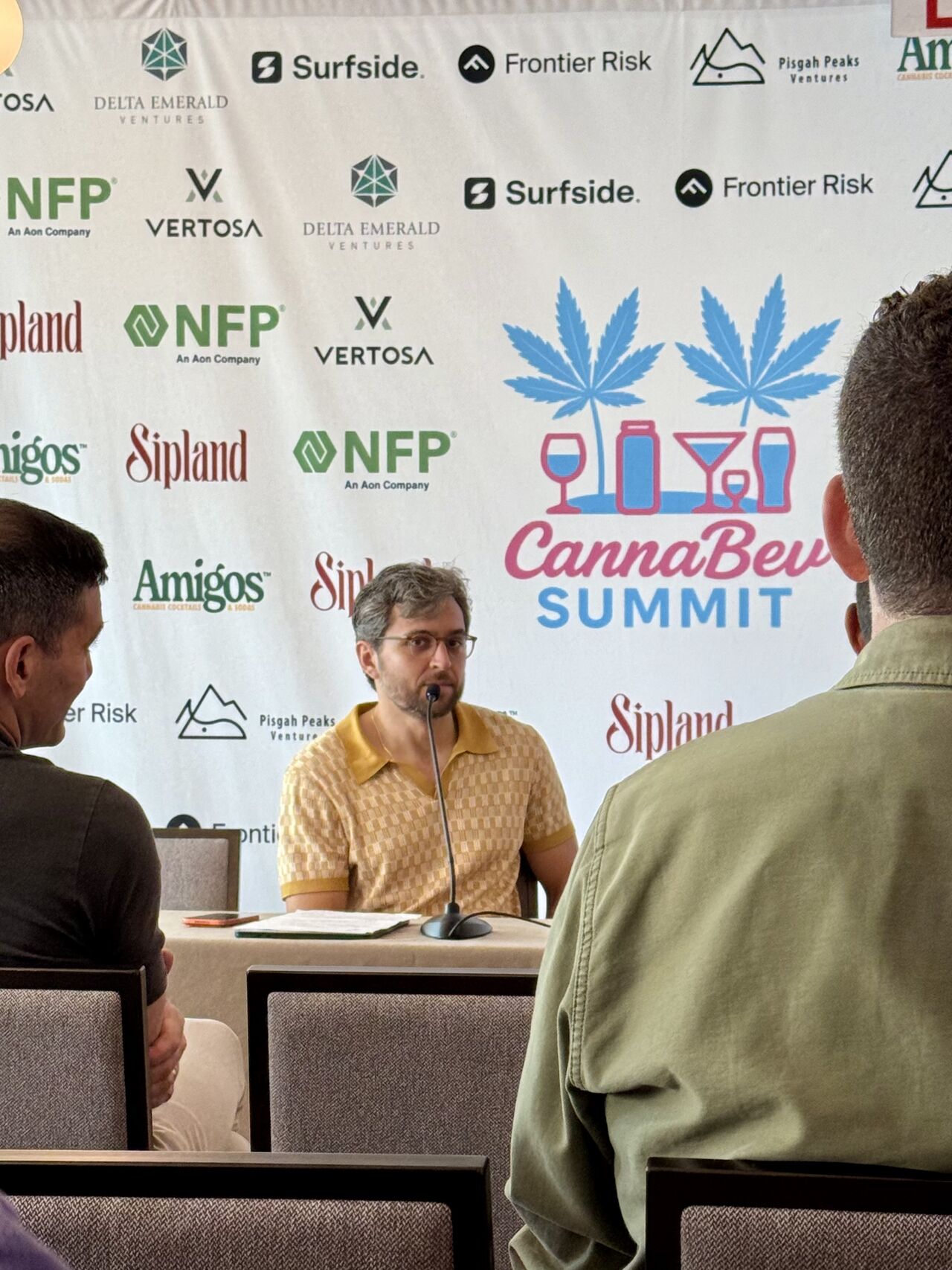
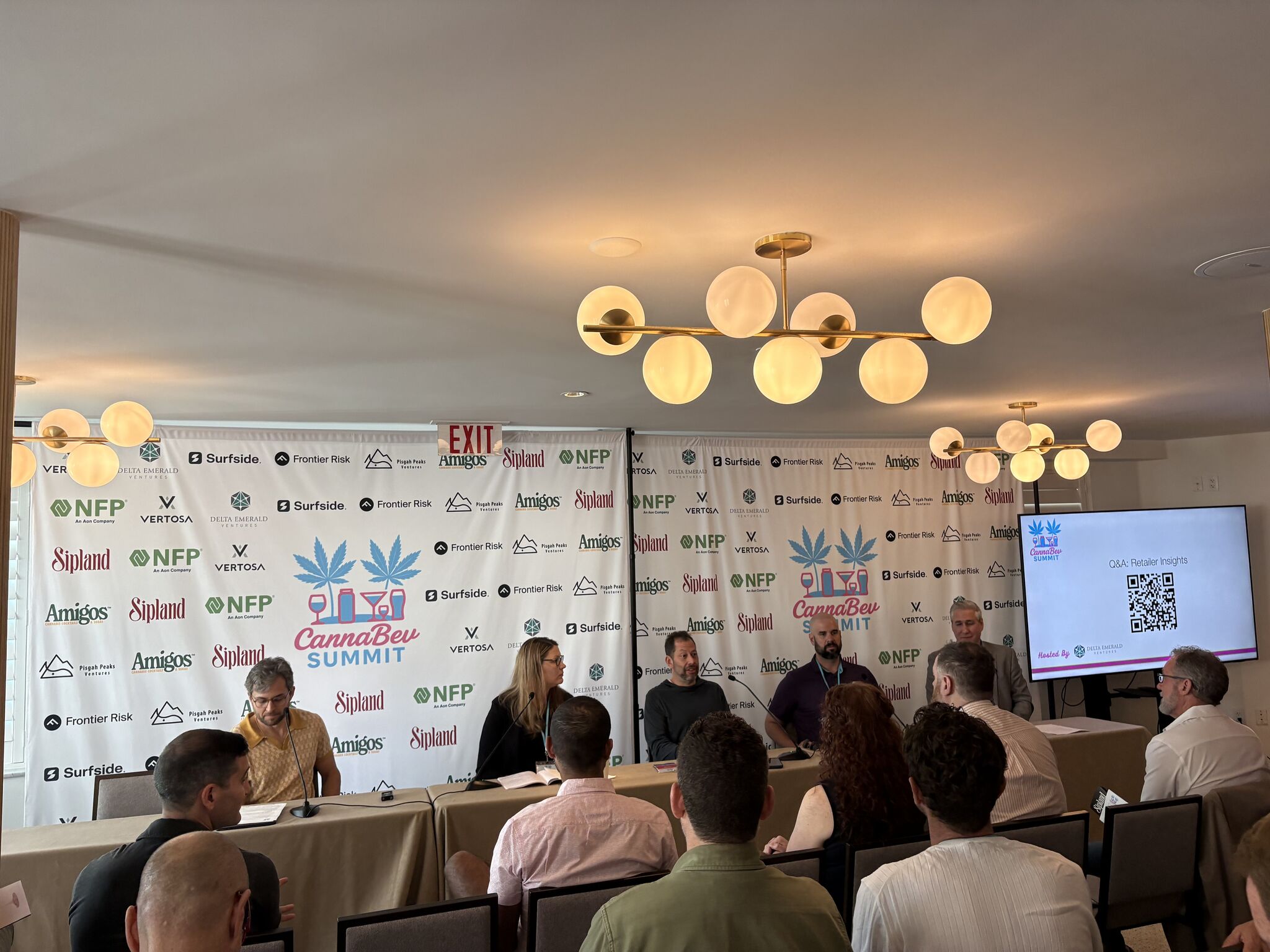
The panels were also strong. They weren’t disguised sales pitches. Sessions were long enough to dig into complex topics — distribution mechanics, compliance exposure, retail strategy — in real depth.
Distribution: A Strategic Advantage
One of the clearest takeaways came from major distributors and national retailers — including companies like Total Wine and Circle K — who made it clear they view THC beverages as a viable category worth investing in.
If they believed this was temporary or legally doomed, they wouldn’t be allocating resources.
There was significant discussion around the three-tier alcohol distribution system. The U.S. has more than 100 years of experience using this structure to regulate alcohol safely and consistently. Consumers do not worry about counterfeit alcohol in this country the way they do in other parts of the world. That system provides accountability and traceability.
Rather than resisting it, many speakers argued the THC beverage category may benefit from aligning with frameworks regulators already understand.
Political Capital and Necessary Concessions
The hemp beverage space currently has limited political leverage.
Some lawmakers, including Senator Mitch McConnell, have publicly indicated frustration about how intoxicating hemp products evolved following the 2018 Farm Bill. That perception matters.
If the category expects long-term durability, concessions will likely be required:
- Defined milligram limits
- Child-resistant packaging
- Rigorous third-party testing
- Clear labeling standards
- Responsible marketing practices
The message was pragmatic: be prepared to give something up in order to protect the broader opportunity. Policymakers cannot become experts in every niche category. A unified narrative around safety and responsible access is critical.
Low Dose Is the Path
Another strong theme was dosage discipline.
If a new consumer purchases a 50 mg THC beverage without understanding the impact, the experience could be overwhelming. That doesn’t just lose a customer — it risks negative press and regulatory backlash.
Responsible, low-dose, sessionable products are more likely to build repeat customers and long-term credibility.
Retail Reality
For new brands, there was clarity around what it takes to secure shelf space.
Large wholesalers carry thousands of SKUs. They cannot onboard every inbound brand. One wholesaler explained they look for defined segments within the category — premium, price-sensitive, fruit-forward, tea-based, recreational positioning, and others.
Beyond product fit, they evaluate:
- Funding stability
- Operational scalability
- Automation capability for picking and packing
- The brand’s own marketing push to support sell-through
Shelf space is competitive. Execution matters as much as formulation.

Product Quality Has Improved
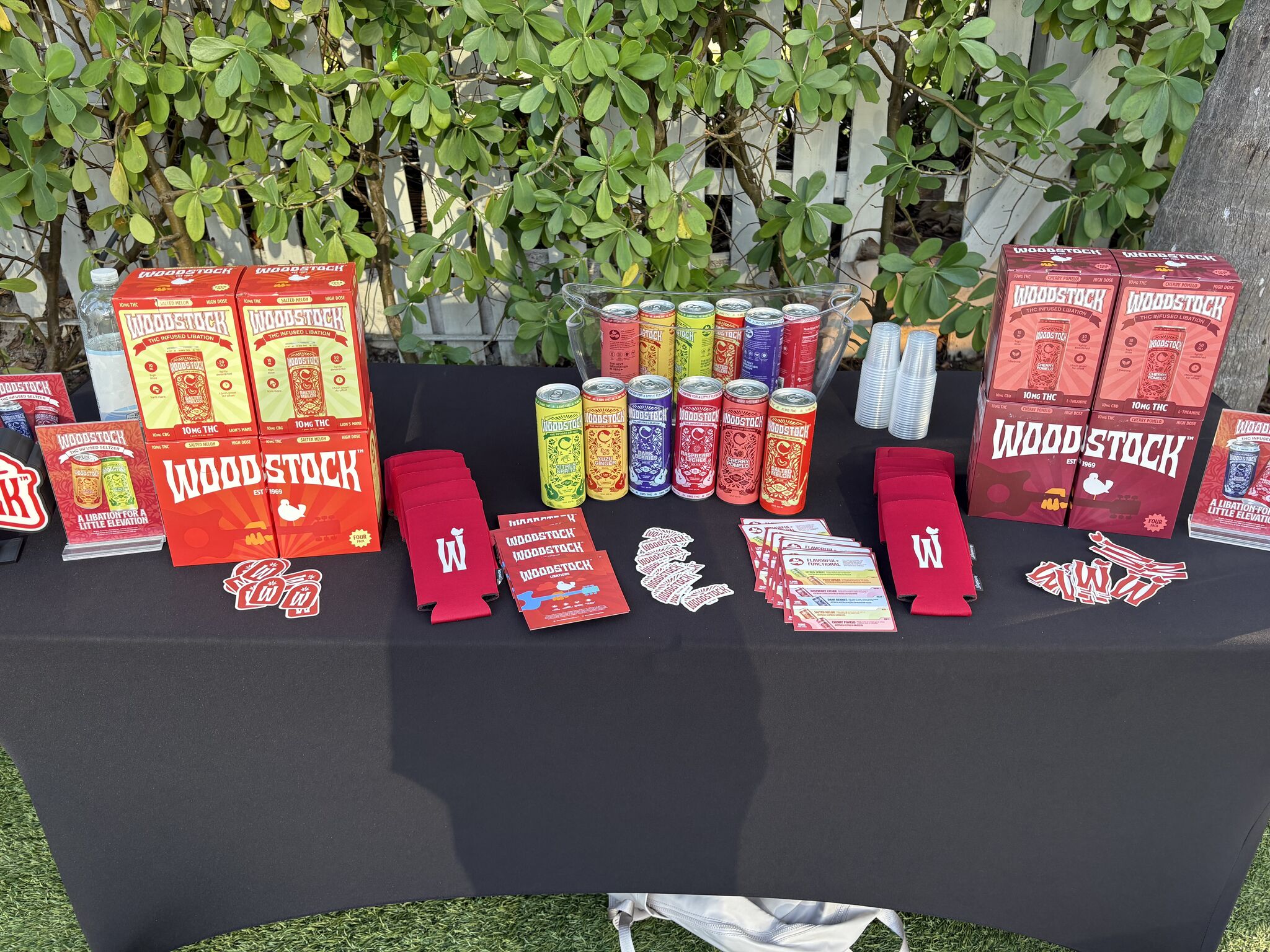
One encouraging note: the quality of THC beverages today is dramatically better than it was four or five years ago. Flavor profiles are more refined. Onset times are more predictable. Overall consumer experience continues to improve.
That evolution strengthens the category’s case that it can operate responsibly within mainstream retail channels.
The next several months — particularly as federal discussions around hemp regulation continue — will be pivotal.
What I saw in Miami was a room full of serious operators who understand that growth requires discipline, cooperation, and strategic compromise.
That’s a strong foundation.
About the Author
Brandon Bobart is the founder of Pisgah Peaks Ventures and a co-owner of Franny’s Farmacy Franchising, where he helped scale a successful CBD retail concept into a multi-state franchise. With a background in digital marketing and organizational leadership, he has spent the past decade helping small businesses grow through strategic marketing and operational execution.
He is also a proud husband, father, and happily owned by a wonderful dog.
Copyright © 2026 Highly Capitalized Network and Brandon Bobart. All rights reserved. Images courtesy of the author.
About the Author: HCN News Team

Related Posts