
Arizona’s Cannabis Social Equity Licenses: Intent Versus Outcome
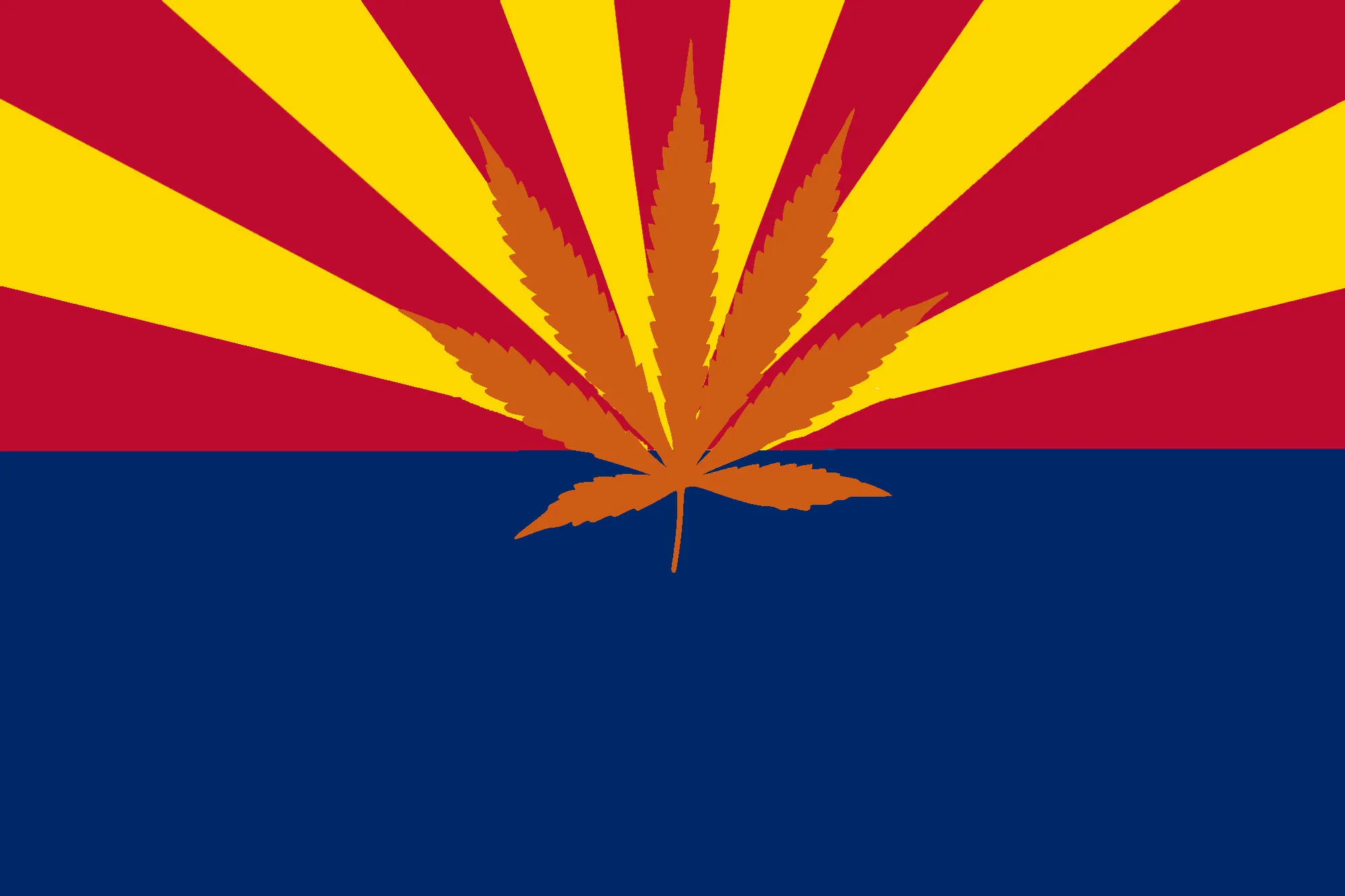

PHOENIX — The State of Arizona’s well-intentioned efforts to address historical disparities in the cannabis industry appear to be veering off course. A deep dive into the allocation of social equity licenses, designed to benefit those who were adversely affected by the war on drugs, reveals that these permits might be benefiting established corporate entities more than the intended recipients.
Out of the 26 cannabis social equity licenses issued by the state in the previous year, only four license holders maintain an equity position in their businesses today. This revelation, sourced from the Arizona Center for Investigative Reporting, points to the overwhelming influence of larger dispensaries and private investors in the industry.
Specifically, 10 of these 26 licenses were initially awarded to major dispensaries, overshadowing the smaller businesses they were designed to help. The current landscape? “Half the licenses are now owned outright by existing corporate dispensaries, with 10 more being in the grasp of private investors,” the center stated.
Legal disputes also seem to plague the social equity licensees. Four of them have found themselves entangled in legal wrangles with investors or significant corporate entities over the decisive control of their businesses. As a result, of the 13 social equity cannabis establishments that have commenced operations, a mere one did so without the influence or backing of a corporate partner. The others, according to reports, operate under recognizable brand names like Sol Flower, JARS Cannabis, Story Cannabis, and Mint Cannabis.
Tom Dean, a legal expert in the cannabis domain, candidly remarked, “At this stage, referring to it as a ‘social equity program’ seems a stretch, as most qualified social equity applicants have been either bought out or edged out of the very licenses they facilitated.”
A closer look at some of the individuals who faced legal challenges over their licenses paints a clearer picture:
- Anavel Vasquez’s license transitioned to a Wyoming-based LLC, Helping Handz, through arbitration. The permit is now utilized by Story Cannabis, which runs 16 dispensaries in the state.
- Keiandrea Mandley relinquished her license to Mohave Cannabis Co. due to what has been described as a “predatory” agreement she had earlier signed.
- Meagan Dixon and Shonae Johnson parted ways with their license to a New York-based LLC, ACP Investments, post a court dispute.
- Denzel Mason’s permit was taken over by Copperstate Farms after a concluded lawsuit. Copperstate finalized a buyout agreement with Mason in August, though the financial details remain undisclosed.
As Arizona grapples with the challenge of ensuring equitable distribution in its burgeoning cannabis industry, these unfolding narratives signal the need for more robust regulatory oversight and protective measures for vulnerable entrepreneurs.
ABOUT HCN NEWSWIRE

HCN Newswire covers cannabis business and finance, from capital markets and companies to policy, retail, and emerging-market developments. We follow the decisions, deals, and market shifts shaping the industry.
KEEP READING