New Study: Medical Cannabis Linked to Measurable Sleep Improvements






NEW YORK- A newly published observational study in PLOS Mental Health adds real-world data to the ongoing discussion around Cannabis and sleep therapeutics.
Researchers analyzed outcomes from 124 patients enrolled in the UK Medical Cannabis Registry who were prescribed cannabis-based medicinal products (CBMPs) after failing to respond to conventional insomnia treatments. The data were reported by NORML on February 19, 2026.
Study Structure
Patients were assessed at baseline and at 1, 3, 6, 12, and 18 months.
Participants consumed either:
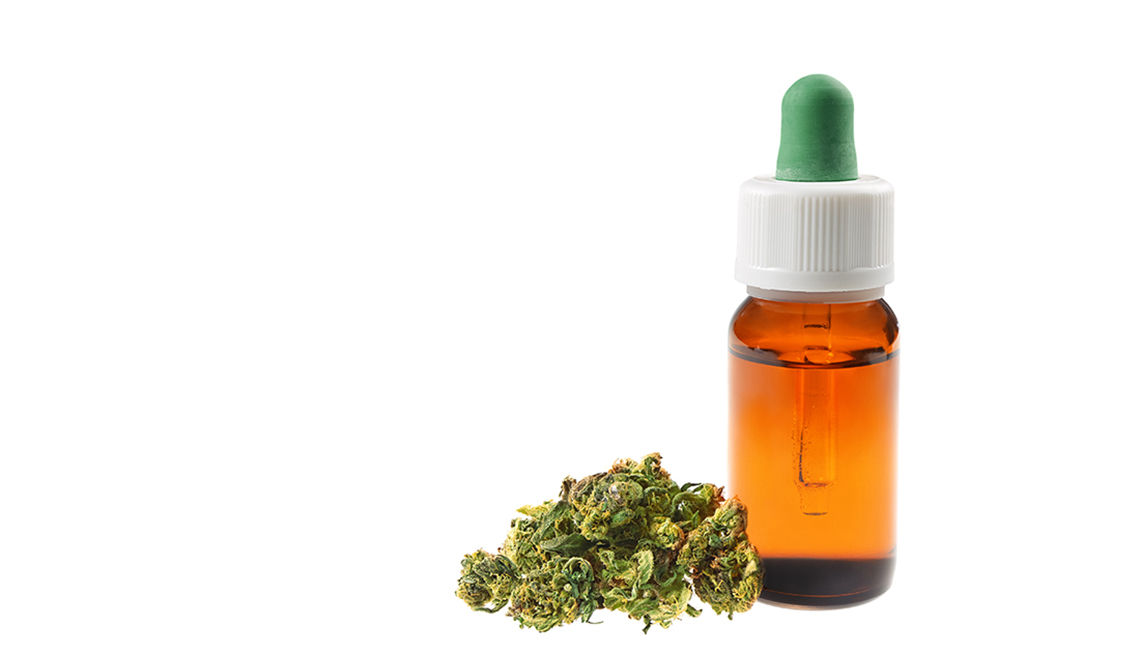
- Dried herbal Cannabis
- Oil extracts standardized for THC and CBD concentrations
The registry design is observational, meaning outcomes reflect real-world prescribing patterns rather than randomized controlled trial conditions.

Reported Outcomes
Participants demonstrated:
- Improvements in sleep-specific metrics
- Reductions in anxiety and depression scores
- Gains in health-related quality of life (HRQoL)
Fewer than 10 percent of patients reported adverse events. Most were categorized as mild or moderate, including fatigue and dry mouth.
Investigators described the association between CBMP use and improved sleep outcomes as “promising,” while also flagging a notable signal: effect magnitude declined over time. That trend suggests tolerance development may attenuate sleep benefits for some patients.
The authors explicitly called for high-quality randomized controlled trials (RCTs) to determine long-term efficacy and safety for primary insomnia.

Context: What Consumer Data Actually Show
Separate from the UK medical registry, earlier U.S. consumer research provides additional perspective.
A 2019 study conducted by researchers at Albert Einstein College of Medicine and University of Miami and published in the Journal of Psychoactive Drugs surveyed 1,000 adult-use Cannabis consumers in Colorado retail markets.
The findings:
- 74% of participants reported using Cannabis for sleep
- 84% of those who used it for sleep said they found it helpful
That study is frequently cited in media coverage, including by Rolling Stone.
It is important to distinguish between datasets:
- The UK registry evaluates diagnosed insomnia patients under medical supervision.
- The Colorado survey captures self-reported motivations among retail adult-use consumers.
Different populations, different methodologies — but both reinforce that sleep remains one of the most commonly cited reasons for Cannabis consumption.
A Structural Shift Toward Medical Discipline
As sleep becomes a clinically relevant category, a structural shift is emerging within parts of the industry. Companies preparing for this next phase are investing in:
- Standardized cannabinoid ratios
- Controlled extraction and manufacturing protocols
- Dosing repeatability
- Real-world evidence tracking
AULV Health, is a full-botanical therapeutics company focused on what many describe as Cannabis 3.0 — prioritizing repeatable dosing, controlled manufacturing, and clinician-ready delivery formats over retail hype. Operators such as AULV Health represent this cohort — firms leaning toward clinician-ready formats and pharmaceutical-style consistency rather than retail potency competition. The emphasis is not branding or lifestyle positioning, but process control and outcome reliability.
Whether Cannabis-based sleep therapeutics ultimately gain deeper institutional acceptance will depend less on consumer enthusiasm and more on durable clinical validation. Registry data offer encouraging signals. The next phase will require controlled trials, regulatory clarity, and manufacturing rigor that can withstand medical scrutiny.
For operators, the opportunity is clear: sleep is not simply a marketing narrative. It is becoming a proving ground for whether Cannabis can transition from retail category to regulated therapeutic platform.
Market Implications
From an operator standpoint, several signals emerge:
- Sleep continues to function as a primary entry point into both medical and adult-use markets.
- Standardized oil-based formulations align more closely with clinician expectations around dosing precision.
- Tolerance dynamics may shape long-term product design strategies.
As regulators scrutinize health claims more closely, observational evidence — while directionally encouraging — will not replace randomized clinical data. Companies seeking durable positioning in sleep-adjacent therapeutic categories will need deeper clinical validation to sustain long-term credibility.
For now, the data point in a consistent direction: whether in controlled UK registries or Colorado retail surveys, a significant share of Cannabis consumers associate the plant with improved sleep outcomes.
About the Author: HCN News Team

Related Posts