Trump Sets Plans for Cannabis Reclassification Executive Order
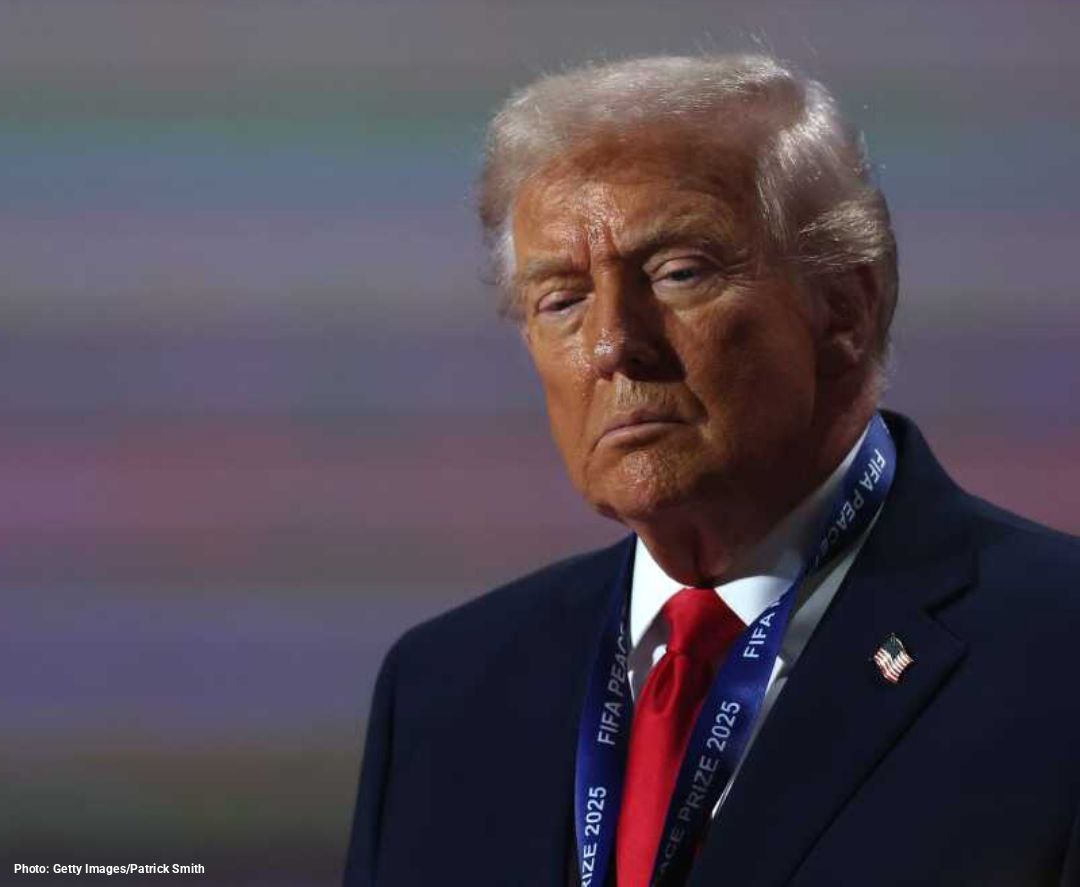






WASHINGTON – President Donald Trump is set to direct federal agencies to reclassify Cannabis from its current Schedule I status to Schedule III under the Controlled Substances Act, a step that would align federal oversight with drugs like certain pain relievers and anabolic steroids. The anticipated executive order would mark a significant adjustment in national drug policy, though officials emphasized that no final decision has been made.
The move stems from a recent White House call involving Trump, House Speaker Mike Johnson, Health and Human Services Secretary Robert F. Kennedy Jr., Centers for Medicare & Medicaid Services Administrator Mehmet Oz, and several Cannabis industry leaders, where the president signaled his intent to advance rescheduling. Under Schedule I, Cannabis sits alongside substances like heroin, with federal law deeming it to have no accepted medical use and a high abuse potential. A shift to Schedule III would acknowledge therapeutic applications while maintaining controls on distribution, potentially easing research barriers and opening doors to conventional banking for state-licensed operators burdened by Section 280E tax rules.
Word of the plan leaked Thursday afternoon, prompting an immediate rally in Cannabis equities. Shares of major multi-state Cannabis operators climbed 12-35% in after-hours trading, while AdvisorShares Pure US Cannabis ETF (MSOS) were up between 20-31% in morning trading, reflecting investor bets on reduced compliance costs and expanded capital access.
Trump’s pivot builds on groundwork laid during his campaign, where he pledged to examine Cannabis policy within weeks of taking office. It also echoes a stalled process initiated under President Biden in 2022, when the Department of Health and Human Services recommended rescheduling but the DEA postponed public hearings indefinitely. Legal experts caution that even with an executive nudge, full implementation would require a formal rulemaking period, likely spanning months and inviting public comment, a timeline that tempers short-term expectations.
For the $35 billion state-legal market, comprising medical programs in 38 jurisdictions and recreational sales in 24, the change would not equate to outright legalization but could stabilize operations by curbing federal-state frictions. Banking access, a perennial pain point, might improve as Schedule III status aligns Cannabis more closely with pharmaceutical norms, while tax deductions on business expenses could boost cash flows by an estimated 30-40% for many businesses.
The signal from the White House underscores a pragmatic recalibration: federal policy catching up to voter-approved reforms that have generated $4.4 billion in state tax revenue last year alone. If enacted, rescheduling won’t instantly change the game, but it will set the industry up for gradual growth, rewarding compliance and innovation in equal measure. Watch for details in the coming days. Ultimately, execution is what matters most.
About the Author: HCN News Team

Related Posts