OPINION: The Cannabis Industry That Left Black America Behind







LOS ANGELES- America’s legal Cannabis industry loves to tell a redemption story: a plant once criminalized is now regulated, normalized, and generating billions in tax revenue. But redemption for whom?
Black History Month shouldn’t just be about celebration. It should force a real conversation about whether industries built on past harm have actually delivered repair.
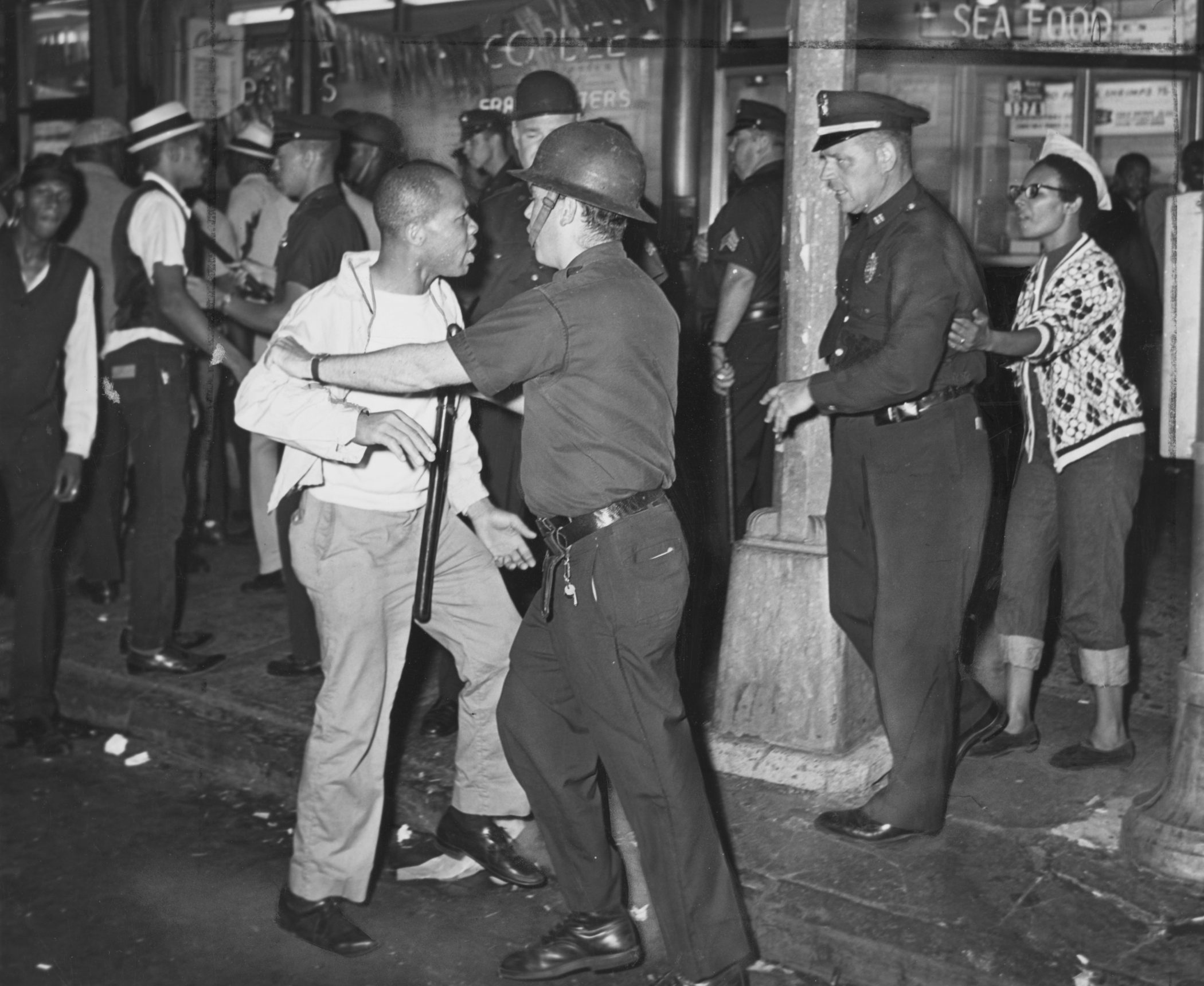
For decades, Black Americans were disproportionately targeted under Cannabis prohibition. Enforcement worked like a racial sorting system. The ACLU found Black people were 3.64 times more likely to be arrested for Cannabis possession than white people, even though usage rates were similar. Those arrests meant criminal records, lost housing, denied loans, broken families, and wiped-out opportunities.
This wasn’t accidental. Drug policy became a political tool. In the early 1970s, President Richard Nixon launched the modern War on Drugs and framed drug use as a national threat. Later, people inside his own administration admitted enforcement was tied to political targeting. Cannabis laws were used to disrupt and control groups Nixon didn’t like — including anti-war activists and Black communities. Criminalizing the plant gave the government expanded power to police, surveil, and destabilize those groups. The plant became leverage.
Over the past 50 years, roughly 30 million Cannabis-related arrests have happened in the United States. Even in 2024, there were nearly 190,000 possession arrests. Legalization has expanded, but the damage didn’t magically disappear. Yes, millions of records have been expunged. But clearing paperwork after decades of exclusion is not the same as repair.
Now look at ownership.
Black Americans make up about 13% of the U.S. population — but only around 1% to 2% of Cannabis business owners. Around 80% of owners are white. The boardrooms look the same. The investors look the same. The ownership structures look the same.
An industry built on a plant that was used to arrest and jail Black communities is now dominated by middle-aged white men who never faced the raids, the court dates, or the long-term fallout of a criminal record.
That’s not random. That’s policy failure.
Legalization promised “social equity.” The idea was simple: give people from communities hit hardest by prohibition a real shot at owning and operating businesses. That meant reduced fees, better application scores, grants, and priority licenses.
In theory, it sounded like fairness.
In practice, it’s often been a mess. Applications are complicated and expensive. You need lawyers. You need compliant property. You need serious capital before you make a dollar. Licenses get delayed. Funding dries up. Some equity licenses end up getting flipped to well-funded operators before the original applicant ever builds anything. What was supposed to create ownership often creates paperwork and frustration instead.
We failed the Black community twice. First through over-policing and incarceration. Then through a system that says “you can participate,” but only if you already have money, connections, and access.
And still — some people broke through.
Guy Rocourt is one of them. He didn’t treat Cannabis like a quick money grab. He brought real operating discipline, brand thinking, and long-term strategy. His success shows what happens when experience and execution meet opportunity. He built credibility the hard way — through strong operations and real positioning, not hype.
Roz McCarthy is another example. As founder of Minorities for Medical Marijuana (M4MM), she didn’t just start a company. She built a support system. She saw early that equity wouldn’t just happen on its own. It needed structure, mentorship, policy pressure, and real support. She created pipelines and access where systems had created barriers.
Their success matters. But a few success stories don’t fix the broader imbalance.
There’s also a business case here. Cannabis consumers are not one demographic. They are Black, Latino, white, Asian. They are women, seniors, veterans, medical patients, working professionals. Better representation in the boardroom leads to better products, better branding, and better decisions. Diverse leadership teams tend to outperform because they understand more of the market. Not only middle-aged white men use Cannabis. The companies that understand that will build stronger brands.

The industry talks a lot about innovation. Real innovation would mean automatic expungement everywhere. Real access to capital before businesses launch. Clear rules that prevent predatory buyouts. Technical support built into licensing from the beginning. Public reporting on ownership so everyone can see whether progress is real.
Legalization shouldn’t just shift opportunity upward to people who were never harmed. It should shift opportunity toward the communities that paid the highest price.
Black Americans were treated as the face of prohibition. They shouldn’t be spectators in legalization.
The industry has made billions. The question is whether it’s willing to share power and ownership, not just revenue.

So what actually needs to happen?
First, social equity has to mean ownership that lasts — not temporary paper arrangements. States can require verified majority ownership and operational control for a set number of years. Second, Cannabis tax revenue should fund real low-interest loan programs that provide capital before licenses go live, not after businesses collapse. Third, application processes need to be simplified and supported with free legal and compliance help so equity applicants aren’t forced to compete against institutional money alone. And finally, ownership demographics should be publicly reported every year so the industry can’t hide behind marketing language.
Social equity was supposed to turn past harm into present opportunity. If it’s going to work, it has to move from promises to power — and from slogans to ownership.
Copyright 2026 © Highly Capitalized Network. All Rights Reserved. Author: Mark Collins, President- HCN.
About the Author: HCN News Team

Related Posts