OPINION: MJBizCon25 Review: The Race To Be Second
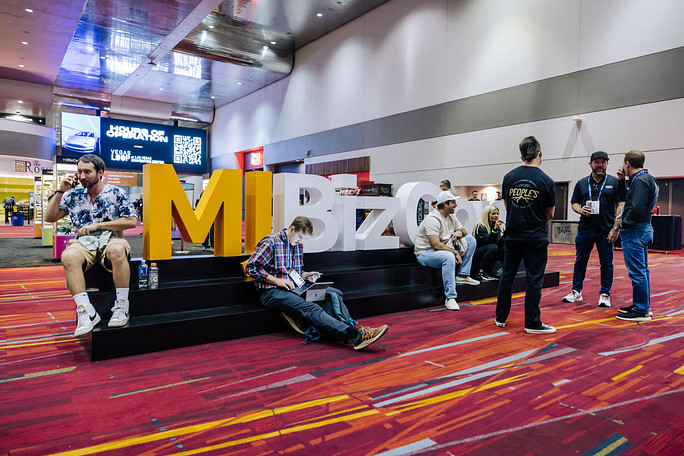






LAS VEGAS- Gosh… the MJBizCon I attended was awesome — genuinely one of the best and most productive ones I’ve ever been to — which is why I was so surprised to see how much negative commentary appeared afterward.
Because the MJBizCon I experienced was vibrant, busy, and full of serious people doing serious business — while the MJBizCon being described online sounds flat, badly attended, and disappointing.
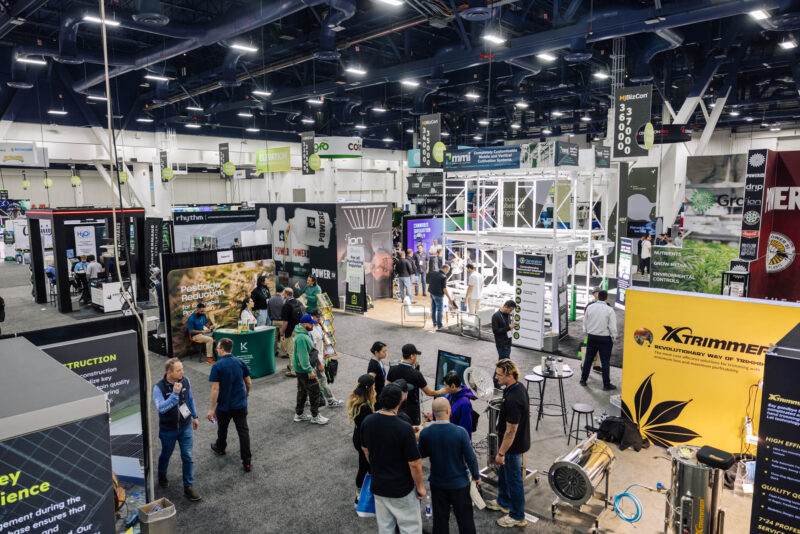
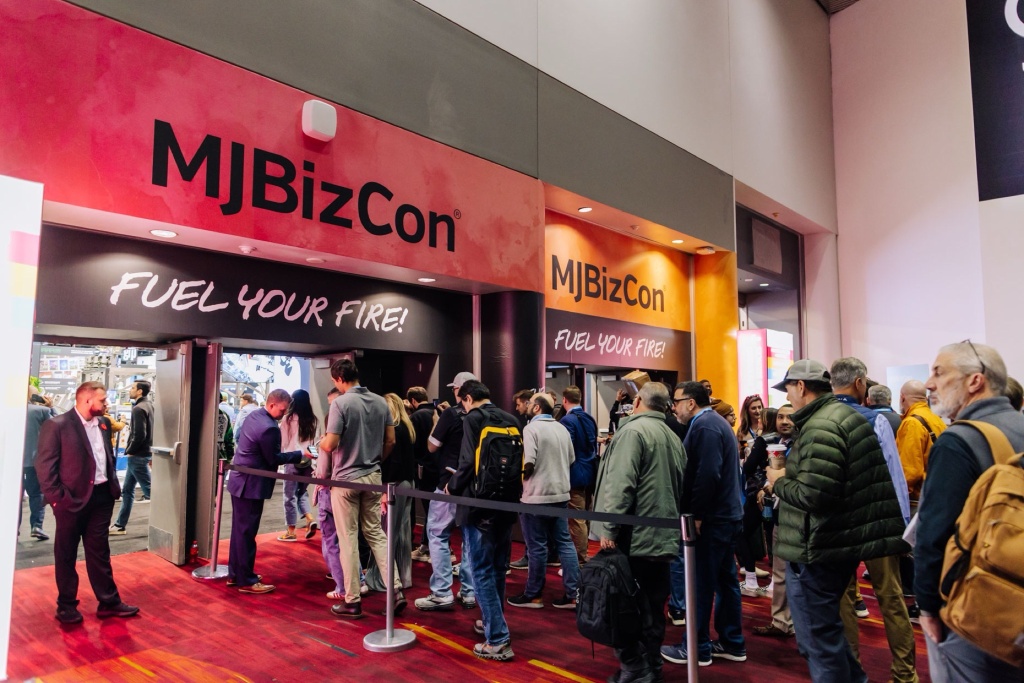
The one I attended had thousands of people from across the global Cannabis industry — operators, brands, investors, and service providers from every part of the world — whereas the version being criticized sounds like no one showed up.
The MJBizCon I experienced was energetic from morning to evening — while the “bad” one people describe appears oddly empty and disengaged.
Some are pointing fingers at the organizers — but the slightly smaller size of the MJBizCon I attended had nothing to do with execution and everything to do with where the Cannabis industry sits today, still operating without an end to federal prohibition.
The online narrative talks about decline — yet the MJBizCon I attended remains one of the only events where the entire Cannabis ecosystem reliably comes together: internationally, across all license types, and across all service categories.
People online say opportunity was missing — while at HCN we achieved every single objective we set going into the event.
Our clients were not hovering on the sidelines. They were right at the center of the action throughout the conference.
While some attendees say “nothing was happening,” our schedule was packed with interviews, meetings, introductions, and follow-ups — the kind that continue long after the booths are packed away.
From Advanced Nutrients to Headquarters, HCN clients performed phenomenally. They were visible, in demand, and consistently involved in the most relevant conversations happening on the floor. If even half of those conversations convert, 2026 will be an exceptional year for us.
MJBizCon 2025 Review
MJBizCon 2025 felt like a reset year — smaller than peak-cycle editions, but far more focused. Attendance was clearly lighter than the frothy years, yet the quality of participants was noticeably higher. Decision-makers, operators, and service providers who are still actively building businesses showed up, and the overall signal-to-noise ratio improved as a result.
The mix of attendees was one of the event’s real strengths. International participation remained strong, and all license types and services were well represented. This wasn’t a show dominated by one segment or trend; it reflected the full Cannabis ecosystem as it exists today. Conversations were grounded, practical, and candid — less about aspiration, more about execution under current regulatory and capital constraints.
From an organizational perspective, Emerald delivered a well-run and inclusive event that accurately reflected the state of the industry. The effort to include diverse voices, geographies, and operating models was visible throughout. MJBizCon 2025 didn’t feel like an industry retreating — it felt like an industry recalibrating.
The criticism framing this as a weak MJBizCon misses a bigger point: Cannabis is an emerging market, and emerging markets are cyclical.
We are clearly in a down cycle.
That does not mean the industry is broken. It means capital is constrained, speculation has faded, and only serious operators are still showing up in force. Historically, this is when the strongest foundations get built.
Every emerging market goes through this phase. The excitement cools, the excess drains away, and a quieter, more disciplined group gets to work.
What some critics seem to assume is that pioneers should automatically be the long-term winners.
History says otherwise.
Look at the dot-com era. AOL, Netscape, Napster, MySpace — all early pioneers, all ultimately overtaken. Being first often means being burdened with legacy decisions, debt, and structures designed for a market phase that no longer exists.
Cannabis is following the same pattern.
First-wave companies like Tilray and Canopy Growth played a critical role in opening the market and legitimizing the industry, but many are now weighed down by debt and strategies built for a very different moment. They are not proof the industry failed — they are proof that first-mover advantage rarely equals long-term dominance.
This is where the real opportunity begins.
Many of the most important Cannabis brands in the world likely haven’t even been invented yet. They will be built by teams who learned from the mistakes of the first wave, who understand the regulatory landscape better, and who enter the market with discipline instead of hype.
This is the race to be second.
Being first gets headlines. Being second gets clarity.
Second movers inherit lessons, not illusions. They build with hindsight. They enter when the contours of the market are clear and real value creation replaces speculation.
That’s exactly what MJBizCon reflected this year.
Smaller didn’t mean weaker. It meant sharper.
Less noise. Fewer tourists. More decision-makers. Better conversations.
At the MJBizCon I attended, Emerald did an excellent job. Their intent was obvious. They worked hard to be inclusive — internationally, across license types and service providers — and it showed in the makeup of the room.
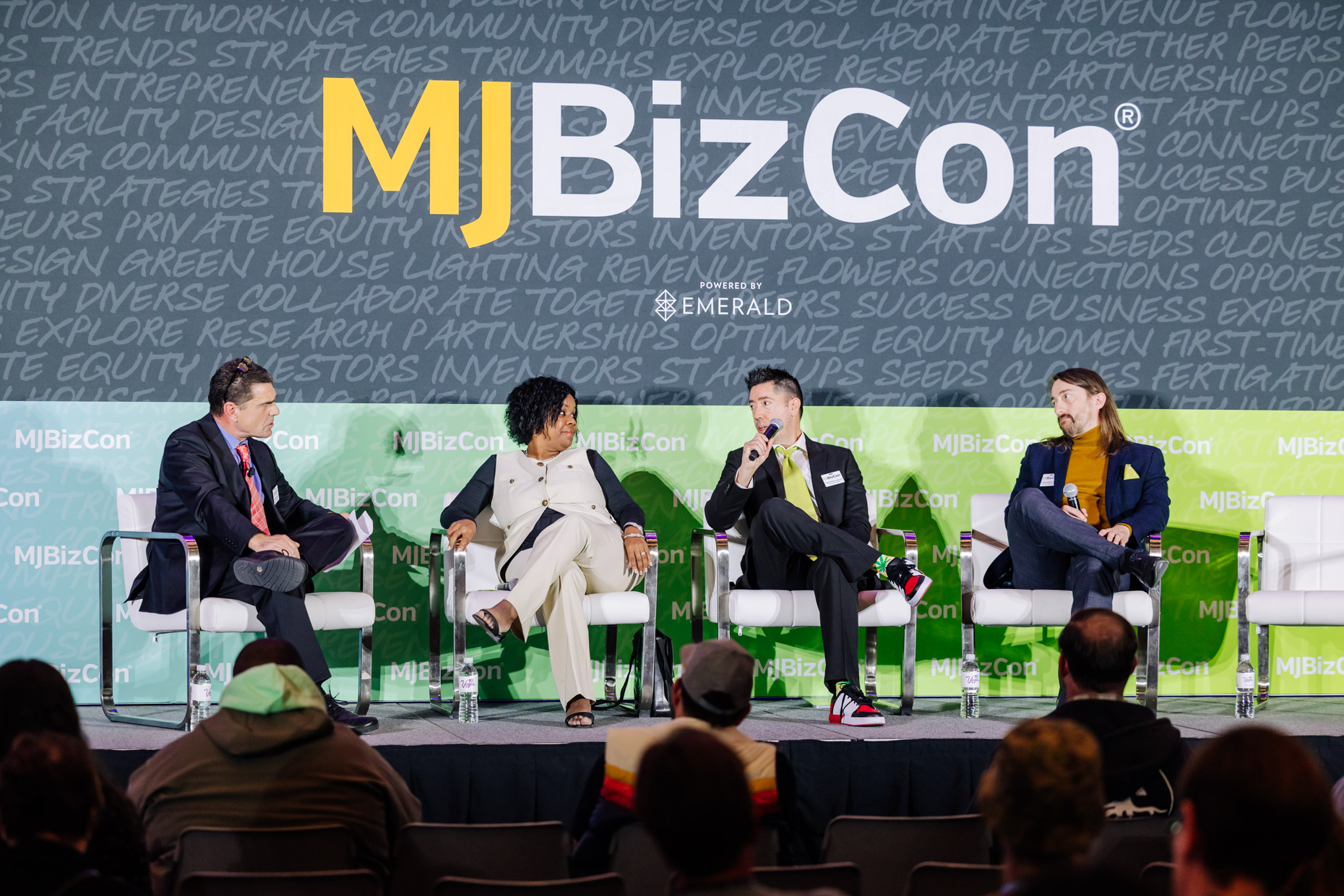
The version being criticized online doesn’t align with what I experienced. The MJBizCon I attended felt focused, mature, and honest about where the industry really is.
MJBizCon has always been a mirror. In boom years, it reflects exuberance. In down cycles, it reflects discipline.
This year, it reflected an industry growing up.
For HCN, it validated our approach: put clients into the flow of real conversations, not just visibility; prioritize substance over spectacle; measure success by outcomes, not foot traffic.
For those building through the cycle, this MJBizCon wasn’t disappointing.
It was encouraging.
The future of Cannabis won’t belong to those chasing yesterday’s highs. It will belong to those who understand cycles, learn from pioneers, and build for what comes next.
The race isn’t to be first anymore.
It’s the race to be second — and to do it professionally.
Author: Mark Collins
About the Author: HCN News Team

Related Posts